Uncategorized
Caribbean Leaders Divided as U.S. Expands Military Presence in Caribbean

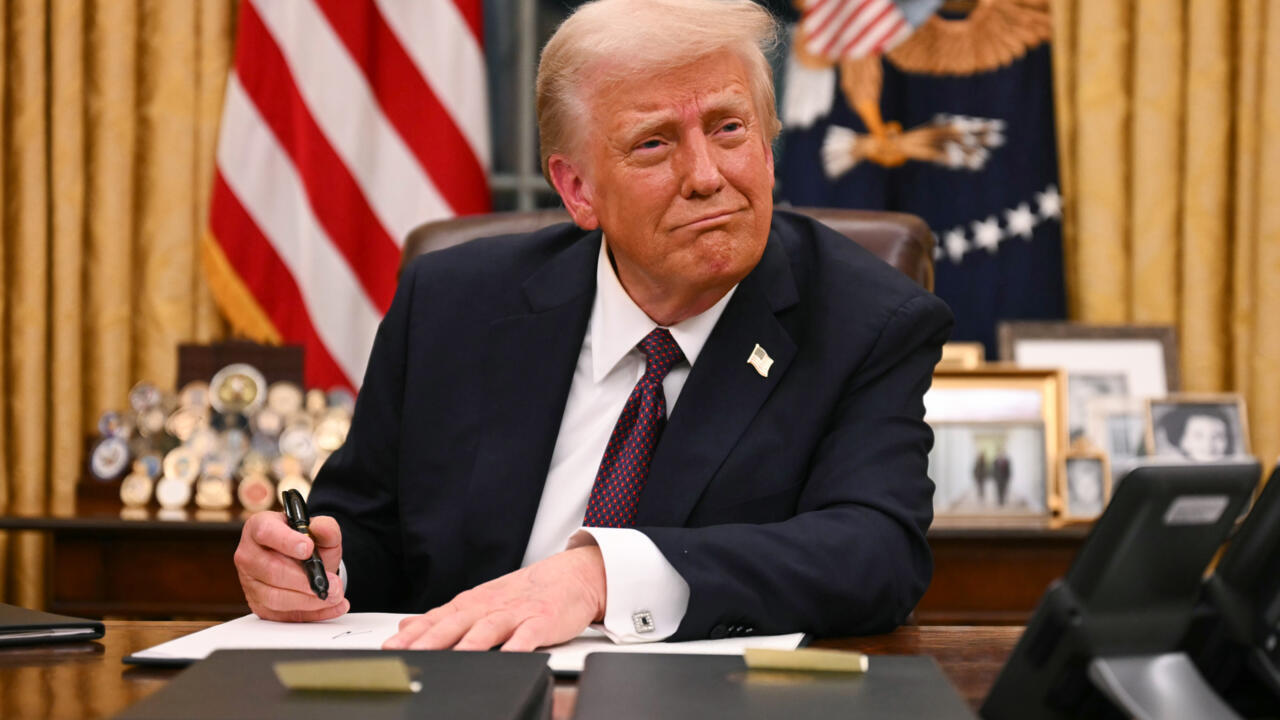
President Donald Trump has ordered the deployment of U.S. naval and military assets to the Caribbean to intensify operations against drug-trafficking networks, prompting a range of reactions from Caribbean and Latin American leaders.
The deployment, which includes the aircraft carrier USS Gerald R. Ford and accompanying warships and aircraft, has been described by the Pentagon as an effort to “detect, monitor and disrupt illicit actors and activities” in the region.
In Caracas, President Nicolás Maduro condemned the move as “an act of aggression” and placed Venezuela’s armed forces on high alert. In Port-of-Spain, Trinidad and Tobago Prime Minister Kamla Persad-Bissessar expressed support for U.S. operations, calling the recent strike on a suspected drug vessel “necessary to secure regional waters.”
In contrast, several Caribbean governments have voiced concern about the scale and implications of the military build-up. Barbados Foreign Minister Kerrie Symmonds said the U.S. presence “must be carefully managed,” while Antigua and Barbuda Prime Minister Gaston Browne ruled out hosting any foreign military bases and called for regional consultations before any action affecting Caribbean security. Browne said counter-narcotics operations should proceed “under international law and in coordination with regional partners,” echoing CARICOM’s long-standing commitment to maintaining the Caribbean as a “zone of peace.”
The U.S. campaign began in August 2025 with naval deployments to the southern Caribbean and has since expanded to include air and maritime strikes on vessels suspected of smuggling narcotics from Venezuelan waters. According to U.S. officials, the operations are part of a broader “non-international armed conflict” against criminal networks labeled as “narco-terrorists.” The United States has acknowledged at least ten strikes since early September, resulting in dozens of deaths.
Legal analysts have warned that framing drug interdiction as a military conflict raises questions about sovereignty and the applicability of international law. Former Jamaica Prime Minister P. J. Patterson said the campaign “sets a dangerous precedent” and risks drawing the region into unnecessary confrontation.
CARICOM’s foreign ministers, led by Dr. Denzil Douglas of St. Kitts and Nevis, have formally requested dialogue with Washington and urged transparency about military movements in regional waters. Several governments, including Saint Lucia and Guyana, have said they are monitoring the situation closely but will align their positions with CARICOM’s collective approach.
The growing U.S. presence has also prompted concerns about maritime safety and diplomatic stability. Venezuela has increased troop deployments along its coast and borders, while neighboring states prepare for possible spillover effects.
The Pentagon has not specified how long the strike group will remain in the region. Caribbean governments continue to call for consultation, transparency, and adherence to international norms as the situation develops.





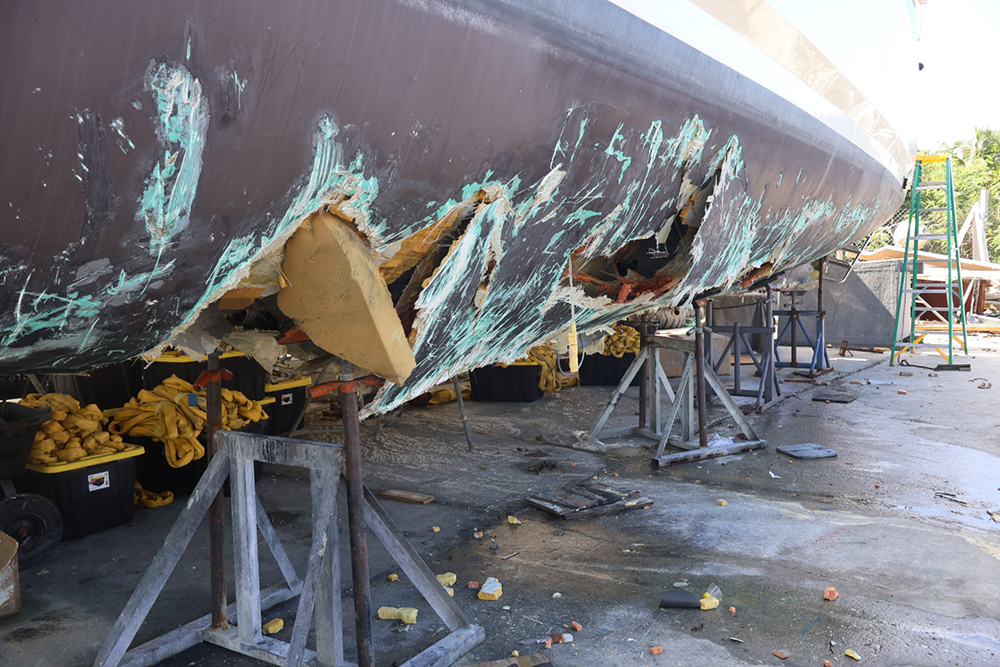
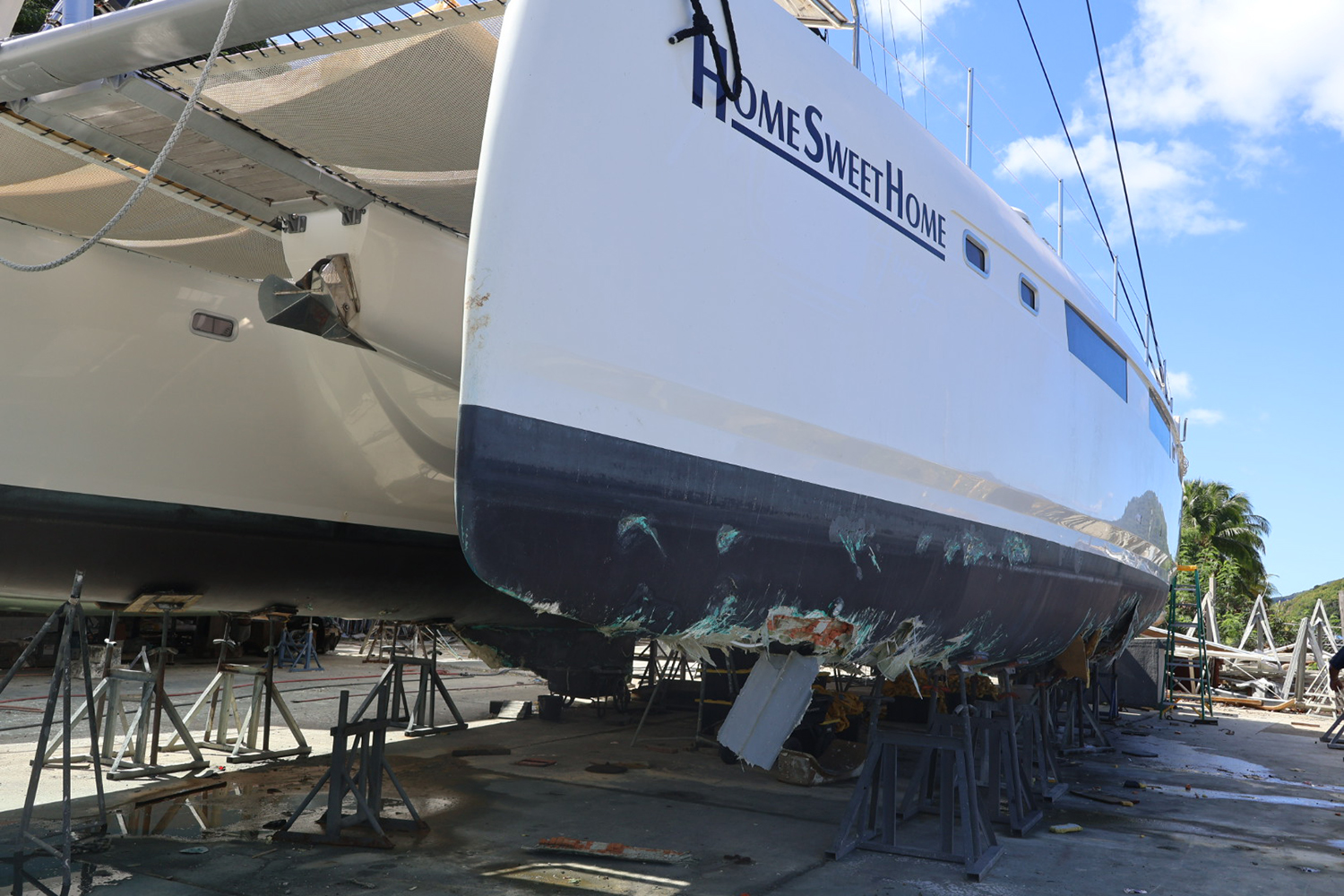
The Marine Safety Investigation and Reporting Authority has recorded 10 vessel-grounding incidents between February and December this year, including four between October and December, prompting Chief Marine Accident Investigator in the Premier’s Office, Jerome Padmore, to call on vessel owners and operators to heighten vigilance while navigating Virgin Islands waters.
“This is a significant number and it is concerning, especially given that the marine tourism season is just beginning,” Mr. Padmore said. “It highlights the urgent need to reinforce strict situational and navigational awareness when operating in local waters.”
He said the incidents primarily involved bareboat charter catamarans and occurred under varying conditions, but all shared common contributing factors: reduced situational awareness, inadequate passage planning, and over-reliance on electronic navigation systems.
Mr. Padmore said most groundings are preventable and typically result from human error rather than mechanical failure. Common causes include lapses in concentration, misinterpretation of navigation tools, incorrect assessments of shallow areas, and excessive dependence on electronic charts.
“In regions like the Virgin Islands, operators must remain vigilant due to the complex geography, which includes numerous islands, cays, reefs, shoals, and submerged rock formations,” he said. “These elements can change with tides and weather, making attention to detail essential.”
He also warned that groundings pose serious environmental risks, including damage to coral reefs, seagrass beds, and marine habitats. Even one incident, he said, can cause long-term ecosystem harm and require costly restoration efforts.
The MSIRA is urging all vessel operators—including charter crews, private owners, commercial operators, and bareboat charterers—to reaffirm their commitment to safe navigation. Recommendations include reviewing bareboat charter qualification criteria, ensuring proper briefings, consulting cruising guides and local charts before departure, following designated channels, monitoring water depth, observing navigational buoys, and reporting hazards.
All marine accidents, including groundings, must be reported to the MSIRA within 24 hours, as required under the Virgin Islands Merchant Shipping (Accident Investigation and Reporting) Regulations 2020.
Uncategorized
National Parks Trust Marks Arbour Day With Native Tree Planting at The Baths and Spring Bay
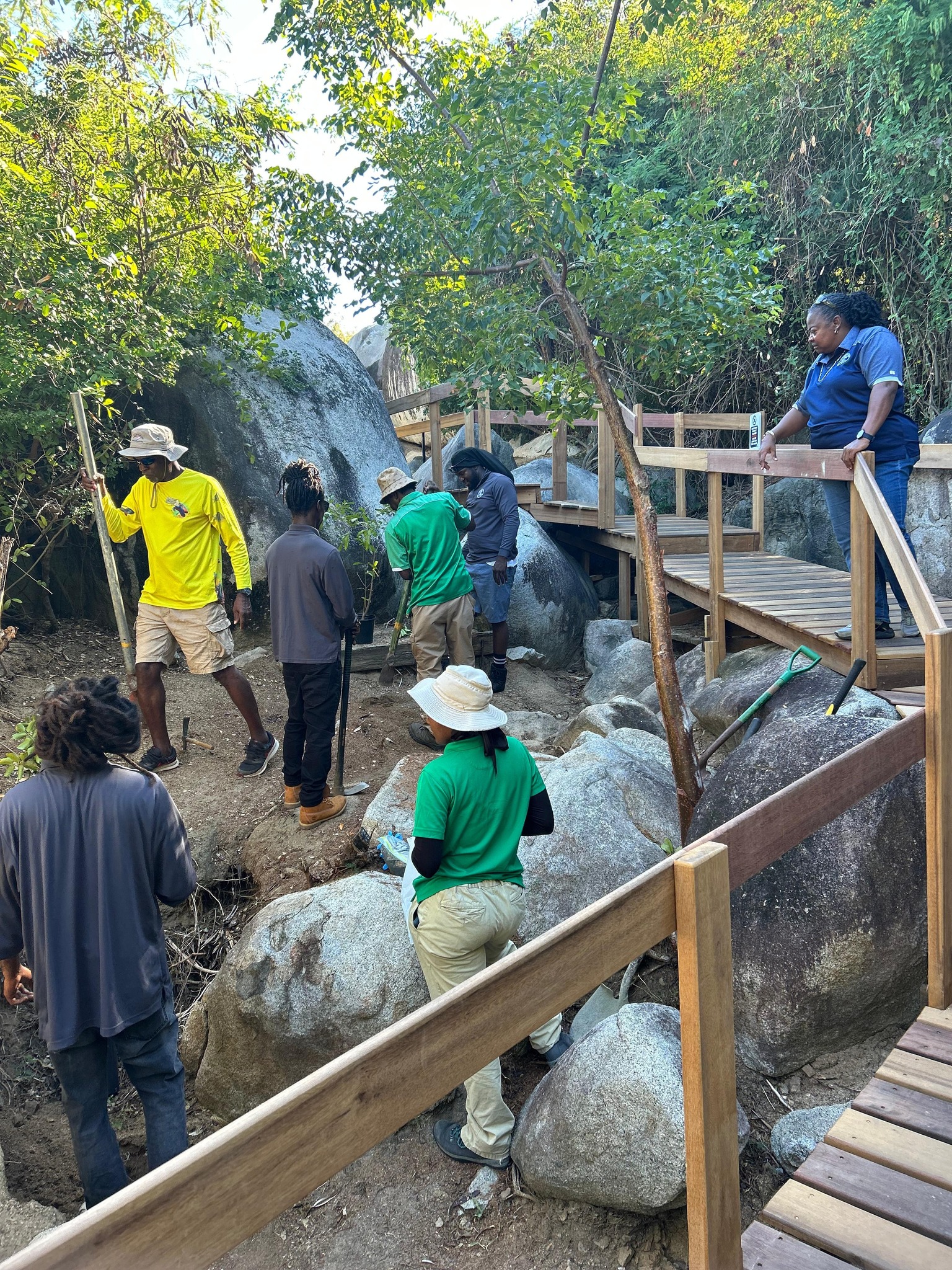
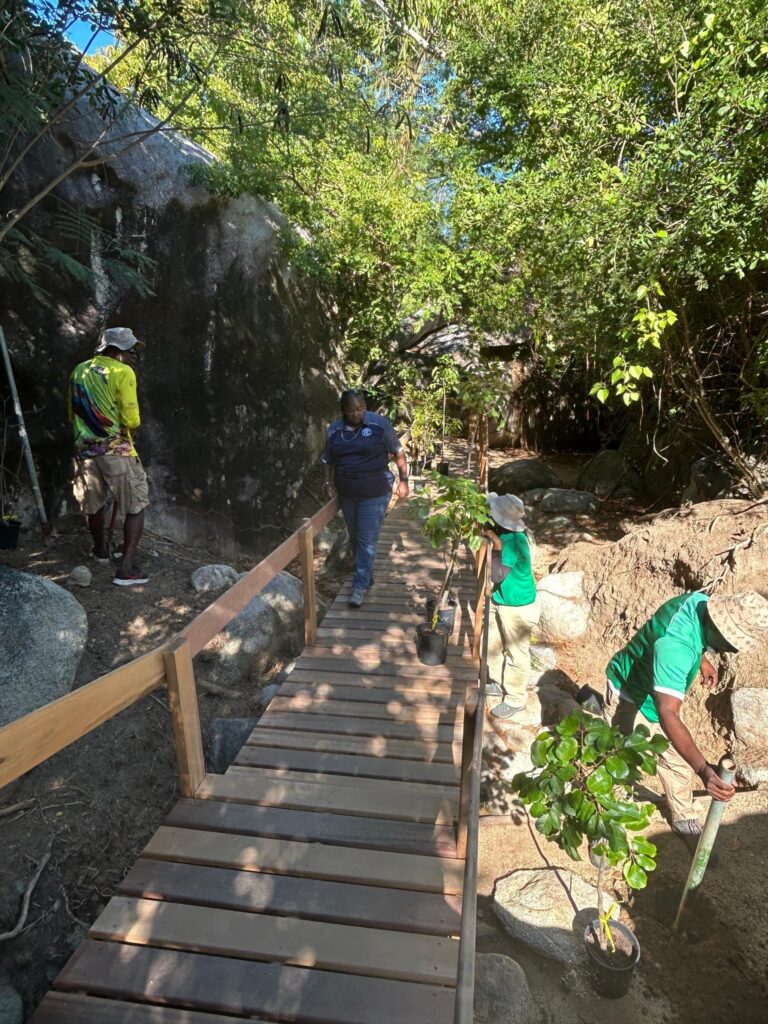
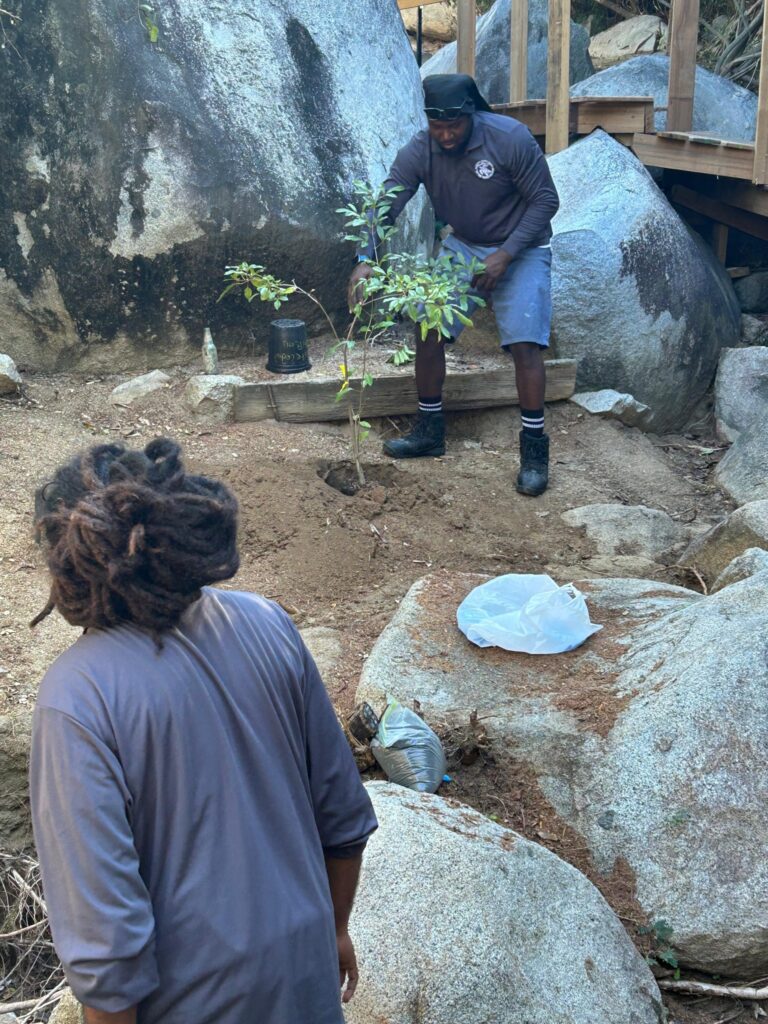
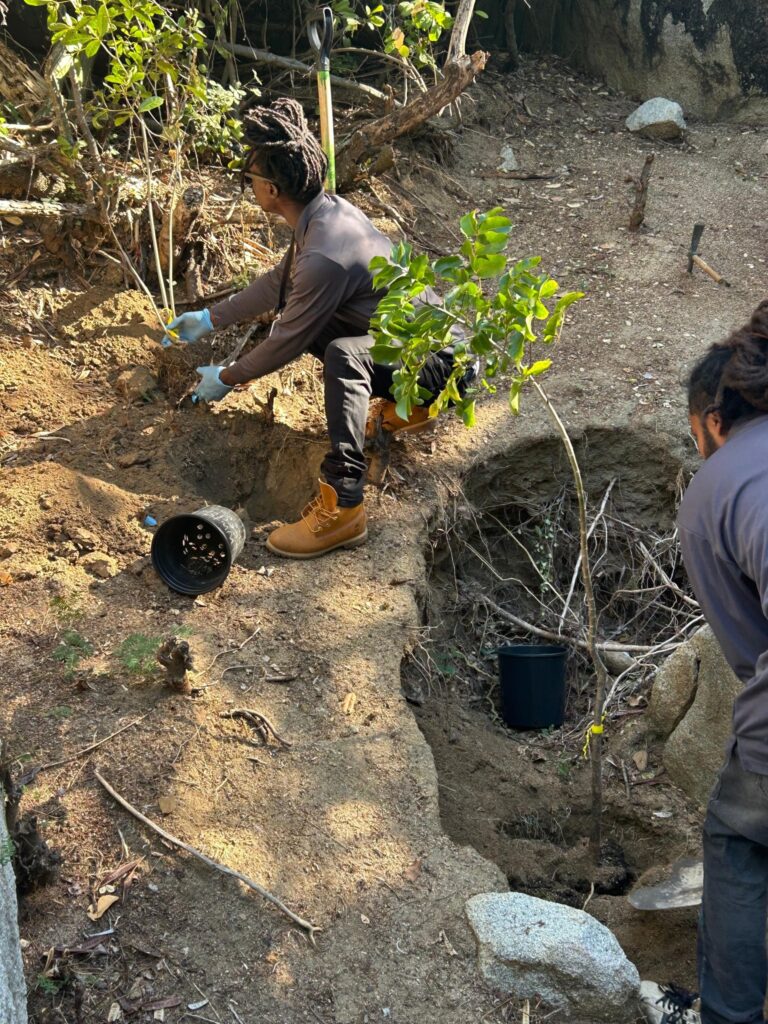
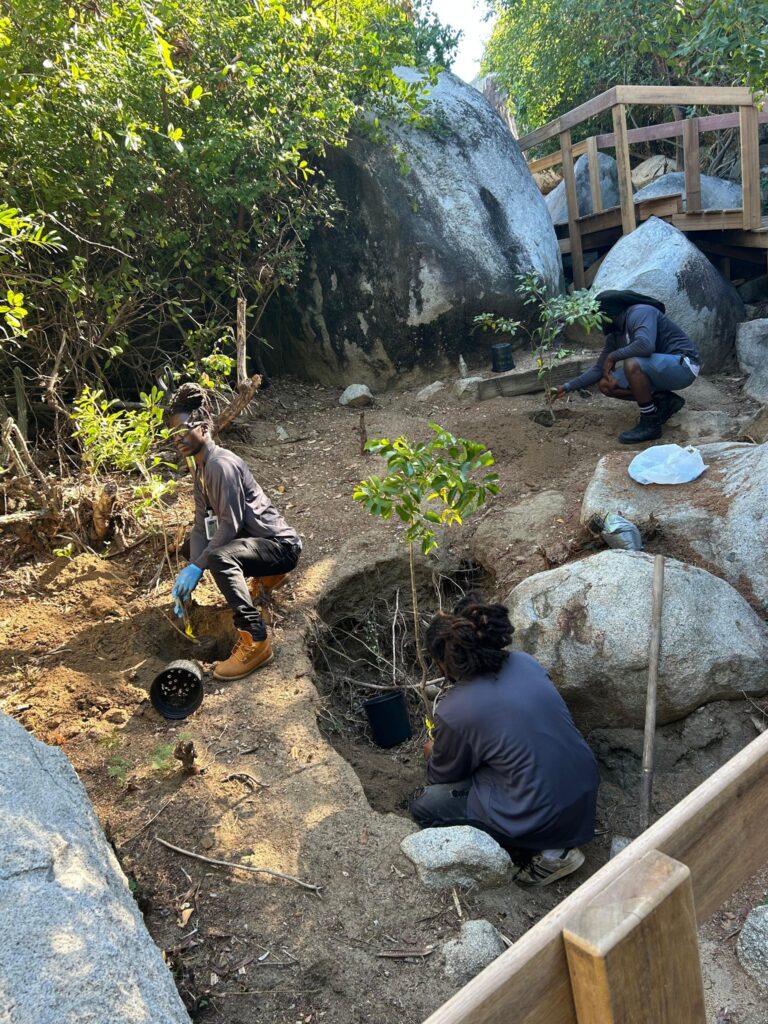
The National Parks Trust of the Virgin Islands observed Arbour Day 2025 on Nov. 21 with native tree plantings at The Baths National Park and Spring Bay National Park, part of an ongoing effort to restore natural vegetation and strengthen coastal ecosystems.
In a statement posted on its official Facebook page, the Trust said the plantings support the replacement of invasive species and the long-term health of two of the Territory’s most visited natural sites. Officials said the initiative aligns with broader conservation priorities across the national park system.
“Arbour Day is an opportunity to give back to the land that sustains us,” the Trust said. “These plantings contribute to the resilience of our coastal landscapes and help ensure these sites remain healthy for generations to come.”
Alongside the plantings, the Trust’s annual Arbour Day Plant Sale is being held at the Joseph Reynold O’Neal Botanic Gardens from Nov. 17 through Nov. 28. The sale features a variety of fruit trees, including Suriname cherry, lemon, sugar apple, sugarcane fruit, and starfruit, as well as other native species. The Trust also made available the Ylang Ylang tree, known for its fragrant yellow blossoms used in perfumery.
Residents were encouraged to take part in Arbour Day by planting trees in their communities or visiting the Botanic Gardens to purchase native species. The Trust noted that public participation plays a vital role in advancing environmental stewardship across the Territory.
Arbour Day observances highlight reforestation, biodiversity, and the importance of native vegetation — key components in safeguarding the ecological integrity of the Virgin Islands.
Uncategorized
Government Retracts Bulletin on Indefinite Work Permit Exemptions Amid Public Confusion
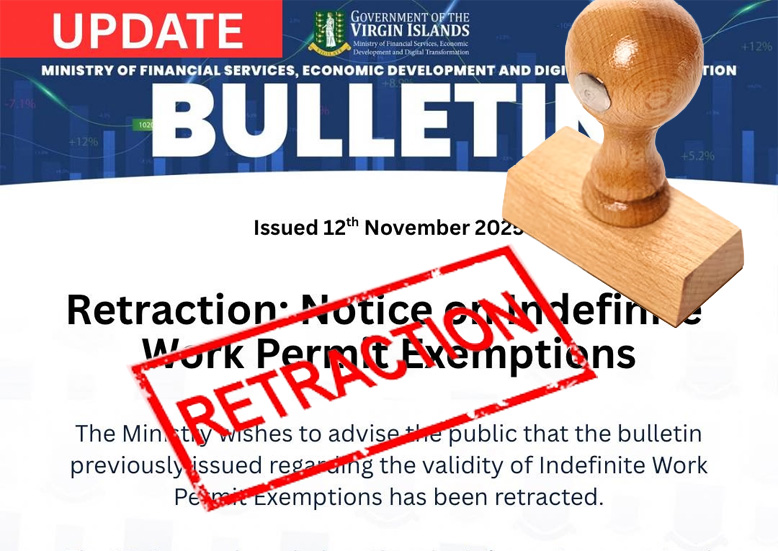
The Ministry of Labour and Workforce Development of the Government of the Virgin Islands has officially retracted a bulletin issued yesterday November 11, regarding the status of Indefinite Work Permit Exemptions.
Individuals previously granted indefinite exemptions under the categories of Marriage or Minister’s Discretion were instructed to submit renewal applications, while those under the Education category must now apply for a standard work permit. The Ministry emphasized that work permit exemptions are a privilege, not a status, and encouraged eligible residents to apply for residence status instead.

Governor’s Office Delivers Trauma Risk Management Training to Frontline Officers in Virgin Islands

Maya Marcellin Departs for Teen Universe International Pageant in Nicaragua

Andrea Wilson brings Caribbean colour to the NYFW debut