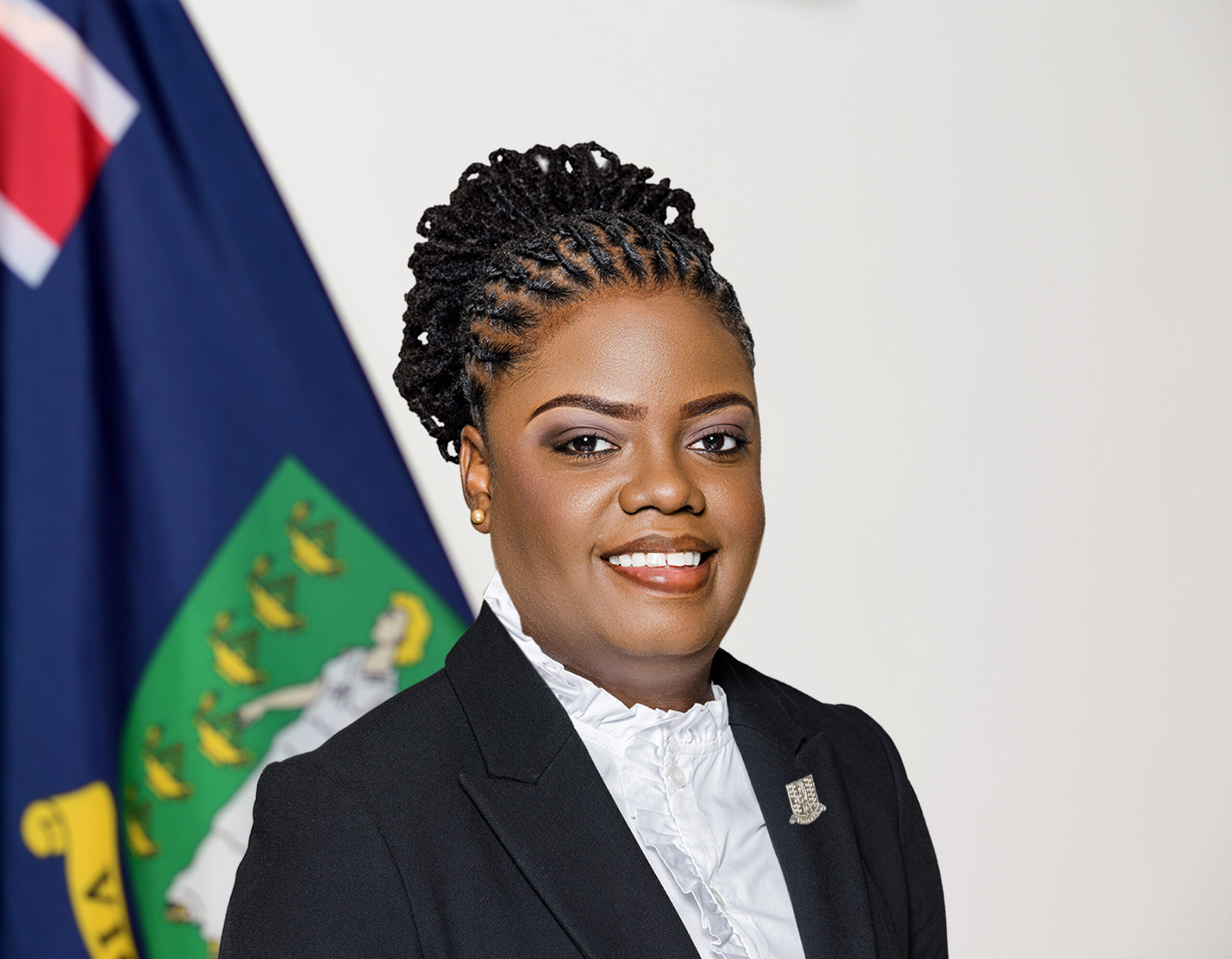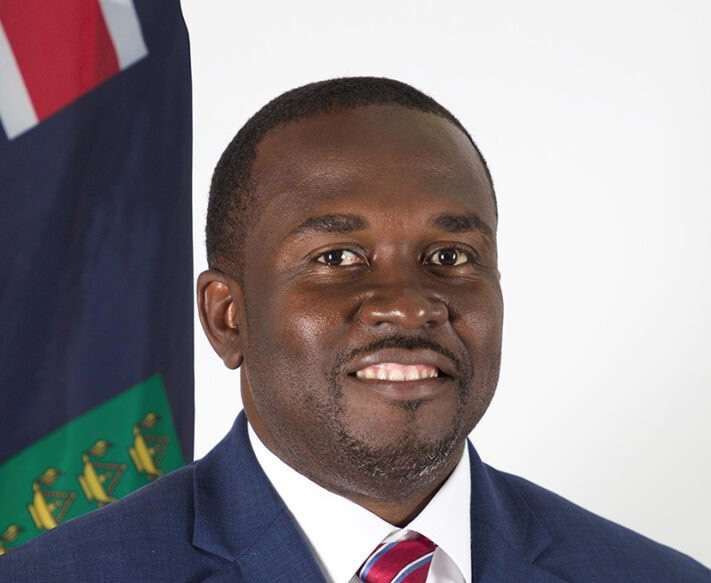
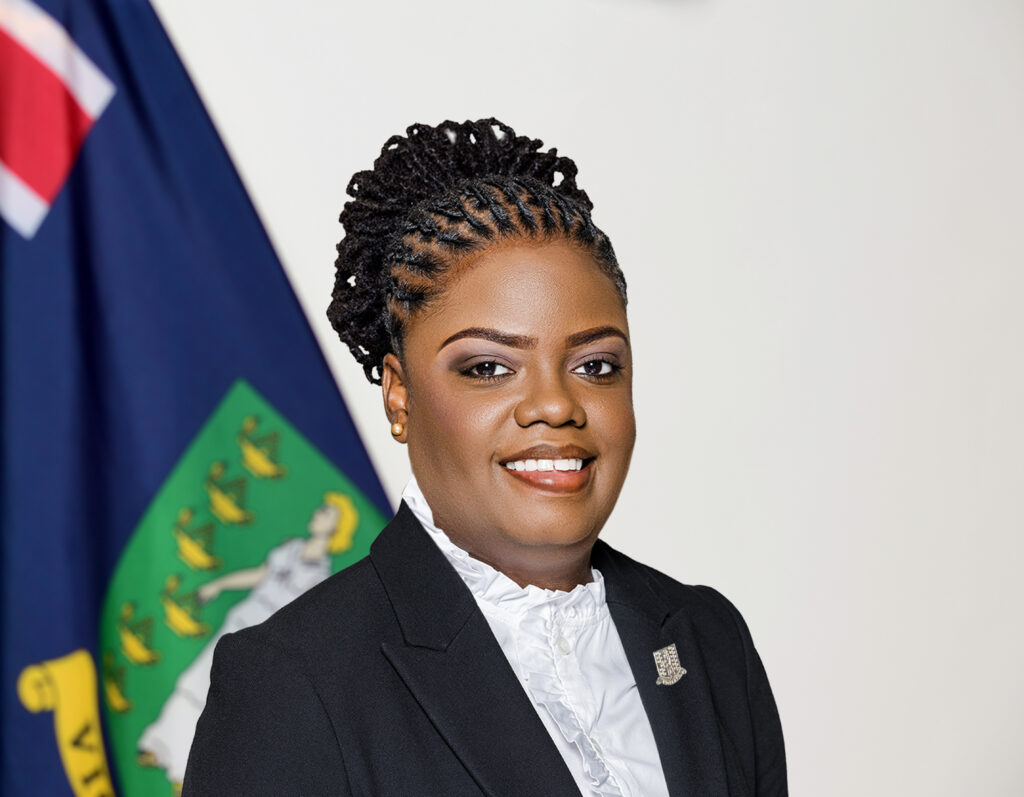
In just the first two months of 2025, more than 85 suspensions were recorded across the Virgin Islands’ four public secondary schools—a staggering figure that education officials say highlights a worsening crisis of student behaviour. The suspensions, Minister for Education, Youth Affairs and Sports Honourable Sharie B. de Castro revealed, stemmed primarily from drug-related offences, violent altercations, and sexually inappropriate behaviour—some involving students as young as twelve years old.
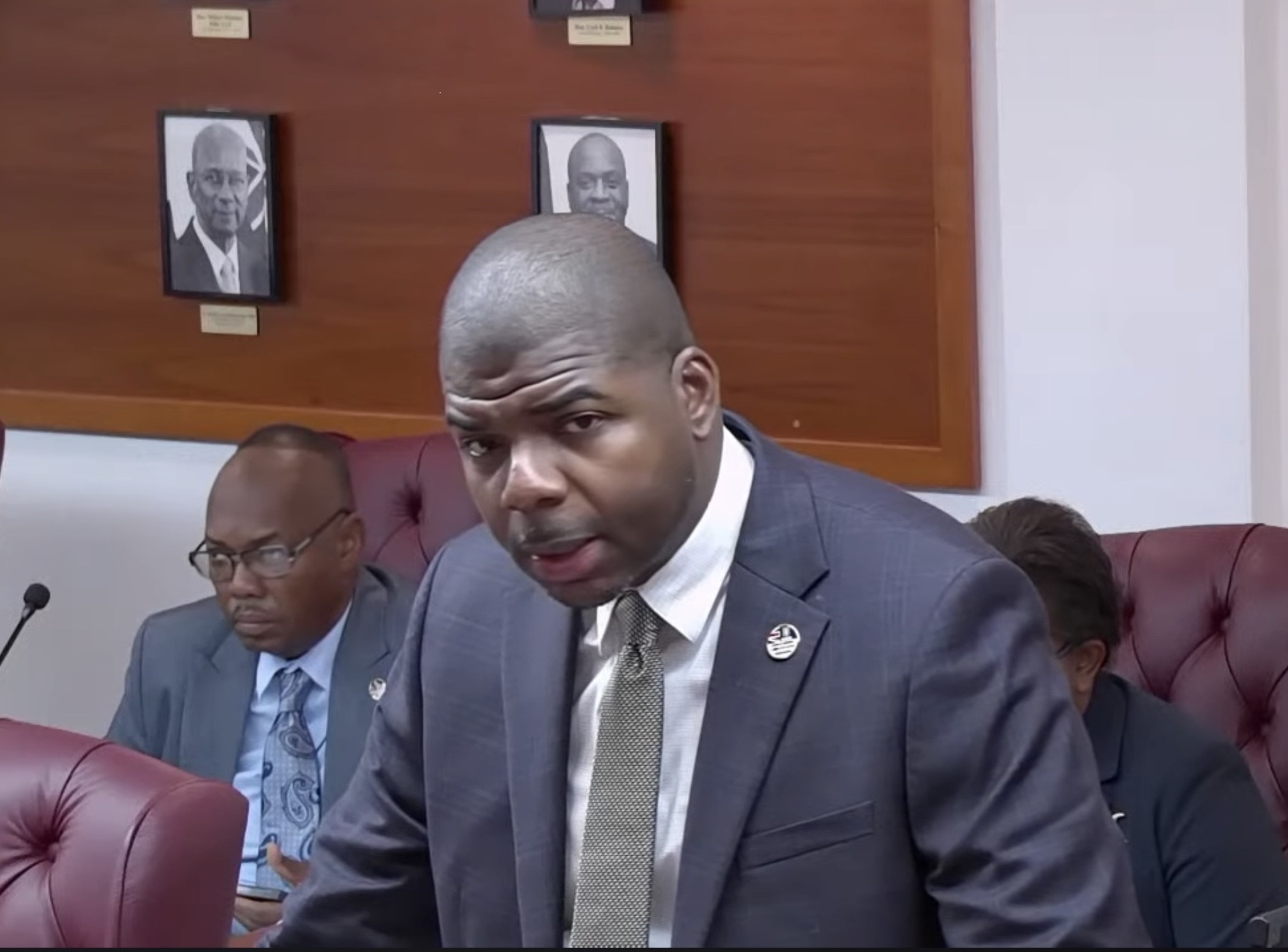
“These are not isolated events,” de Castro told the House of Assembly on Tuesday. “They are evidence of a deeper, systemic challenge that no school system can address in isolation.”
The troubling data was presented to the National Security Council in February, she said. That presentation set off a wider government response, including a joint meeting with the Ministry of Health and senior officials from the Royal Virgin Islands Police Force, culminating in the creation of two national response mechanisms: a Steering Group on Student Wellbeing and a multi-agency Task Force on Student Support and Intervention. Both bodies have since been established, with the Steering Group scheduled to meet for the first time this week.
“We are acting with urgency, purpose, and a deep commitment to safeguarding the well-being and potential of every child in this Territory,” the Minister stated. “What we are facing is not just an education issue—it is a community issue, a social issue, and in many cases, a public health issue.”
To support the new response mechanisms, the Ministry has developed a comprehensive Framework for Student Support and Wellbeing, which outlines a multipronged strategy aimed at tackling the root causes of misconduct. The plan includes increased access to school-based counselling, the integration of social-emotional learning into classrooms, training for teachers in restorative justice and child safeguarding, and the expansion of alternative education options for students at risk of exclusion.
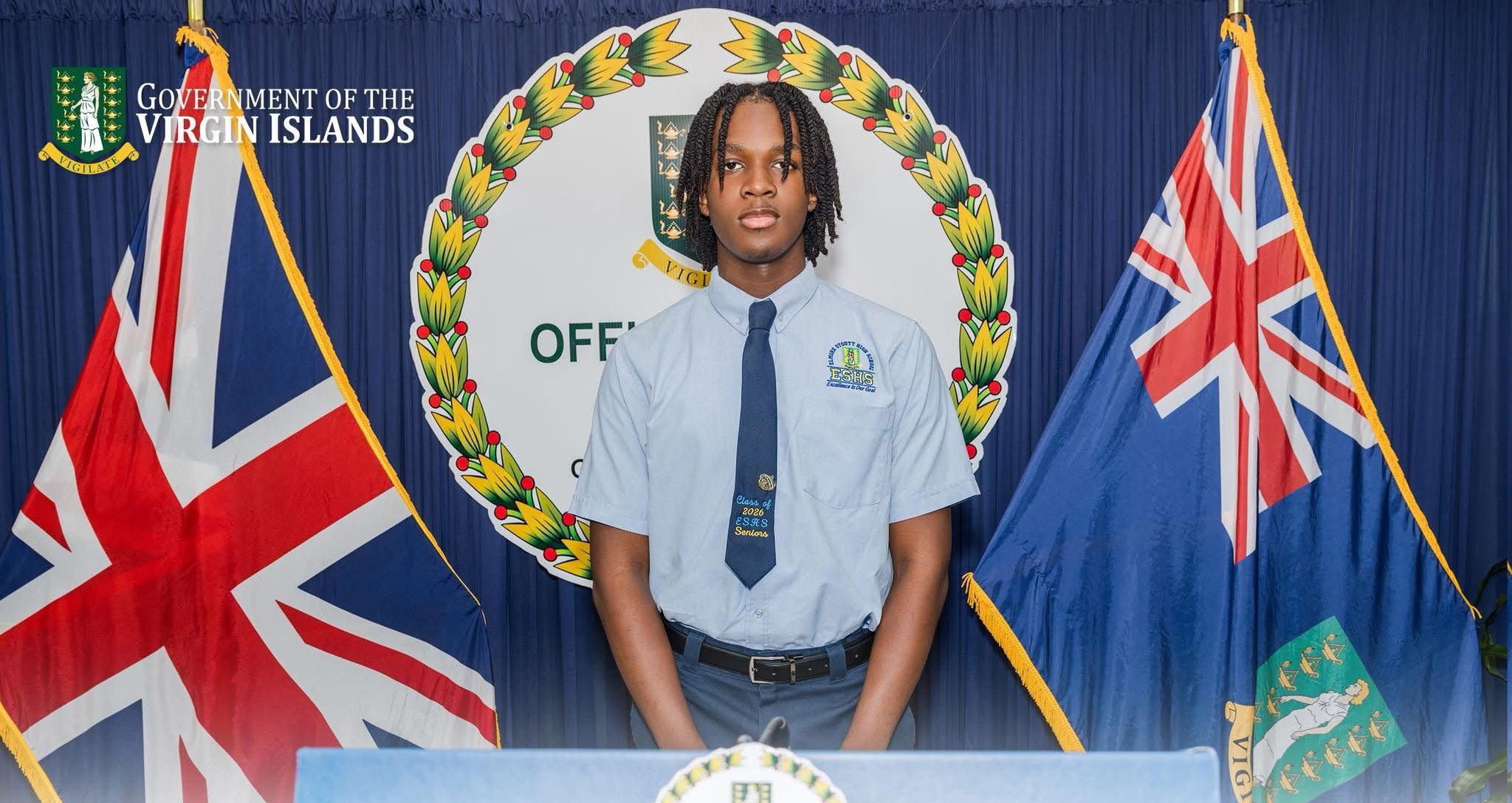
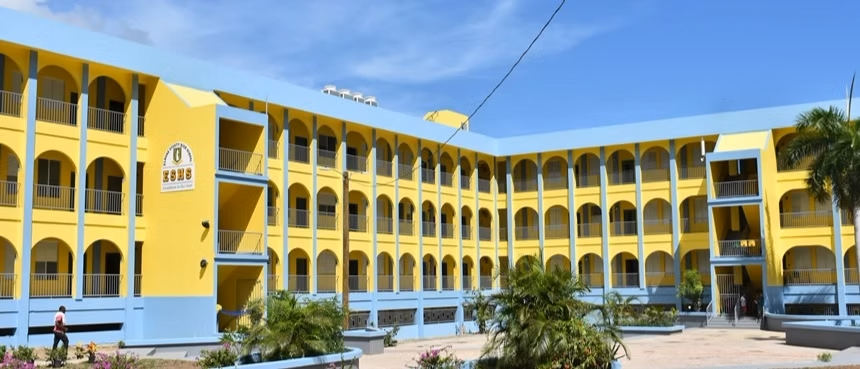
Schools have already begun implementing localised responses. At Bregado Flax Educational Centre – Secondary Division on Virgin Gorda, a Student Behaviour Committee has been formed to develop targeted interventions. Meanwhile, Elmore Stoutt High School has launched the BEAM Programme (Beatitudes, Empowerment, and Mentorship), a new initiative focused on supporting students with serious behavioural and emotional challenges. The programme held its first meetings in May, drawing strong support from law enforcement, mental health professionals, and community members.
“Our schools are not standing still,” said de Castro. “They are adapting, innovating, and showing a remarkable commitment to student wellbeing.”
The Territory is also looking beyond its borders for solutions. Earlier this year, officials travelled to the UK, supported by the BVI London Office, the UK Department of Education, and the Foreign, Commonwealth and Development Office. There, they engaged with the Violence Reduction Unit and visited several intervention models firsthand, including the SAFE Barbershop Programme, which offers culturally responsive mentorship for young Black males.
“These are not aspirational concepts,” the Minister told legislators. “These are actionable models that the Virgin Islands is now working to adapt and apply in our own schools and communities.”
De Castro emphasised that the Ministry cannot act alone. She issued a public call for churches, youth groups, and private citizens to step forward as community mentors and volunteer youth workers.
“We need your presence, your experience, and your voice,” she said. “Whether you are a retired educator, a faith leader, or simply a citizen who wants to help, this is your moment.”
These volunteers, she added, will receive training and work alongside educators and mental health professionals to offer mentorship, counselling, and support to at-risk students.
The Ministry also has plans to propose legislative and budgetary changes in the coming weeks, with a long-term vision of creating a dedicated student support facility where vulnerable youth can receive academic help, therapy, and life-skills training outside of traditional classrooms.
“Our goal is to build a system that does not just react to misbehaviour, but anticipates and prevents it,” de Castro said. “One that does not stigmatise, but supports. One that does not cast out, but lifts up.”
She closed with a direct message to the community: “We will not allow any child to slip through the cracks because we failed to act—or worse, because we failed to care. Together, with our schools, our communities, our churches, and this Government—we will rise to meet this moment.”

The Ministry of Education, Youth Affairs and Sports is observing Technical and Vocational Education and Training (TVET) Week 2026 under the theme, “TVET: The Future of the VI — Together We Learn! Together We Earn!,” with Education Minister Sharie B. de Castro describing skills-based education as central to the British Virgin Islands’ economic development and workforce readiness.
The weeklong observance is intended to highlight the role of technical and vocational education in preparing students with practical skills and industry-recognized certifications in fields such as sustainable energy, cosmetology, marine technology and culinary arts.
In a statement marking the occasion, Honourable Sharie B. de Castro, Minister for Education, Youth Affairs and Sports, said TVET should be viewed as a primary pathway to success rather than an alternative to traditional academic programs.
“Technical and Vocational Education and Training is not a Plan B,” de Castro said. “It is our Plan A for a resilient, self-sufficient Virgin Islands.”
She said the territory is strengthening partnerships between schools and employers to better align classroom instruction with labor market needs.
“When we say ‘Together We Learn,’ we are talking about a new era of partnership,” de Castro said. “We are bridging the gap between the classroom and the job site.”
The minister said investment in TVET is also intended to expand economic opportunities by equipping students to enter the workforce or start their own businesses.
“By investing in TVET, we are creating a workforce that doesn’t just look for jobs, but creates them,” she said.
De Castro encouraged students to take advantage of the opportunities offered through technical and vocational programs.
“You are the architects of our future,” she said. “Your hands and your minds will build the infrastructure and industries of tomorrow.”
TVET Week 2026 includes activities aimed at promoting technical and vocational education as a key component of the territory’s long-term development strategy
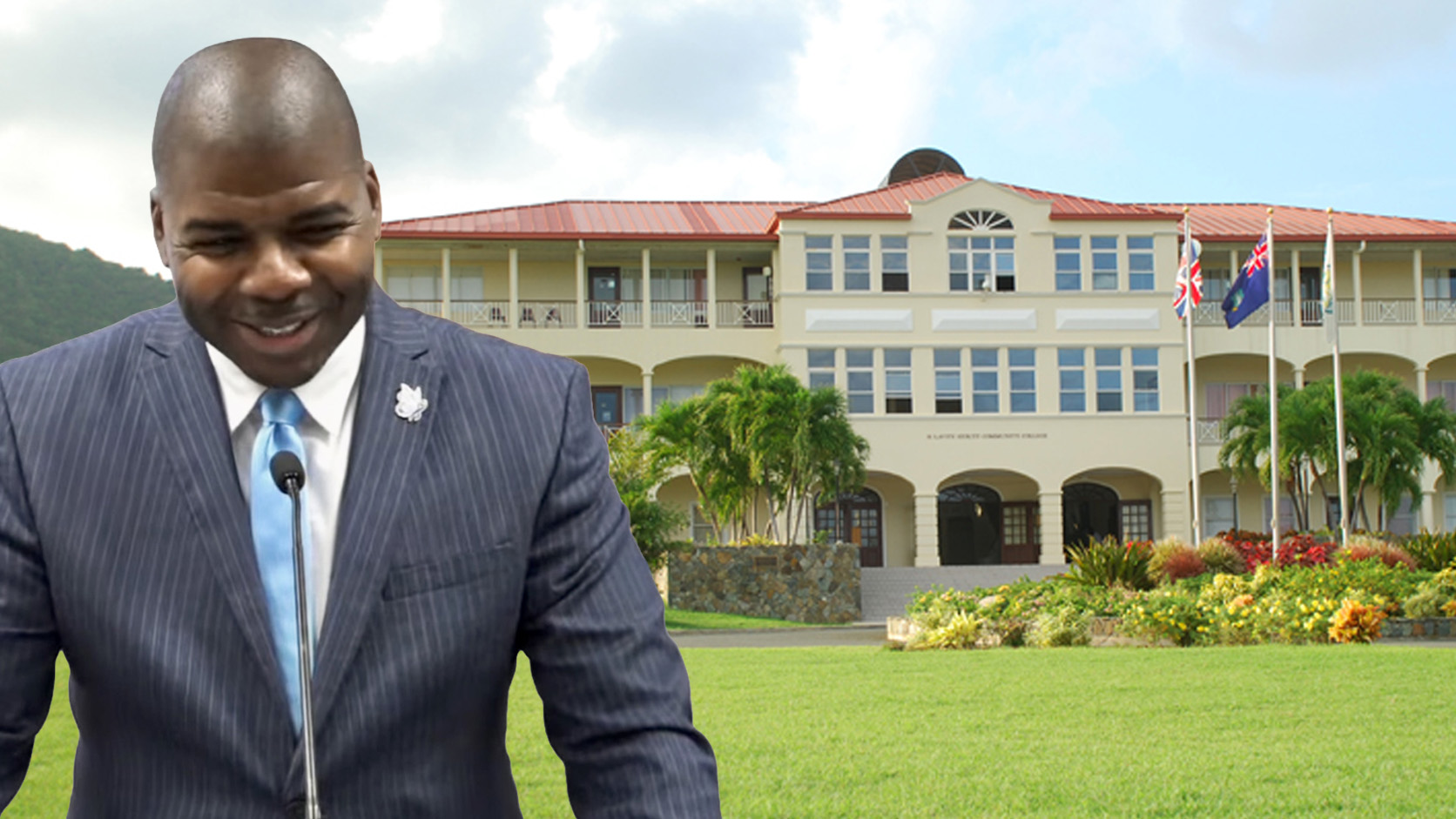
The Government of the Virgin Islands has signed agreements to begin the design phase for student dormitories at H. Lavity Stoutt Community College, a project aimed at expanding access to higher education for students across the territory.
The Memorandum of Understanding and Deed of Contribution, signed on Tuesday, April 14, between the Ministry of Education, Youth Affairs and Sports, H. Lavity Stoutt Community College and the Recovery and Development Agency, mark the start of work toward developing on-campus housing at the Paraquita Bay campus.
Officials said the dormitories are expected to address longstanding challenges faced by students from Anegada, Jost Van Dyke and Virgin Gorda, who often encounter higher costs and logistical difficulties due to travel and accommodation limitations.
“For many years, students from Anegada, Jost Van Dyke, and Virgin Gorda have faced additional hurdles simply because of geography,” Premier Hon. Dr. Natalio D. Wheatley said. “With the construction of these dormitories, we will remove one of the most persistent barriers to higher education for our own people.”
The project is intended to make it easier for students throughout the Virgin Islands to pursue tertiary and post-secondary education locally, reducing the need to relocate or manage extended commutes.
Officials said the development has long been part of the college’s master plan and represents a step toward strengthening the territory’s education system.
The dormitories are also expected to accommodate students from outside the territory, supporting broader efforts to expand educational opportunities and diversify the economy.
The Recovery and Development Agency is overseeing the project, with the design phase to be followed by construction.
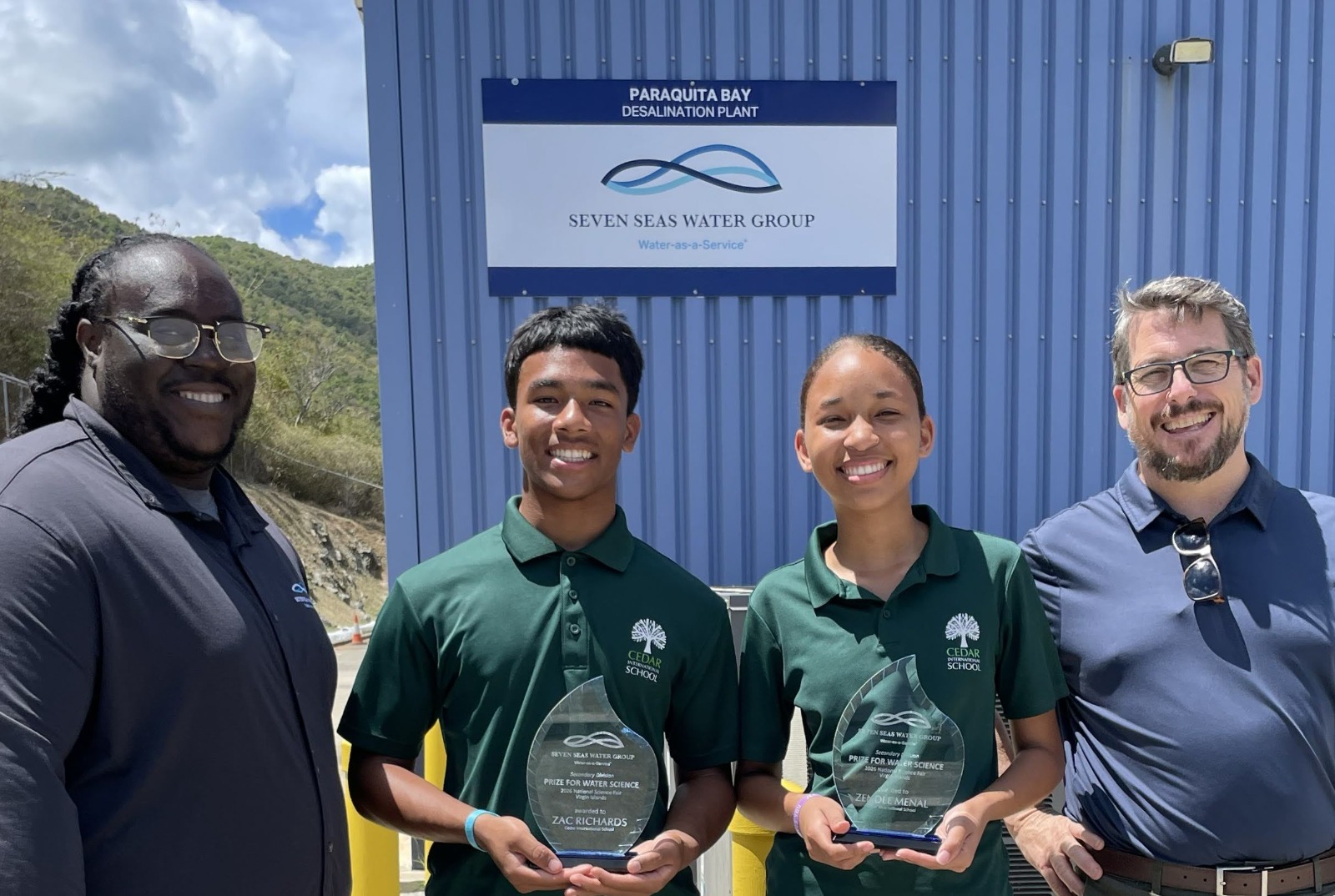
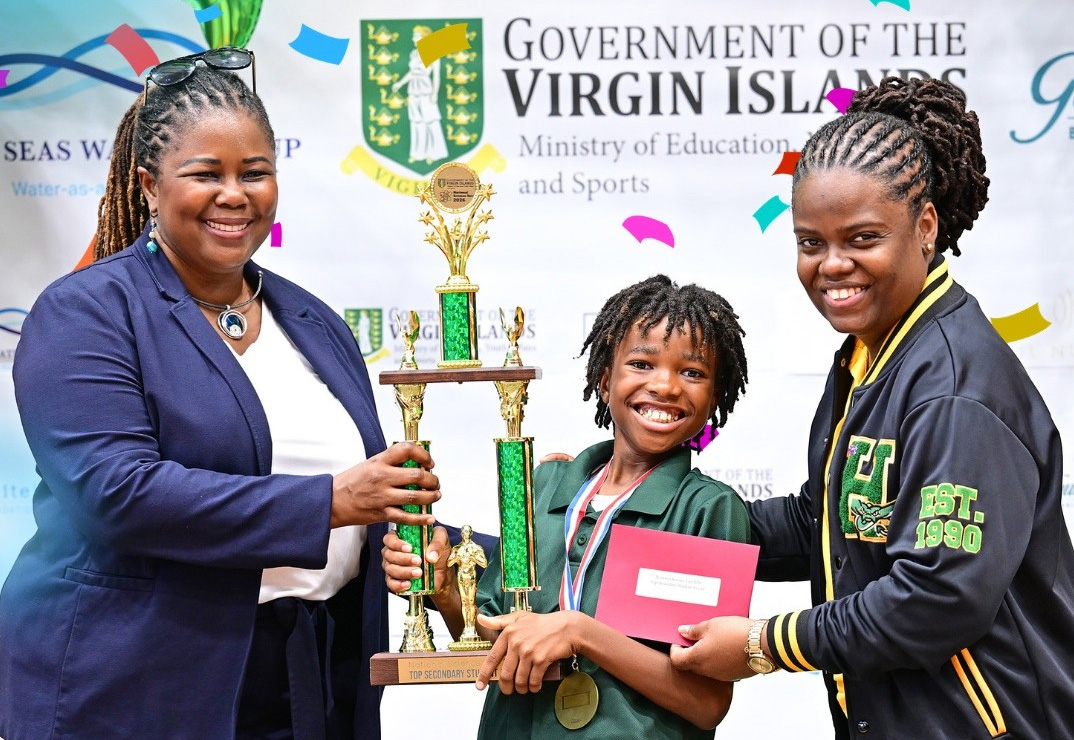
Zac Richards and Zendée Menal of Cedar International School and Daundre Rhodes of Bregado Flax Educational Centre were recognized by Seven Seas Water Group with the Prize for Water Science at the 2026 National Science Fair closing ceremony on March 20.
The award, presented in observance of World Water Day, highlights student research addressing water-related challenges under the theme “Innovate with Purpose, Create with Care, Solve for Tomorrow.”
Richards and Menal won the secondary division for their project, “Comparative Analysis of Water Quality in the BVI,” which examined physical and chemical parameters at three coastal locations. The study provides baseline data that can inform efforts to develop a national marine water quality framework, with implications for public health and marine ecosystems.
Rhodes received the primary division award for “Bubble Tubing: A Natural Solution to Sargassum in the Virgin Islands.” The project proposed a method to repel sargassum from desalination intake areas, aiming to reduce the effects of decomposition on water taste and odor.
On March 27, Richards and Menal visited the Paraquita Bay Water Plant, where they received their awards and toured desalination operations. Kevon Smith, the plant manager and a former National Science Fair winner, guided the students through processes including cartridge filtration, membrane technology and reverse osmosis.
Noni M. Georges, community relations advisor at Seven Seas Water BVI, said the students’ work demonstrated both scientific rigor and engagement with local challenges. “Seven Seas Water BVI is honored to celebrate and support their achievements,” she said.
Smith said the projects reflected ideas relevant to the territory’s water management. “These are not just projects — they are the kinds of ideas that can shape how we manage and protect our water resources,” he said.
Seven Seas Water Group also acknowledged the Ministry of Education, Science Fair Coordinator Renee Caines, participating students, teachers, schools and parents for organizing the event.