
Business
Tropical Shipping Warns of Severe Impact on Caribbean Trade from Proposed U.S. Tariff on Chinese-Built Vessels
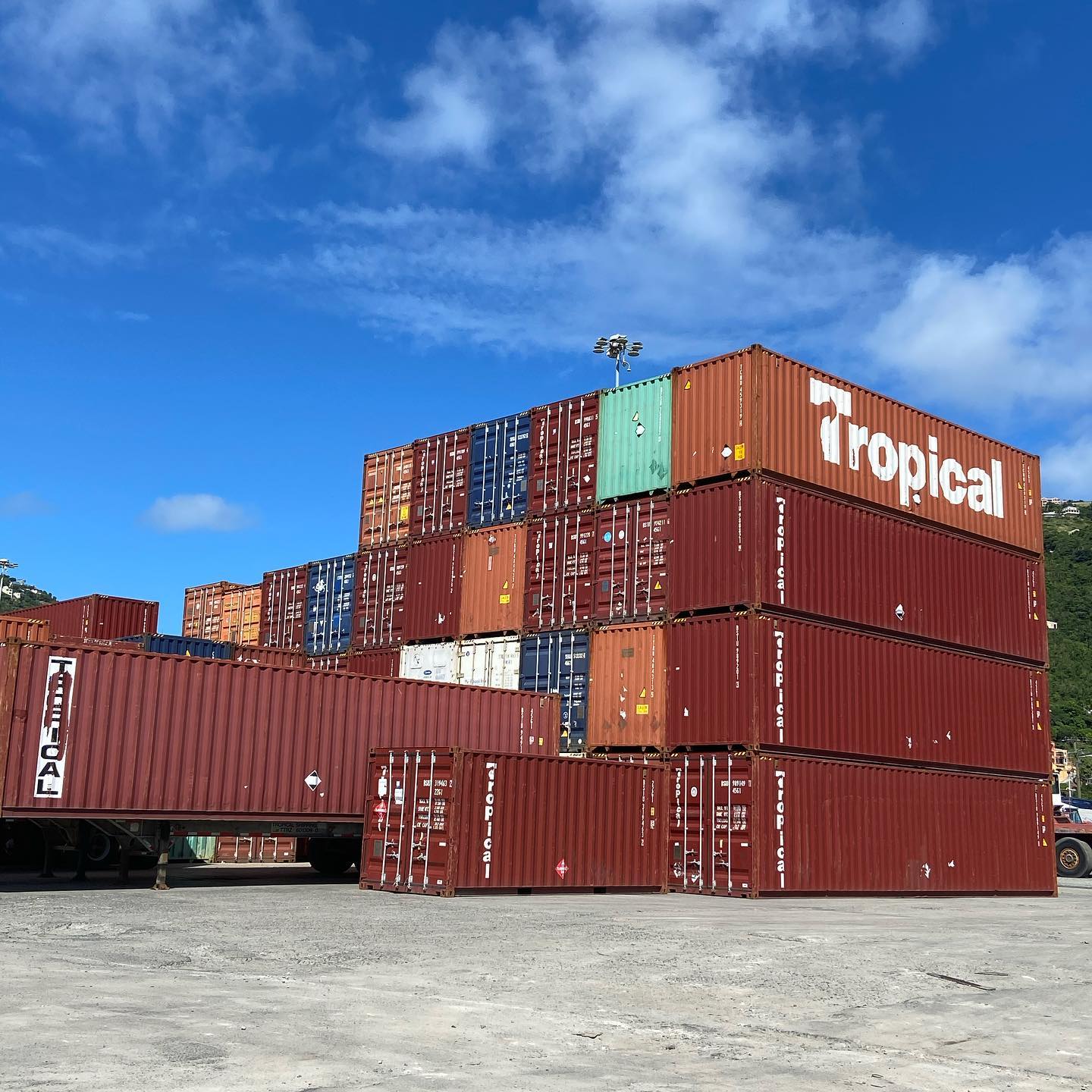
A proposed tariff set to be enacted by the United States government next month threatens to unravel decades of economic ties between the U.S. and the Caribbean. The new policy, which would impose a hefty $1 million port fee on any Chinese-built vessel calling at U.S. ports, could raise shipping costs by thousands of dollars per container, potentially shifting the flow of goods between the U.S. and the Caribbean to foreign competitors. For Caribbean exporters, this tariff would be a major blow, raising the cost of goods and disrupting established trade relationships that total $92.3 billion annually.
While the United States government has framed the proposal as a trade measure aimed at countering unfair practices, it will have profound implications for Caribbean economies that depend on efficient, cost-effective shipping services to move goods. Most of the vessels serving the region were built in China, meaning the vast majority of Caribbean trade will be directly impacted by this policy.
For Caribbean businesses, the stakes are high. With rising shipping costs, many companies could be forced to either absorb the additional costs or pass them along to consumers. Both scenarios are unsustainable. Higher prices on exports to the Caribbean would make American goods less competitive, pushing businesses in the region to turn to other nations for supplies. The result? U.S. exports to the Caribbean could plummet, damaging a $92.3 billion trade relationship and costing both U.S. and Caribbean businesses valuable market share.
The proposed tariff will also hurt the livelihoods of many Caribbean workers who rely on a robust, affordable shipping network to support industries like agriculture, manufacturing, and retail. Rising shipping costs could result in fewer goods reaching the islands, driving up prices and making it harder for businesses to operate. For smaller Caribbean economies, the impact could be even more severe, as many rely heavily on U.S. imports for basic goods and supplies.
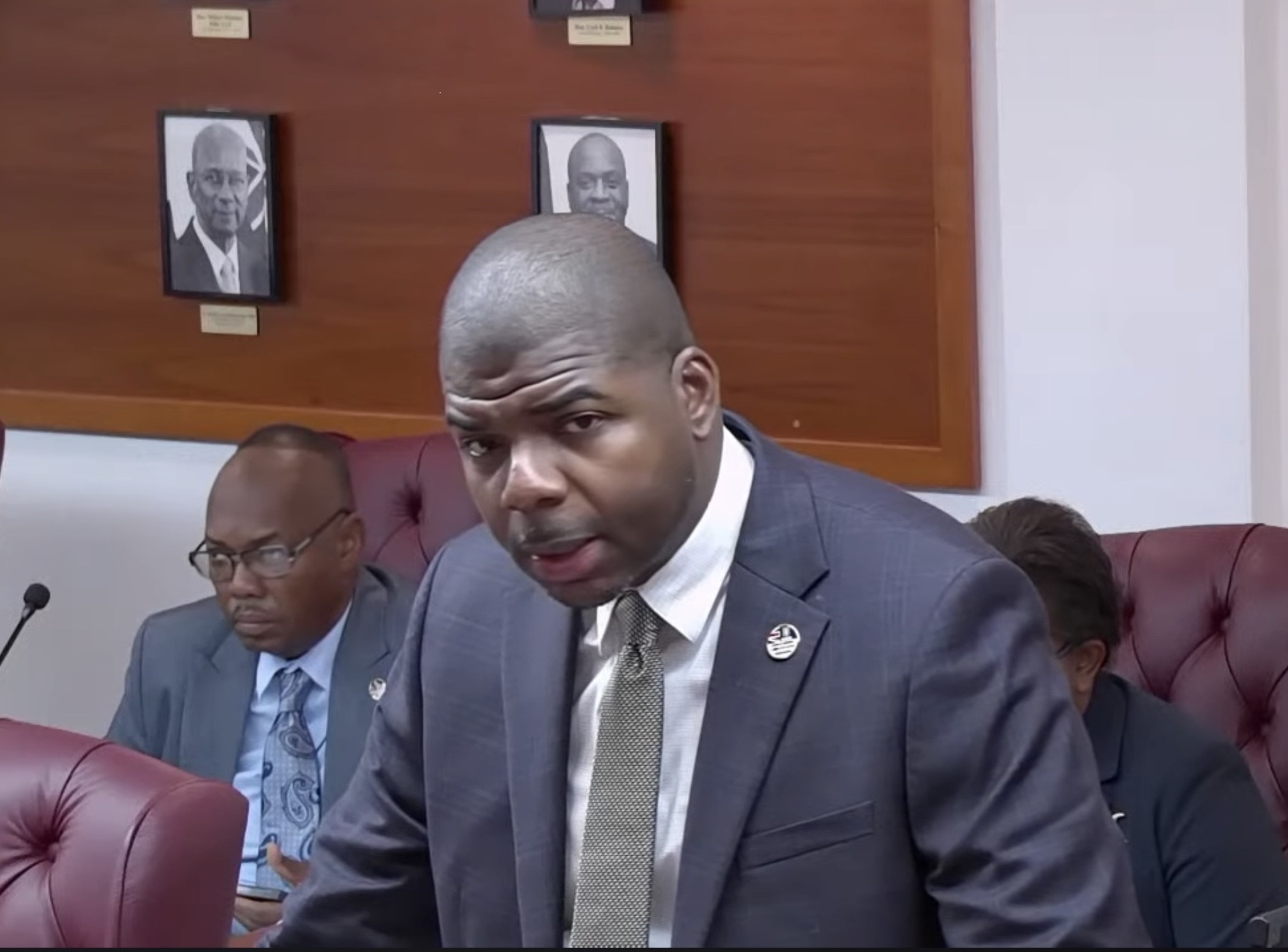
Tropical Shipping, a key player in U.S.-Caribbean trade, has raised its voice against the U.S. Trade Representative’s (USTR) proposal, warning of the far-reaching consequences for both American and Caribbean workers. “This tariff will not only raise costs for Caribbean businesses but will hurt American workers as well,” said Tropical’s President and CEO in a letter to the USTR. “American workers in port operations, warehousing, trucking, and logistics will feel the impact, while exporters from the U.S. will find themselves less competitive compared to foreign rivals.”
At its core, the proposal threatens to destabilize Caribbean economies by driving up the cost of goods exported from the U.S. and weakening the region’s reliance on U.S. ports. The Caribbean is the United States’ largest trading partner in the Western Hemisphere, and this tariff would directly reduce the volume of goods passing through U.S. ports, ultimately harming jobs in both regions. It would also make it increasingly difficult for Caribbean countries to maintain consistent access to the goods they need, further straining already delicate economic conditions.
The Caribbean’s stake in this decision is clear. Tropical Shipping is urging businesses and individuals across the region to submit comments to the USTR, outlining how this tariff would affect their operations. This simple step could be a turning point, helping to prevent a trade policy that could ultimately disrupt the flow of goods between the U.S. and the Caribbean.
For more information about the USTR Section 301 proposal and how to submit your comments, visit the USTR Public Comment Page.
Tropical Shipping remains committed to protecting the interests of both Caribbean businesses and American workers, recognizing that both regions are interconnected in ways that cannot be ignored. The outcome of this decision could have lasting consequences for U.S.-Caribbean trade — a relationship that is essential to both economies’ continued prosperity.

Business
Unite BVI Launches 2026 Impact Challenge to Support Ocean-Focused Ventures
Unite BVI has opened applications for its 2026 Impact Challenge, offering up to $200,000 in funding and one year of incubation support to entrepreneurs in the Virgin Islands developing business solutions focused on ocean health and environmental sustainability.

The initiative, powered by the VI Purpose Fund, is an annual competition aimed at identifying and scaling ventures that address environmental challenges while contributing to economic development in the territory.
Applications opened April 2, with the program targeting businesses that demonstrate commercial viability, measurable environmental impact and potential for growth.
Organizers said the challenge comes at a time of increasing concern about the condition of global marine ecosystems. A recent Planetary Health Check report by the Potsdam Institute for Climate Impact Research found that the ocean has crossed key environmental thresholds, placing marine systems under significant strain.
For the Virgin Islands, where the economy and way of life are closely tied to the ocean, the implications are immediate. Rising ocean temperatures, acidification and environmental degradation pose risks to fisheries, tourism and long-term economic stability.
Lauren Keil, programme manager for the VI Purpose Fund, said the initiative is intended to position the territory as a source of solutions.
“This global crisis presents a powerful local opportunity,” Keil said. “The BVI is uniquely positioned to develop and scale solutions that both restore ocean health and create sustainable economic pathways.”
Sir Richard Branson, a supporter of the fund and a judge in the competition, said small island economies can play a significant role in addressing global environmental challenges.
“Some of the world’s boldest ideas come from small islands,” Branson said. “The VI Purpose Fund is an invitation for entrepreneurs to step up and create real solutions that can have a ripple effect far beyond the BVI.”
Rick Kearney, co-founder of the VI Purpose Fund, said the program is designed to support entrepreneurs seeking both financial backing and business development support.
“This is an opportunity for creative and committed entrepreneurs to receive financial and business support to make a difference in the lives of their family, the community and the planet,” Kearney said.
Kim Takeuchi, executive director of Unite BVI, said the initiative reflects the territory’s dependence on the marine environment.
“The sea makes up 90 percent of the Virgin Islands,” Takeuchi said. “By protecting these waters now, we secure long-term sustainability for future generations.”
The challenge prioritizes ventures that integrate ocean protection into business models while creating jobs, strengthening supply chains and reducing dependence on imports. Focus areas include sustainable fisheries, regenerative aquaculture, waste reduction, recycling and reuse systems, coastal restoration, and solutions related to sargassum management.
Selected applicants will receive funding along with structured incubation and acceleration support to help develop scalable enterprises.
The application process will be conducted in phases. Initial assessments are due by June 10, followed by detailed submissions between July 1 and Aug. 25. Six finalists will be selected on Oct. 13 and invited to participate in a final pitch event on Necker Island in early November, where winners will be chosen.
Applicants must be at least 18 years old and hold a valid trade license by Aug. 25. Additional regulatory approvals may be required depending on the nature of the business.
The VI Purpose Fund is a flagship initiative of the Unite BVI Foundation and supports ventures that combine economic development with environmental sustainability.

Organizers said the challenge is intended to encourage entrepreneurs to develop solutions that address both local and global environmental concerns while building resilient businesses within the territory.
Business
Government Cuts Port Fees to Ease Pressure on Businesses and Consumers
Premier Dr. the Hon. Natalio D. Wheatley announced that the Government of the Virgin Islands will temporarily reduce port-related fees as part of a broader effort to ease rising costs for businesses and consumers amid global economic pressures.
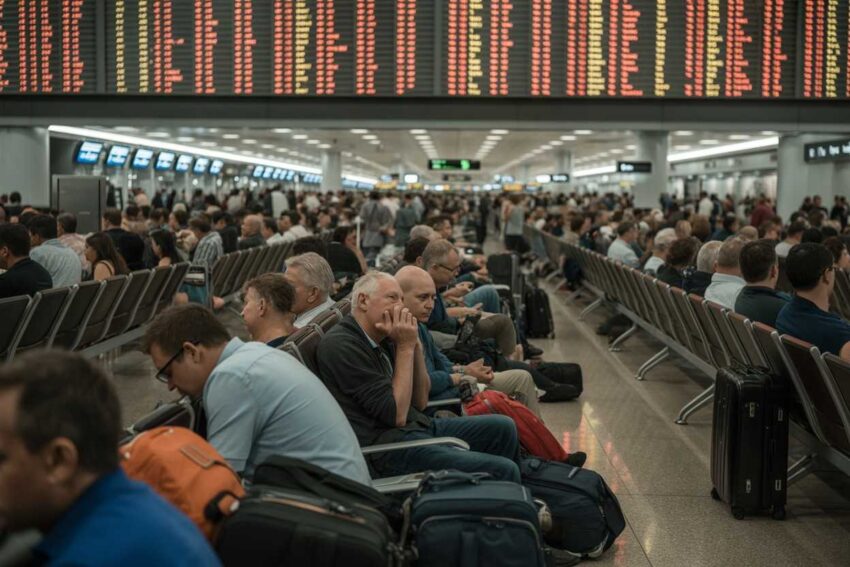
Speaking during a national address on April 16, Wheatley said the government will reduce the wharfage fee on incoming cargo from 2 percent to 1 percent and cut container charges from $300 to $150 for a three-month period beginning in May.
The measures are intended to lower the cost of importing goods into the territory, as global fuel price increases and supply chain disruptions continue to drive up shipping expenses.
Officials said the reductions are designed to relieve financial pressure on businesses and help limit the extent to which higher import costs are passed on to consumers, contributing to broader efforts to control inflation.
“These actions will lessen financial strain on businesses, support price stabilization, and limit price increases for consumers,” Wheatley said.
The announcement comes as small island economies such as the Virgin Islands face heightened vulnerability to external economic shocks due to their reliance on imported goods. Rising transportation and freight costs have been a key driver of inflation across the region in recent months.
The government said the port fee reductions will work alongside other measures, including adjustments to import duties and targeted subsidies, to create a coordinated response to the increasing cost of living.
Wheatley also acknowledged the role of key agencies in implementing the initiative, including Minister of Communications Kye Rymer, Chairman of the BVI Ports Authority Dion Stoutt, and Acting Managing Director Dean Fahie, along with their respective teams.
The concessions are expected to take effect in May, pending administrative and procedural arrangements.
Officials said the temporary reductions will be closely monitored, with the possibility of further adjustments depending on global economic conditions and their impact on the territory.

ADVERTISEMENT:

Business
Government Moves to Activate Consumer Protection Law Amid Price Gouging Concerns
The Government of the Virgin Islands is moving to activate long-delayed consumer protection legislation as part of a broader response to rising living costs, with officials signaling increased oversight to address potential price gouging and unfair business practices.
Premier Dr. Hon. Natalio D. Wheatley announced during a national address on April 16 that legislative amendments are being prepared to bring the Consumer Protection Act into force, alongside new regulations aimed at monitoring and controlling prices on essential goods.
The move comes as global disruptions to energy markets and supply chains continue to drive up the cost of imported goods, placing additional strain on households and raising concerns about pricing practices within the local market.
“These amendments will also allow the Consumer Protection Act to come into force, providing a comprehensive framework to protect consumers from price gouging and other anti-consumer practices,” Wheatley said.
The planned measures are expected to introduce formal mechanisms for price regulation, particularly tied to the government’s proposed “basket of goods” initiative, which targets essential food and household items. Officials said the framework will allow authorities to intervene where necessary to prevent excessive markups and ensure that relief measures translate into actual savings for consumers.
Consumer protection legislation has been under discussion in the territory for several years but has not been fully implemented. The renewed push reflects growing urgency as inflationary pressures intensify and the cost of basic goods continues to rise.
Economists note that small island economies such as the Virgin Islands are especially vulnerable to price shocks due to their reliance on imports, limited market size and exposure to global supply chain disruptions. In such environments, regulatory oversight is often used to prevent market distortions and protect consumers during periods of economic volatility.
The government’s approach also places responsibility on the private sector to align with broader economic relief efforts. Wheatley urged businesses to pass on savings from reduced duties and fees to consumers, warning that the effectiveness of government intervention depends in part on cooperation from retailers and suppliers.
The activation of the Consumer Protection Act is expected to strengthen enforcement capabilities, including the ability to investigate complaints, regulate pricing practices and impose penalties for violations.
Officials said the measures will require Cabinet approval and legislative action, with implementation expected in the coming weeks.
The government indicated that additional policies may be introduced as conditions evolve, with continued monitoring of global economic developments and their impact on the territory.
-
Crime/Police19 hours agoTarik Aaron Arrested on USVI Extradition Warrant
-
Crime/Police6 days agoTwo Men Arrested in Free Bottom After Police Recover Modified Firearm, Drugs and Ammunition
-
Elections 202320 hours agoHon. Wheatley Introduces Elections Amendment Bill in House of Assembly
-
Entertainment2 weeks agoMystiq Flax Charles Wins Best Look of the Night at Style Week Event
-
Local News20 hours agoCivil Registry Announces Increase in U.K. Passport Fees Effective April 8
-
Elections 20235 days agoWalters Elected NDP Vice President as Party Finalizes Leadership Team
-
Crime/Police1 week agoSix New Police Vehicles Added to RVIPF Fleet to Strengthen Operations
-
Entertainment2 weeks agoThree Contestants Confirmed for Miss Elegantly Plus Caribbean Queen Pageant in Tortola