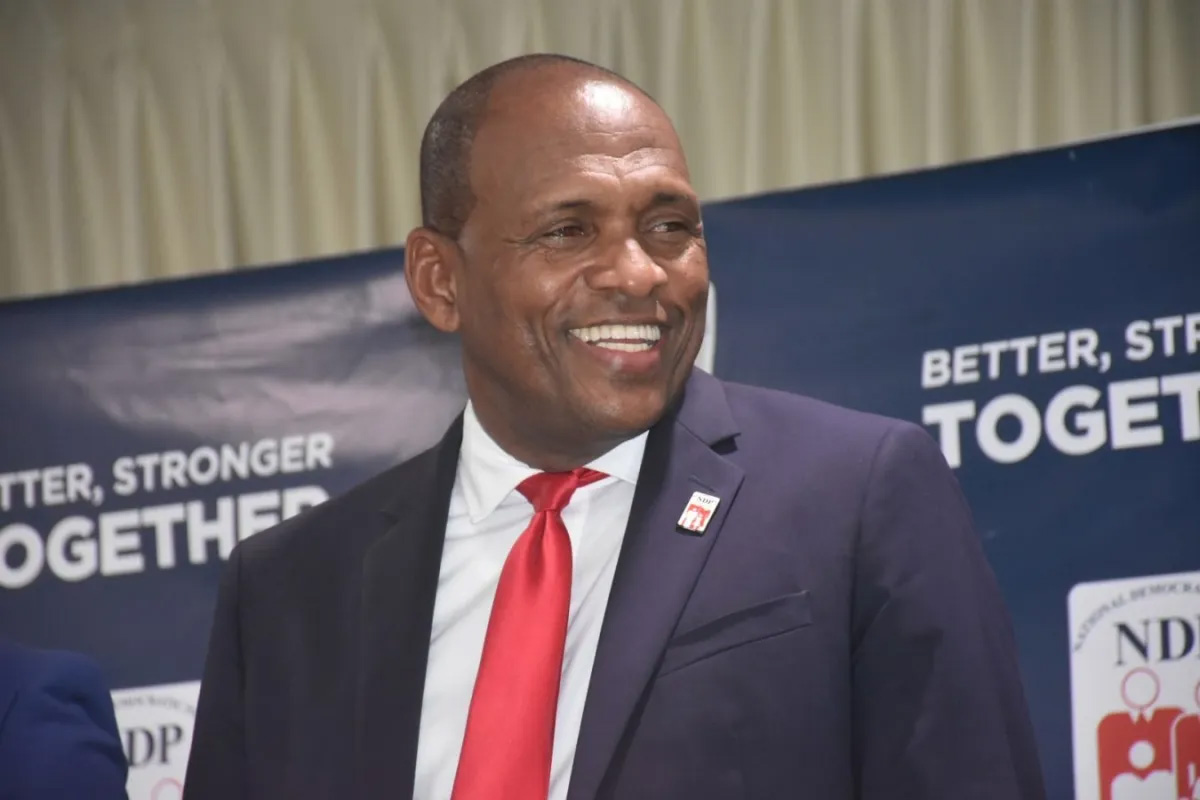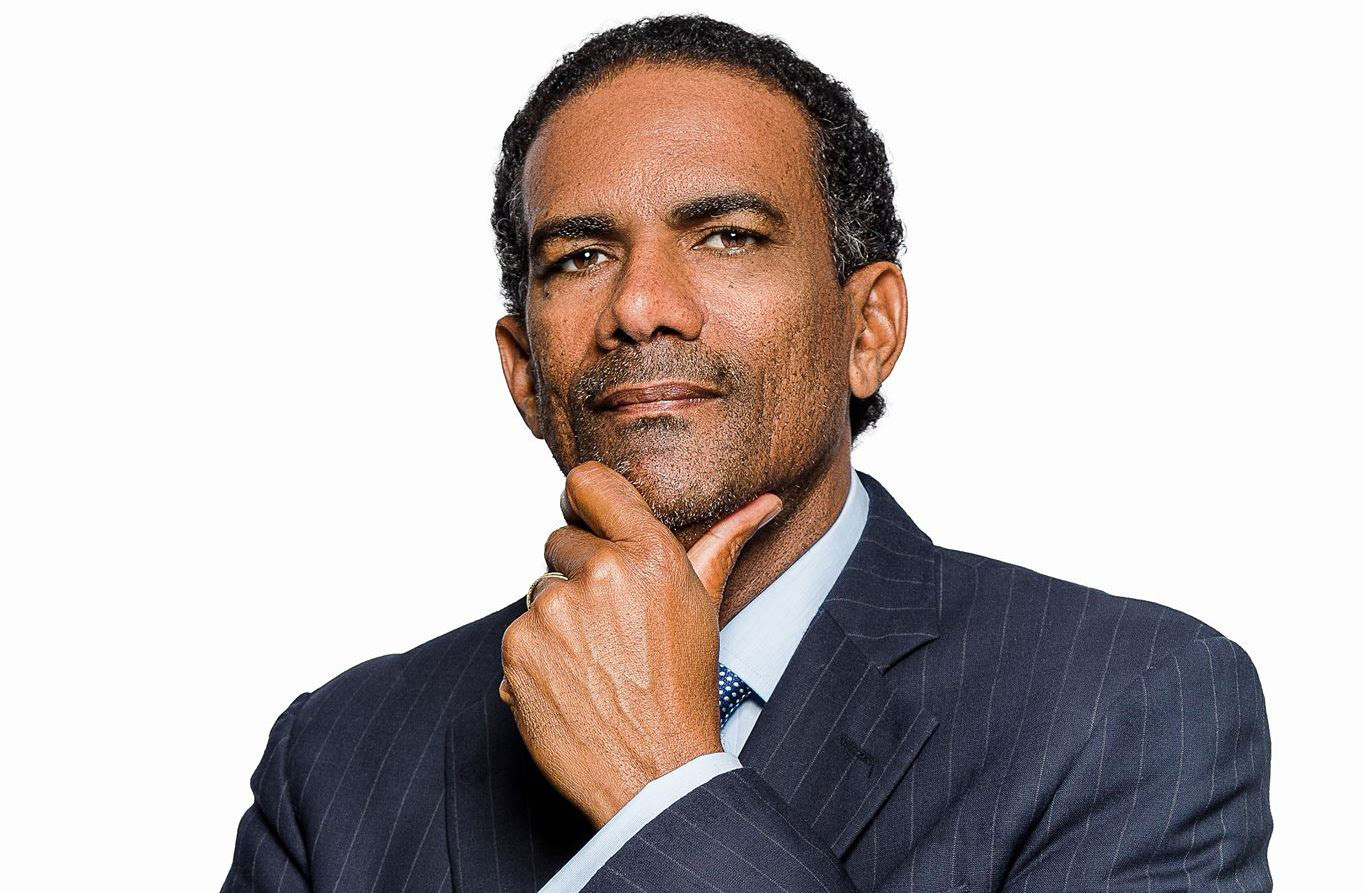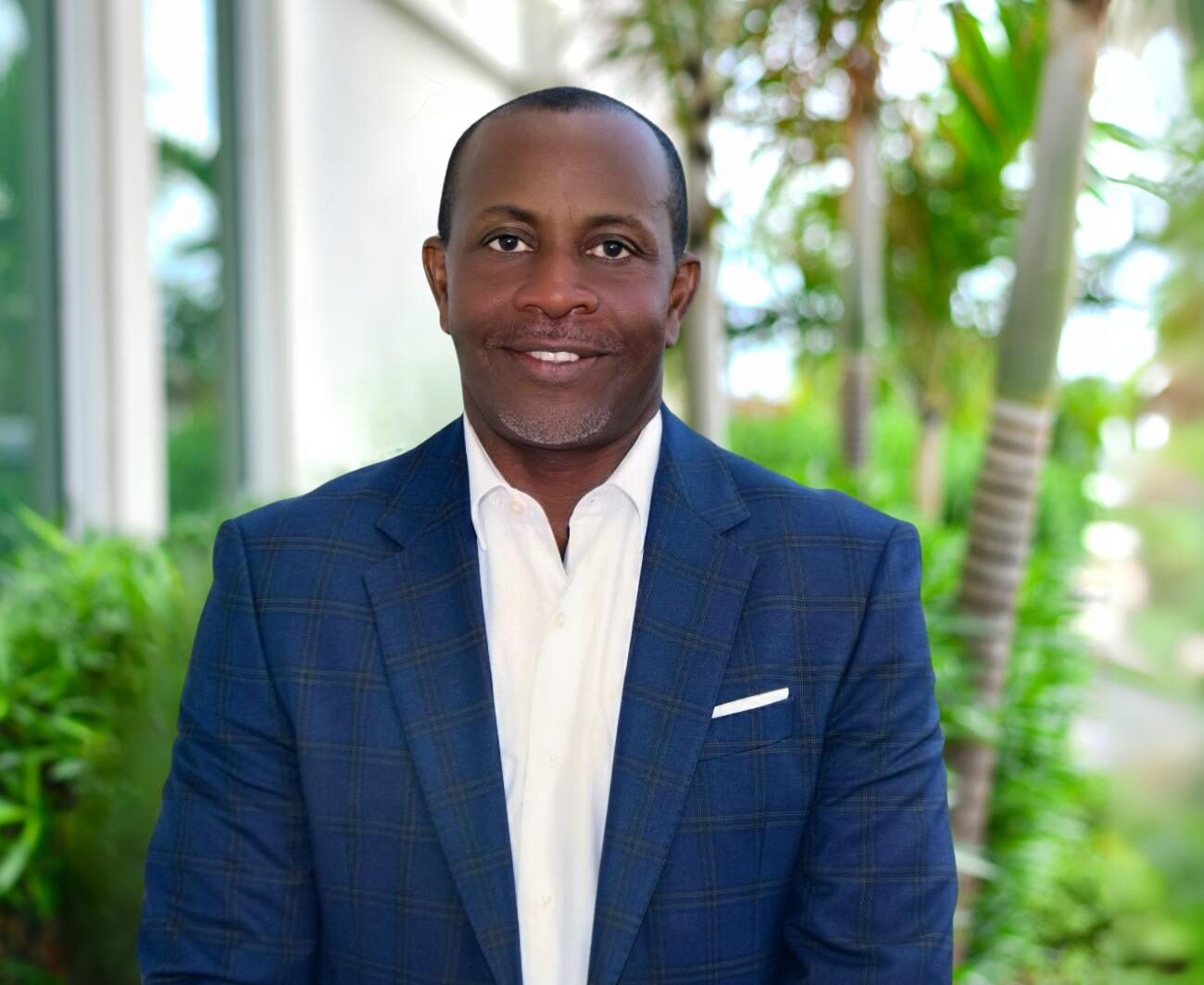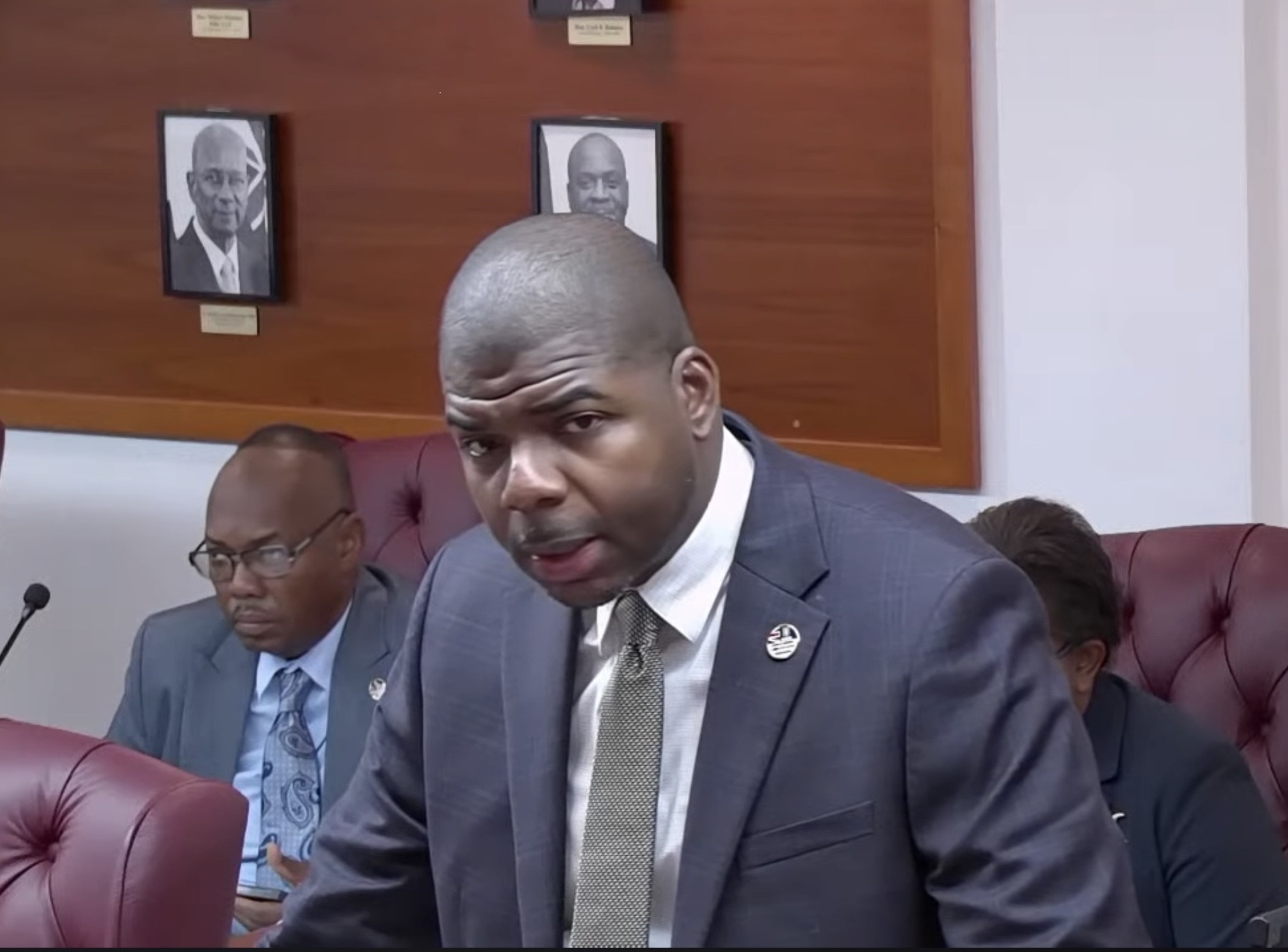

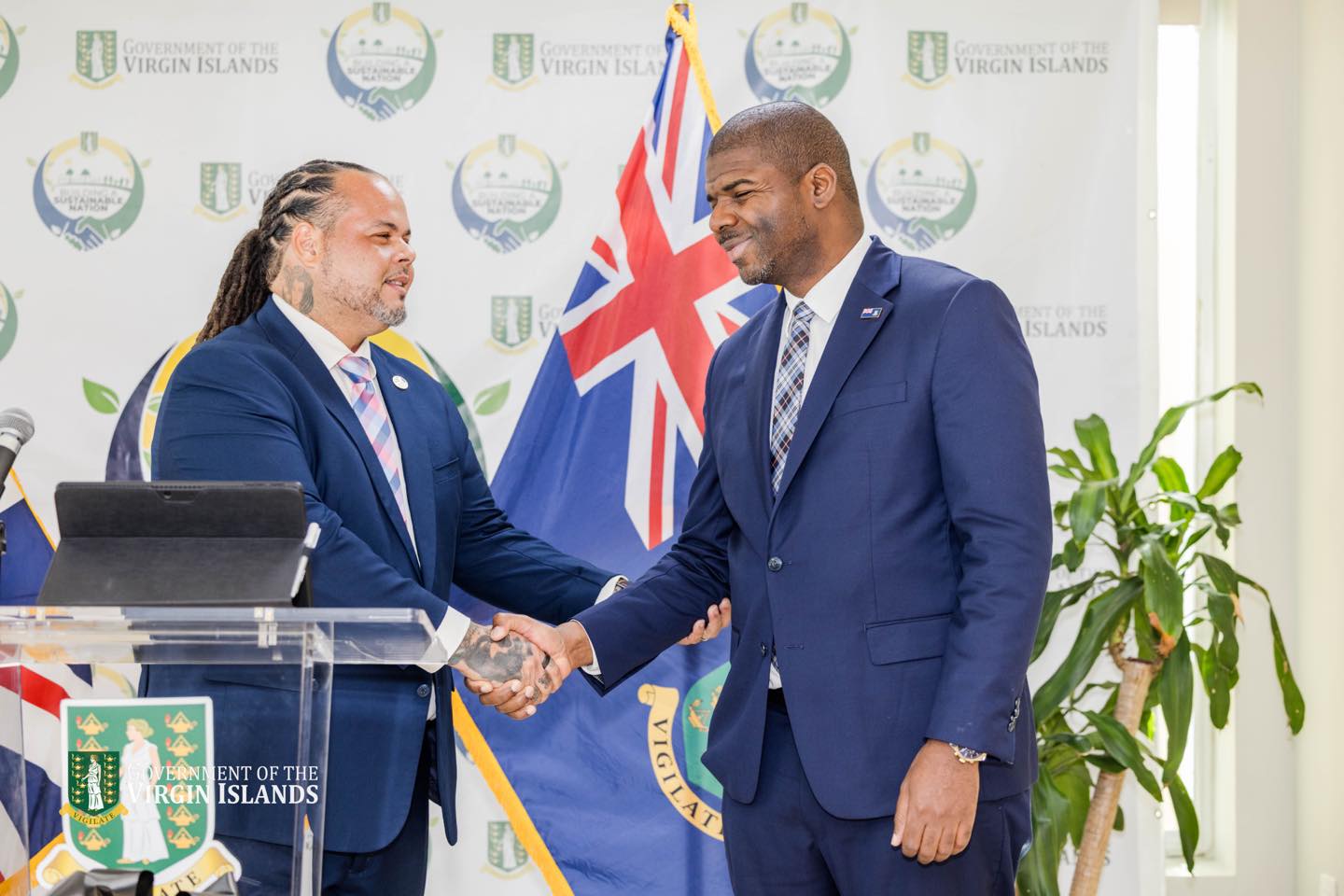
– Stacy “Buddha” Mather, Territorial At-Large Representative says he remains independent, not affiliated with any established political party
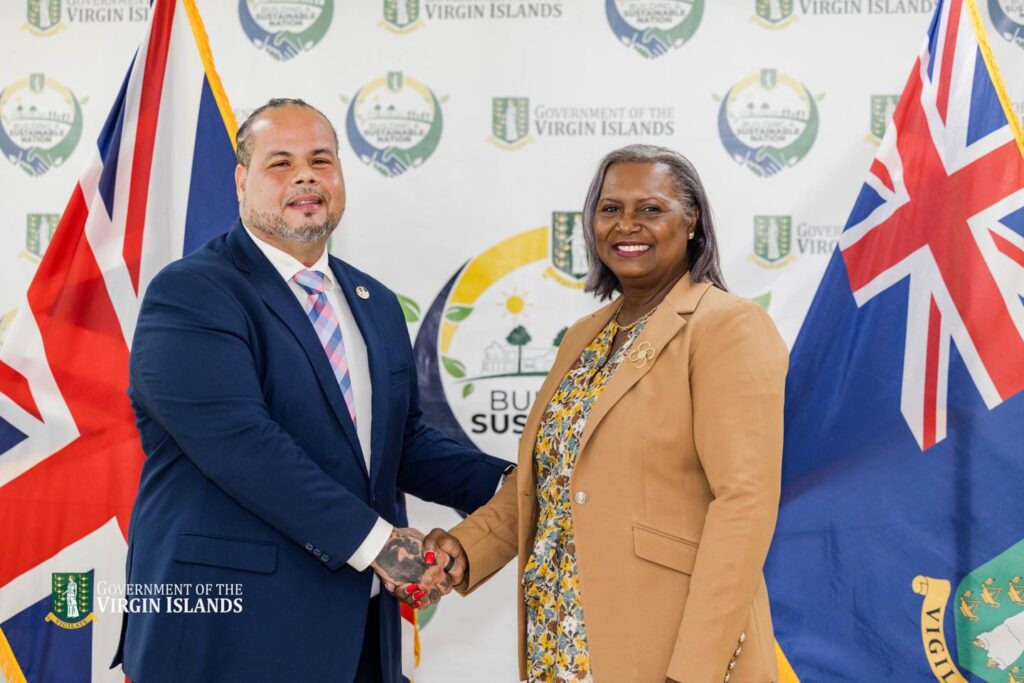
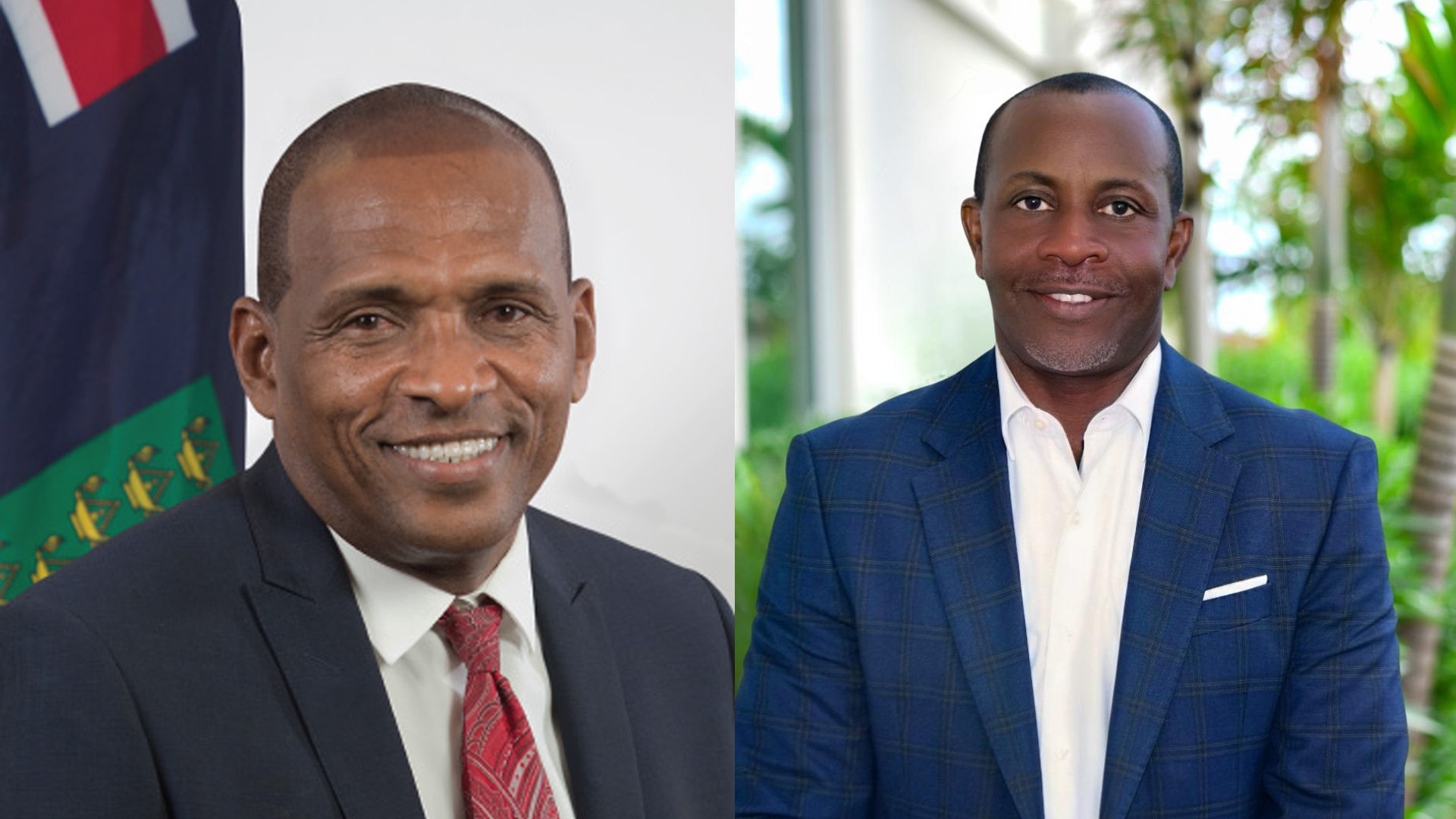
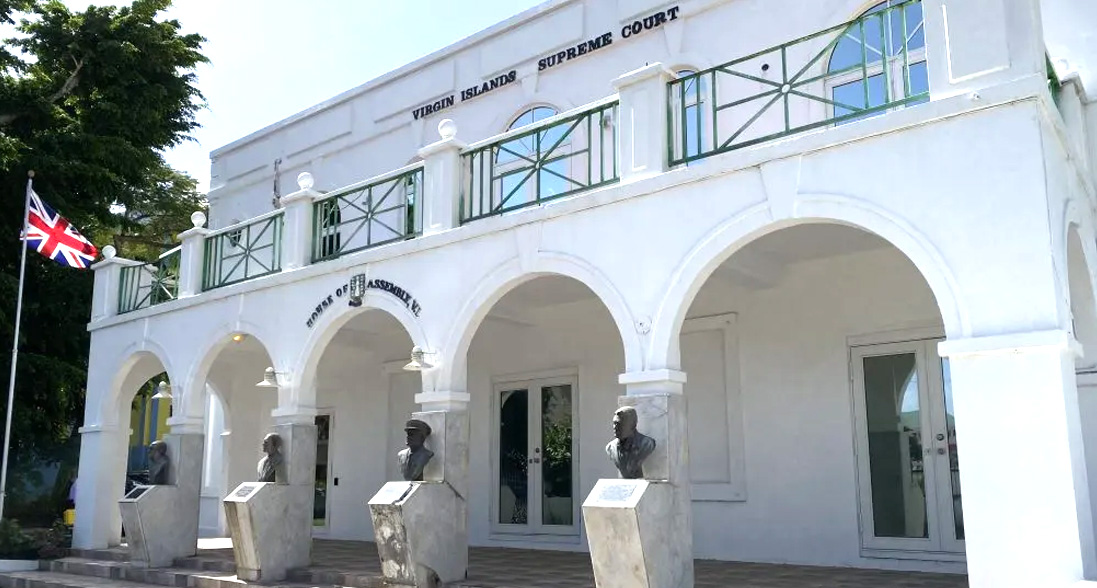
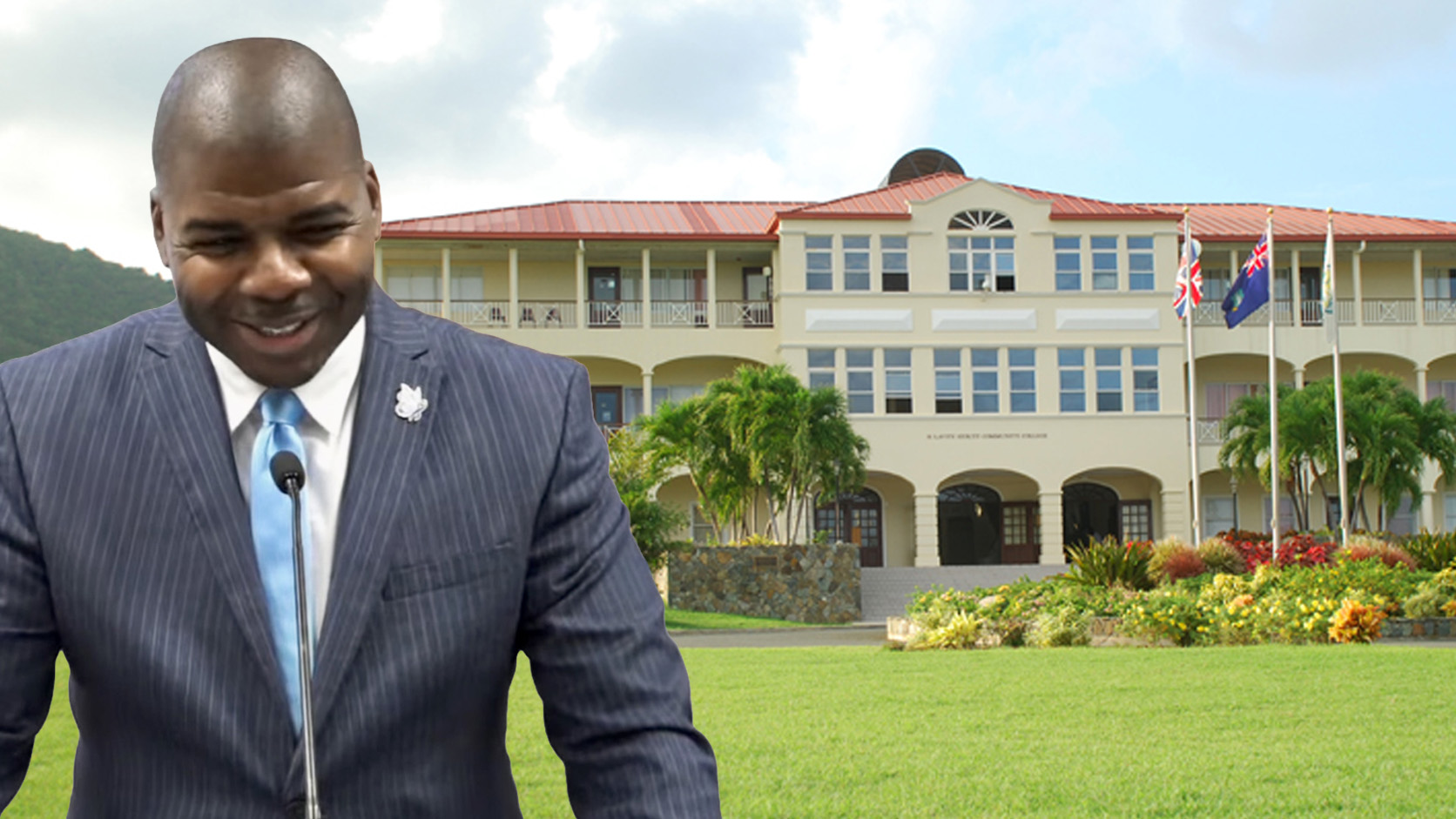
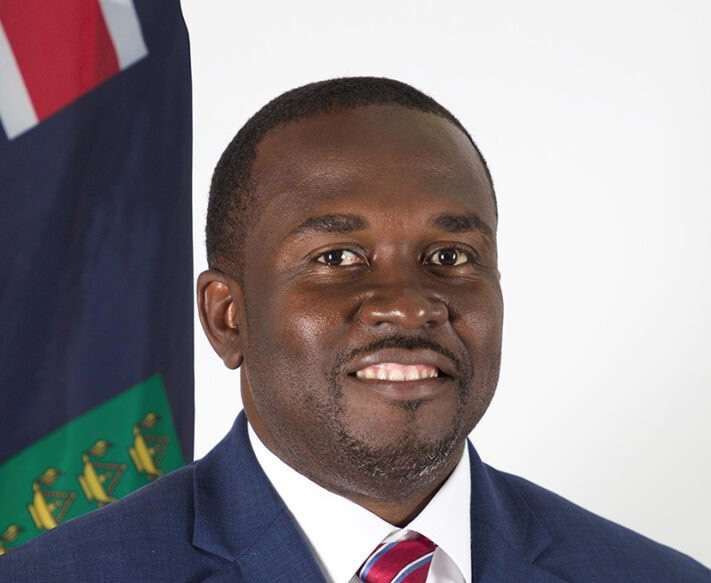
Territorial At-Large Representative Honourable Stacy Mather has crossed the floor to join the Government of the Virgin Islands, marking a significant political shift within the House of Assembly.
Mather confirmed the move in remarks to JTV News, stating, “I am not a member of any established political party and have not joined the Virgin Islands Party.” He joins the Government as an independent, adding to a governing arrangement that now includes three members without party affiliation.
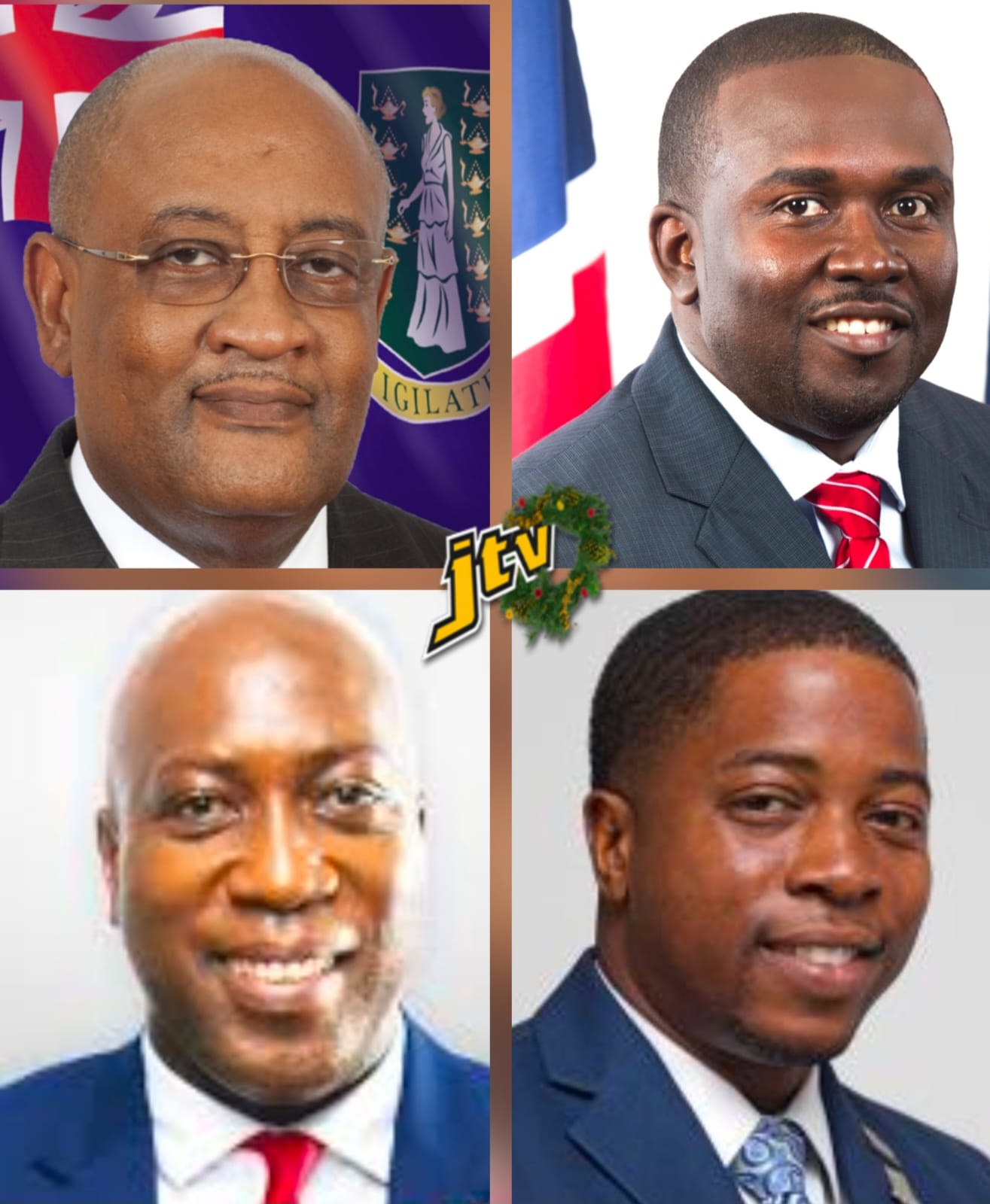
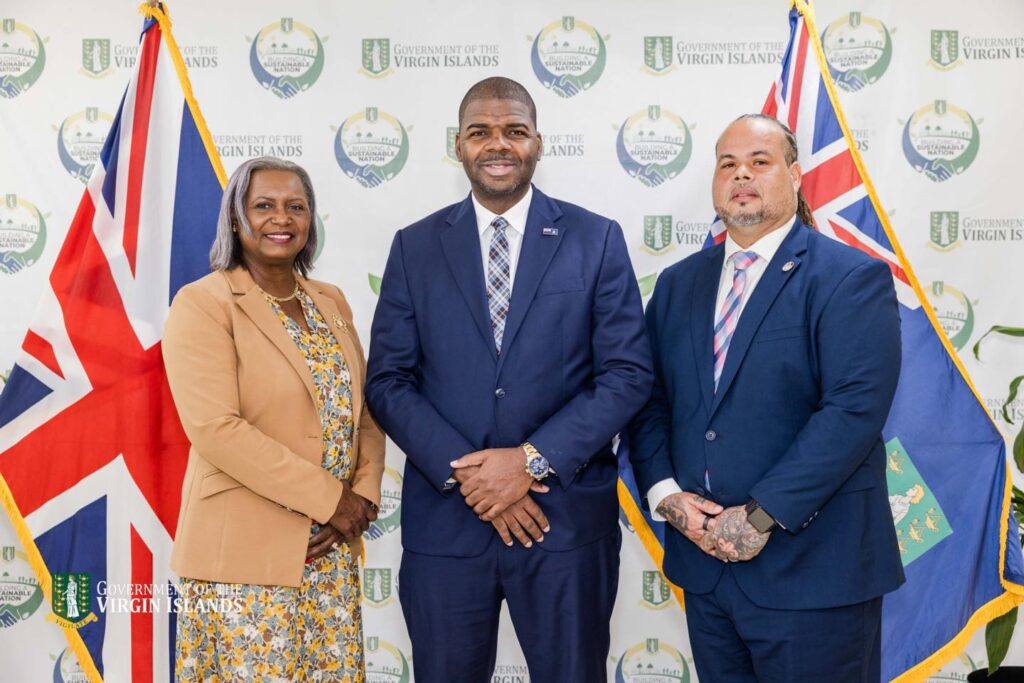
The Government is currently comprised of independent members Honourable Stacy Mather, Junior Minister Honourable Lorna G. Smith, OBE, and Deputy Premier Honourable Julian Fraser of Progressive United.
Mather’s decision follows the formation of an alliance between himself, Honourable Melvin “Mitch” Turnbull, and Honourable Myron V. Walwyn. That alliance resulted in Mather and Turnbull severing ties with the Progressive Virgin Islands Movement (PVIM), while Walwyn distanced himself from the National Democratic Party (NDP).
Although Honourables Mather, Melvin “Mitch” Turnbull and Walwyn formed an alliance in the House of Assembly, the group has not been constituted as an official political party. Members have emphasised that they are working together as a cohesive parliamentary team rather than under an established party banner or formal party structure. In fact, Myron Walwyn noted that the alliance was about strengthening opposition unity and not about immediately forming a new political party, underlining its focus on cooperation rather than party affiliation.
In a national address alongside Premier and Minister of Finance Dr. the Honourable Natalio D. Wheatley in breaking the news, Mather framed his decision as one grounded in service rather than partisanship. “I make this announcement today, not as a member of any political party or grouping, but as a member of this community, as a neighbour, as a guardian, as a servant to our shared home, and now also as a Member of the Government,” he said.
Emphasising continuity rather than change in his principles, Mather added, “Politics has its place, but my duty and responsibility to serve the people of the Virgin Islands comes first. Our country will always come first with me.”
He noted that after more than two years serving in His Majesty’s Loyal Opposition, he now intends to continue that same commitment from within the Government. “Crossing the floor is not a leap away from you; it is a step toward you,” Mather said. “It is a step to get more work done for the people of the Virgin Islands… a step to accelerate progress.”
Mather highlighted pressing national challenges including unemployment, the high cost of living, crime, and youth development, calling for an “all-hands-on-deck” approach. He pledged to place his experience in youth and community empowerment at the Government’s disposal.
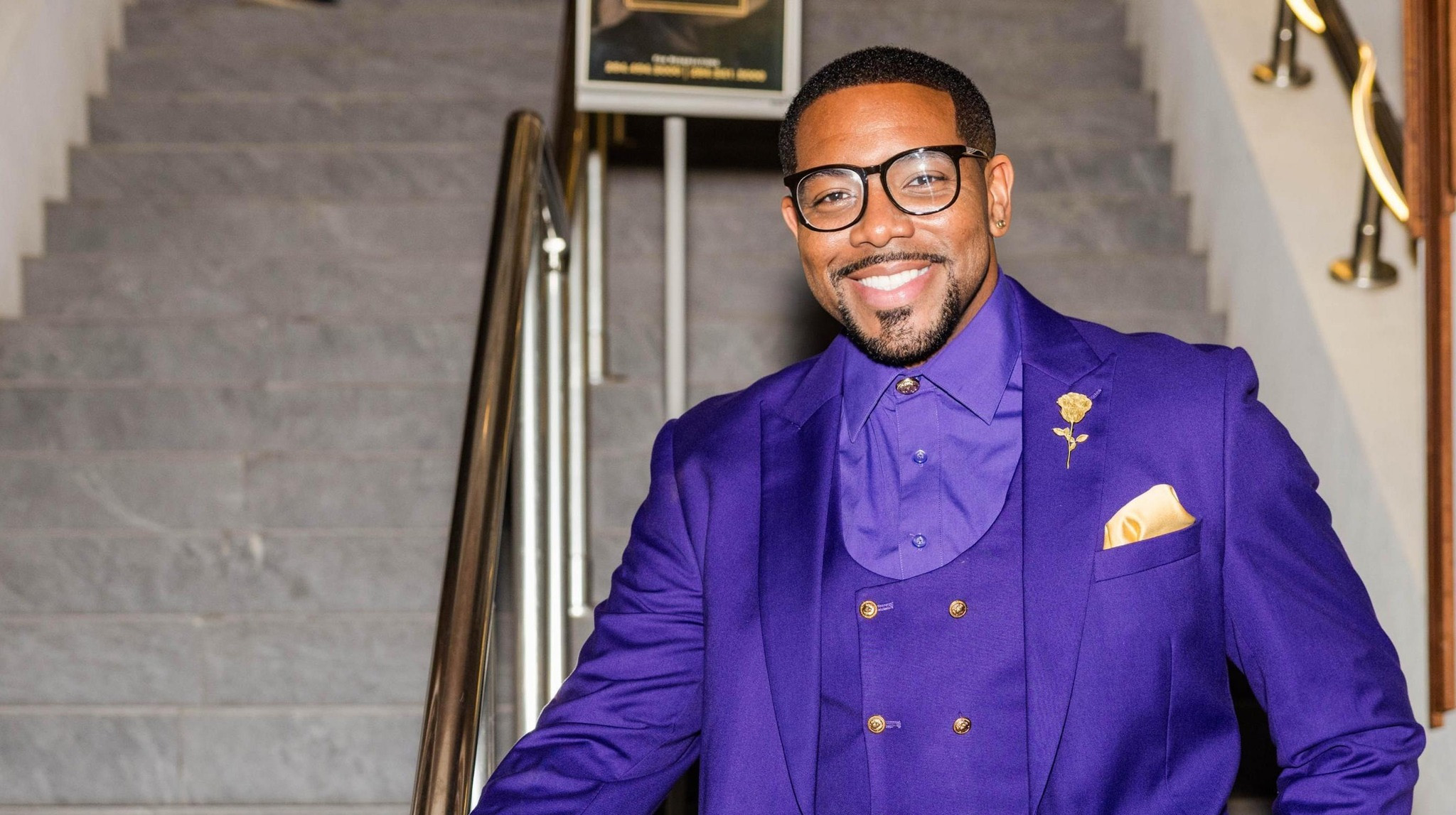
Premier Wheatley welcomed Mather into the administration, describing the move as strengthening the Government’s capacity to deliver results. “I am extremely pleased to welcome Hon. Stacy Mather into the Government to strengthen our ability to deliver for the people of the Virgin Islands,” Wheatley said.
The Premier reflected on their shared history dating back to their school days and praised Mather’s long-standing leadership of the Youth Empowerment Project (YEP), calling it “the most successful youth development initiative in the history of the Virgin Islands.”
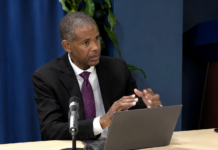
“Stacy has chosen patriotism over party and country above self,” Wheatley said. “The question is whether we will remain divided in a partisan fight to the finish or whether we will rise to the occasion and save a generation.”
Political Analysis: What Mather’s Move Means
Honourable Stacy Mather’s decision to cross the floor represents one of the most consequential political developments of the current House of Assembly. Unlike traditional floor crossings tied to formal party alignment, Mather’s move is framed explicitly around independence, governance capacity, and national urgency rather than partisan consolidation.
By joining the Government as an independent, Mather alters the political dynamic from a rigid government–opposition binary to a more fluid configuration rooted in issue-based cooperation. This shift weakens the optics of strict party opposition while strengthening the Government’s narrative of inclusivity and competence-driven governance.
Politically, the timing is critical. With the next general election constitutionally due by late 2026 or in the first quarter of 2027, the Government now enters a decisive pre-election window. This period is likely to define public perception around delivery, stability, and leadership effectiveness.
Mather’s move therefore provides the administration with both opportunity and risk: opportunity to demonstrate tangible results ahead of the polls and risk should expectations not be met within a compressed timeframe. For the opposition, the shift compresses its runway to distinguish itself and articulate an alternative vision before voters return to the ballot box.
Importantly, Mather’s credibility as the top vote-getter in the 2023 General Election lends democratic weight to the Government’s claim that this realignment reflects public sentiment rather than political expediency.
As the election window approaches, this realignment may well be remembered less for the act of crossing the floor and more for whether it translated into measurable gains for the people of the Virgin Islands.
Parliamentary Numbers and Government Stability
Mather’s decision has immediate implications for the balance of power in the House of Assembly.
With his inclusion, the Government strengthens its working majority while simultaneously expanding its independent bloc. The administration now includes three members operating outside formal party affiliation: Honourable Stacy Mather, Junior Minister Honourable Lorna G. Smith, OBE, and Deputy Premier Honourable Julian Fraser of Progressive United.
This configuration provides the Government with increased legislative flexibility and resilience, particularly on contentious or reform-oriented legislation. It also reduces the likelihood of gridlock by enabling consensus-building across traditional political lines.
From a governance perspective, the shift enhances stability at a time when the Territory faces mounting social and economic pressures. From a political standpoint, it introduces a new model—one where independence and collaboration coexist within executive authority.