

Honourable Stacy Mather’s decision to cross the floor and join the Government has raised pressing questions about the leadership and unity of the Virgin Islands’ Opposition, with the Territory approaching its next election cycle.
The Virgin Islands Constitution Order 2007 requires that the Leader of the Opposition be appointed by the Governor based on the recommendation of the majority of opposition members in the House of Assembly. This constitutional framework presupposes a clear majority consensus within the Opposition bloc.
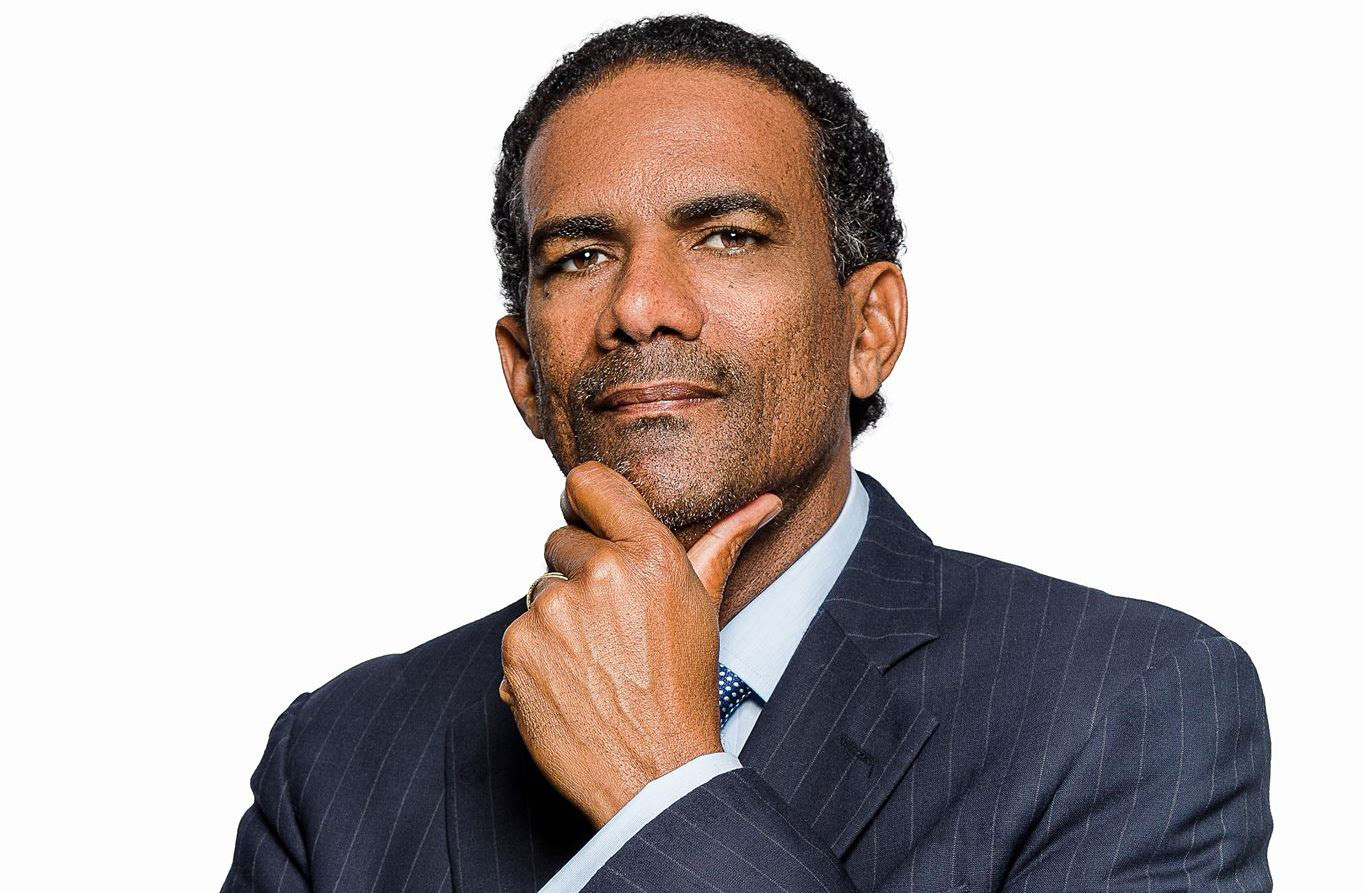
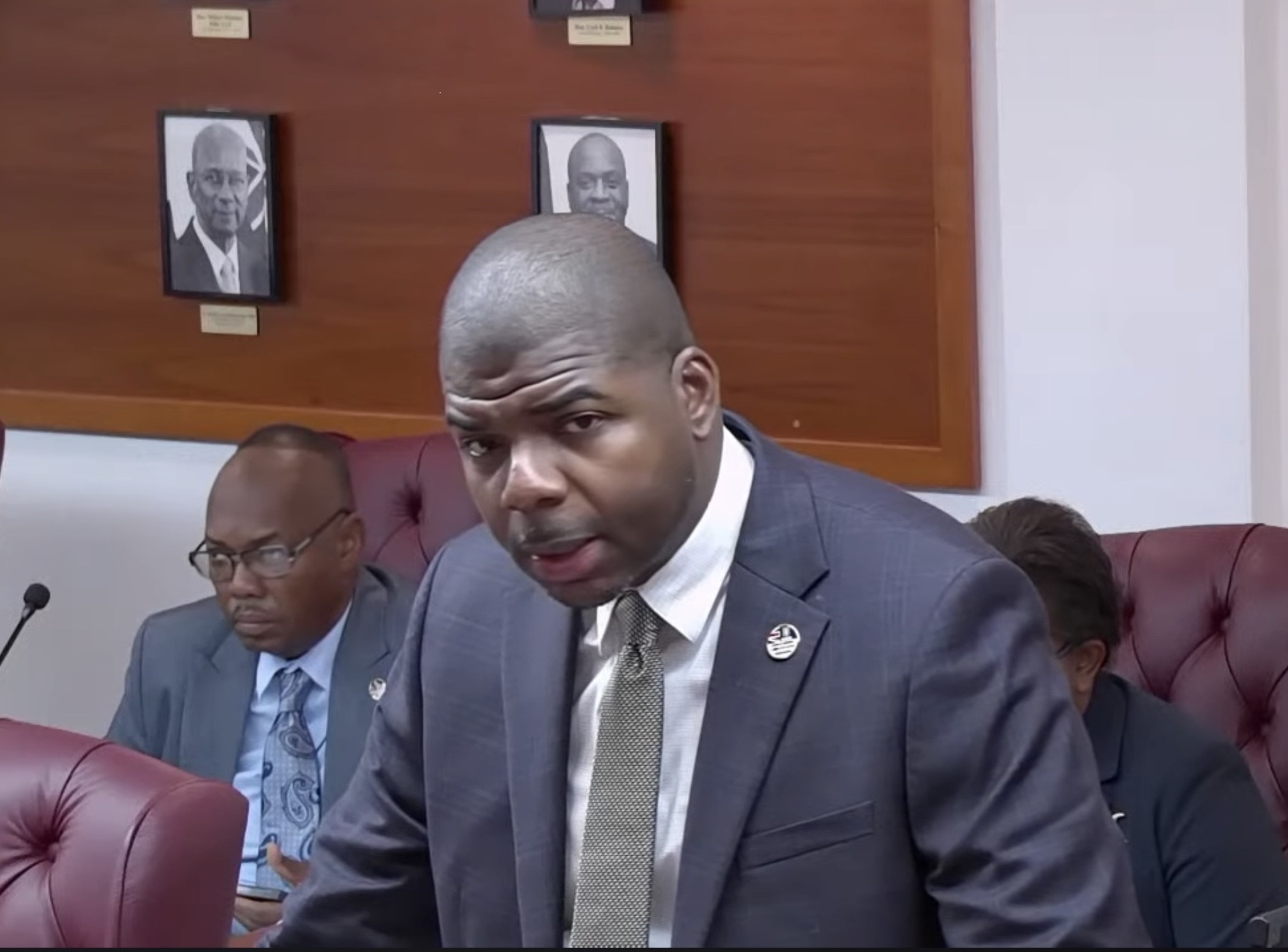
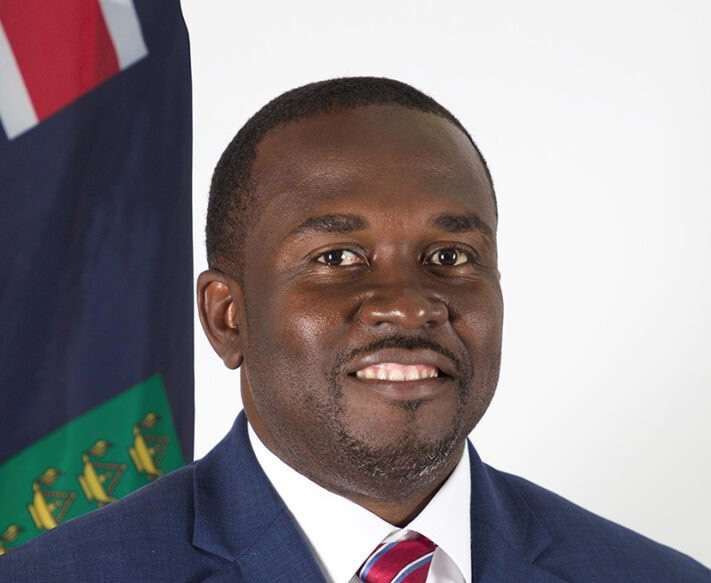
However, the recent political realignments have left the Opposition divided evenly into two camps: one comprising District Representative Honourable Myron V. Walwyn and District Two Representative Honourable Melvin “Mitch” Turnbull, and the other consisting of National Democratic Party (NDP) members Ronnie W. Skelton and Marlon Penn. This split raises the critical question of who currently commands the confidence of the majority of opposition members.
This deadlock presents a potential challenge to Walwyn’s position as Leader of the Opposition. Should the NDP faction, led by Skelton and Penn, consolidate support, they could seek to unseat Walwyn. Furthermore, the Constitution grants the Governor discretion to appoint a Leader of the Opposition if no clear majority or recommendation emerges, making political maneuvering and public perception pivotal factors in the leadership’s future.
A Narrowed Opposition: From Informal Alliance to a Split Minority
Prior to Mather’s crossing, the Opposition consisted of an informal parliamentary grouping of three members—Walwyn, Turnbull, and Mather—alongside the NDP’s Skelton and Penn. This alliance held enough numbers to enable Walwyn to assume the Opposition leadership, replacing Skelton.
With Mather’s move to the Government benches, this parliamentary alliance is reduced to Walwyn and Turnbull, while the NDP counts Skelton and Penn among its members, leaving the Opposition evenly divided.
Mather’s Move: Political Strategy and Its Ripple Effects
Framed by Mather as a pragmatic step to expedite government efforts on workforce development and community empowerment, his crossing grants him greater access to resources and influence over key programmes such as RATED.
However, the move simultaneously fractures the Opposition at a critical juncture, weakening its parliamentary presence and disrupting established alliances. The dissolution of the Progressive Virgin Islands Movement (PVIM) and Skelton’s return to the NDP further complicate the Opposition’s evolving identity.
With elections potentially slated for late 2026 or early 2027, the Opposition’s internal divisions may hamper its ability to organize and present a cohesive alternative to the Government. Leadership contests may arise not only for the Leader of the Opposition role but also within and between party groupings.
The Walwyn-Turnbull parliamentary alliance must consider whether to forge new partnerships or solidify their stance against a revitalized NDP. Conversely, the NDP faces the task of the integration of Skelton’s return while asserting itself as the principal opposition force.
Ultimately, the Opposition’s viability hinges on overcoming fragmentation, developing clear policy positions, and regaining public trust—all while navigating constitutional provisions that shape parliamentary leadership.
Honourable Stacy Mather’s floor crossing has caused significant shifts in the Opposition’s structure, testing the resilience of both informal alliances and formal parties. For the Opposition, these changes pose both a challenge and an opportunity: to redefine itself as an effective counterbalance or risk marginalization ahead of the next general election.