

International
UK Continuing To Collaborate with Overseas Territories To Establish Publicly Accessible Registers

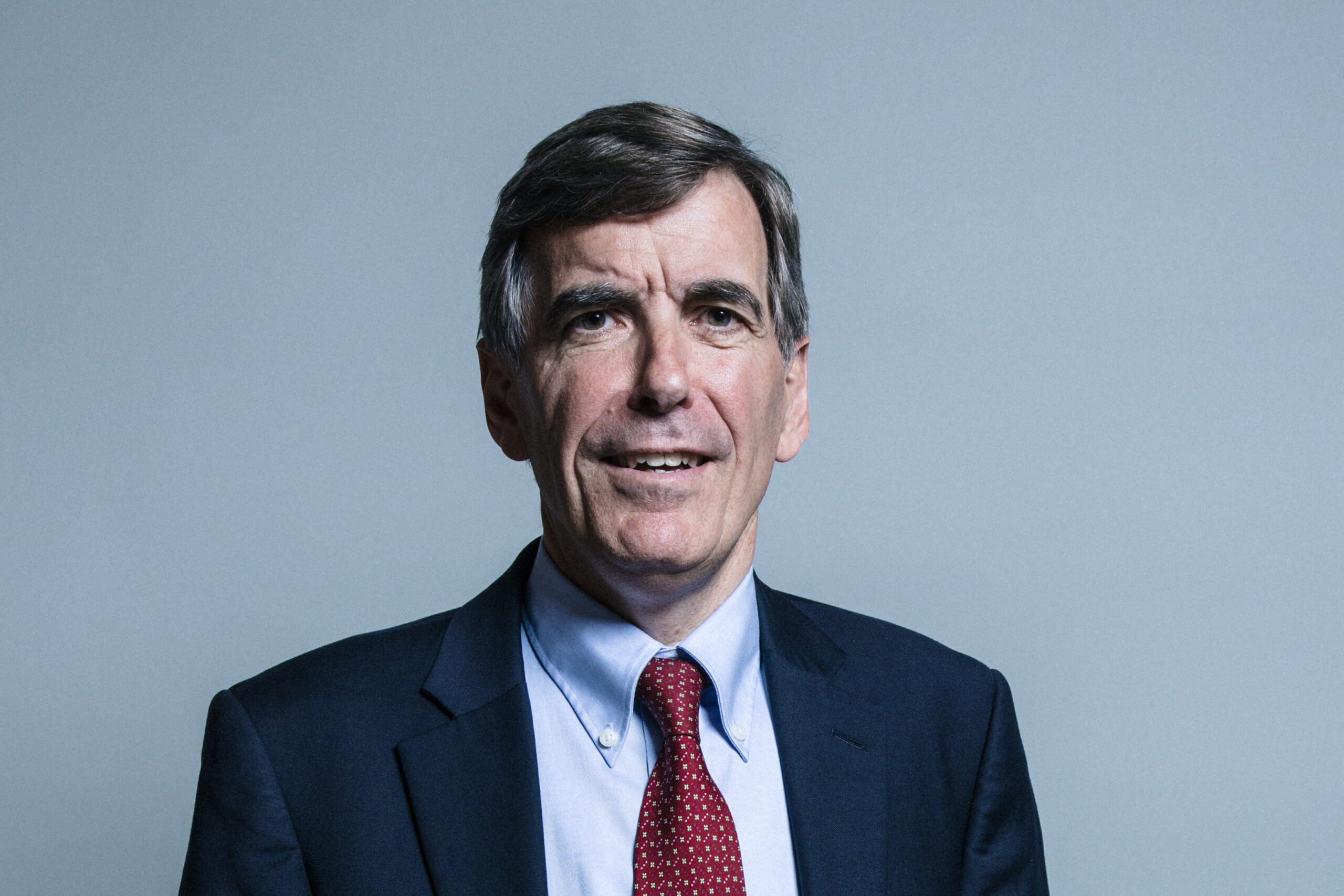
Labour MP Raises Questions in Parliament Regarding Compliance with Sanctions and Anti-Money Laundering Act
The Parliamentary Under-Secretary for HM Treasury and the Foreign, Commonwealth, and Development Office David Rutley has informed the United Kingdom Parliament that the government is working with Overseas Territories to establish publicly accessible registers in line with the Sanctions and Anti-Money Laundering Act.
“We continue to keep the Order in Council under review and continue to work with the Governments of the Overseas Territories to implement publicly accessible registers of beneficial ownership,” the Assistant Whip told Parliament on November 17, in response to a query from Labour Parliamentarian Margaret Hodge.
Hodge’s inquiry was aimed at the Secretary of State for Foreign, Commonwealth, and Development Affairs, seeking details on the adherence of the UK’s overseas territories to the Sanctions and Anti-Money Laundering Act of 2018.
It was centred on whether the Secretary of State intended to reassess the decision not to lay the Order in Council, a document crafted to fulfill the requirements stipulated in section 51 of the Sanctions and Anti-Money Laundering Act 2018. This legislative provision plays a crucial role in combating illicit financial activities and promoting transparency in the United Kingdom’s financial landscape.
Rutley’s response indicates that the UK government is actively working with Overseas Territories, including the British Virgin Islands, whose economies heavily rely on the financial services sector.
The UK government has publicly declared its commitment to addressing concerns regarding financial transparency and combating money laundering. There is ongoing scrutiny of the Order in Council, a government-used legal tool, to assess its potential impact on establishing publicly accessible registers of beneficial ownership.
The registers will list the true owners of companies and assets, contributing to the global fight against corruption and illicit financial activities.
Legislators in the British Virgin Islands are closely observing the progress of the Order review
International
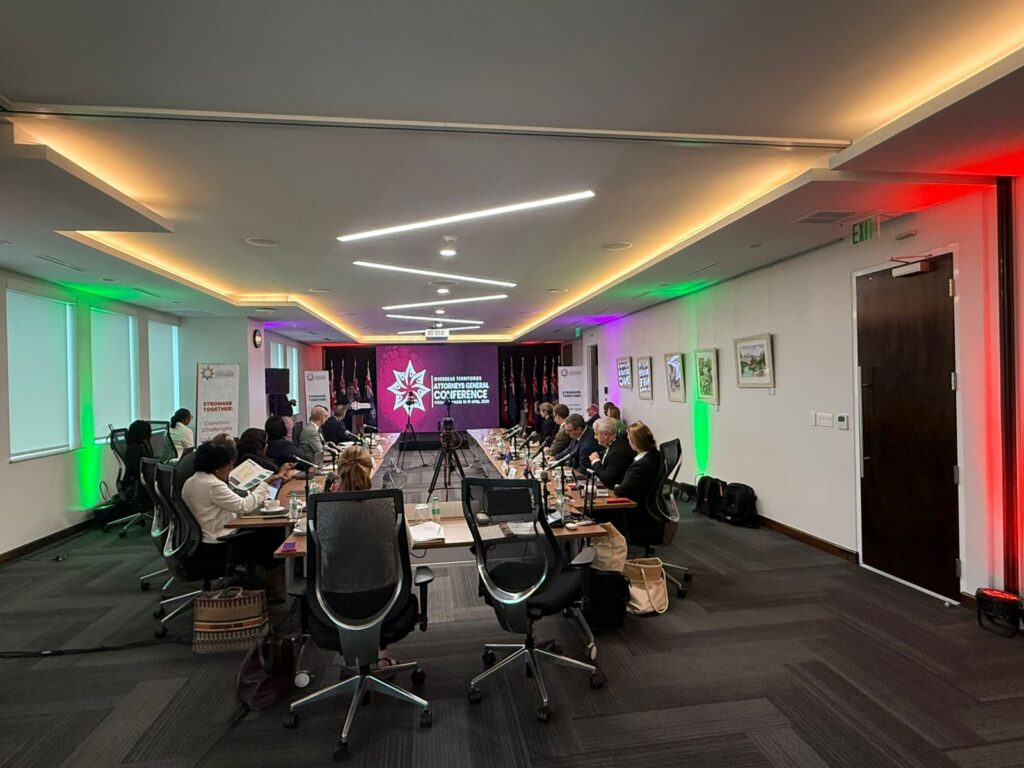
Wheatley Calls for Stronger Regional Cooperation at Overseas Territories Attorneys General Conference
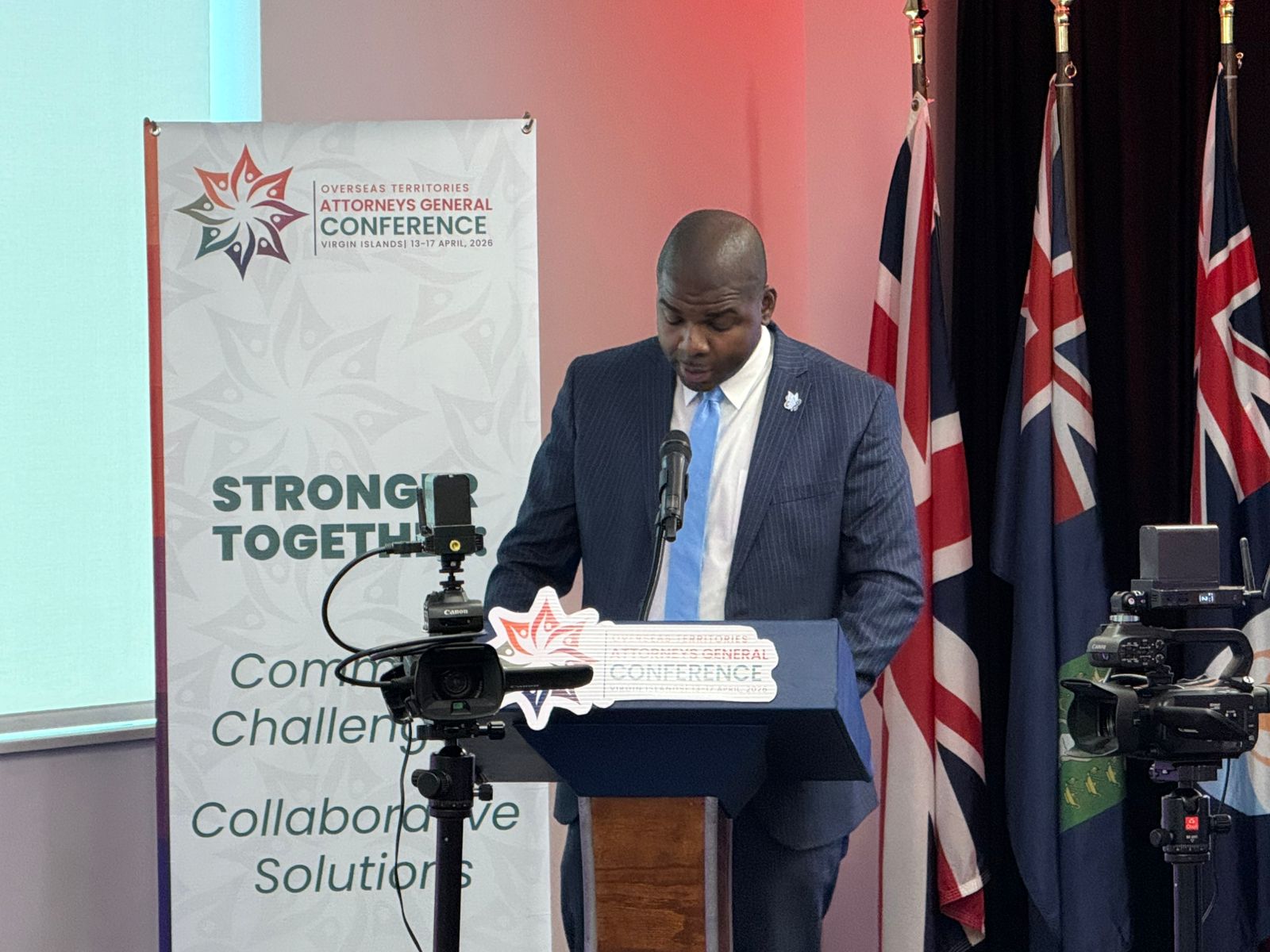
Premier Hon. Dr. Natalio D. Wheatley said stronger collaboration among Overseas Territories is essential to addressing shared legal and governance challenges, as he opened the Overseas Territories Attorneys General Conference in the Virgin Islands.
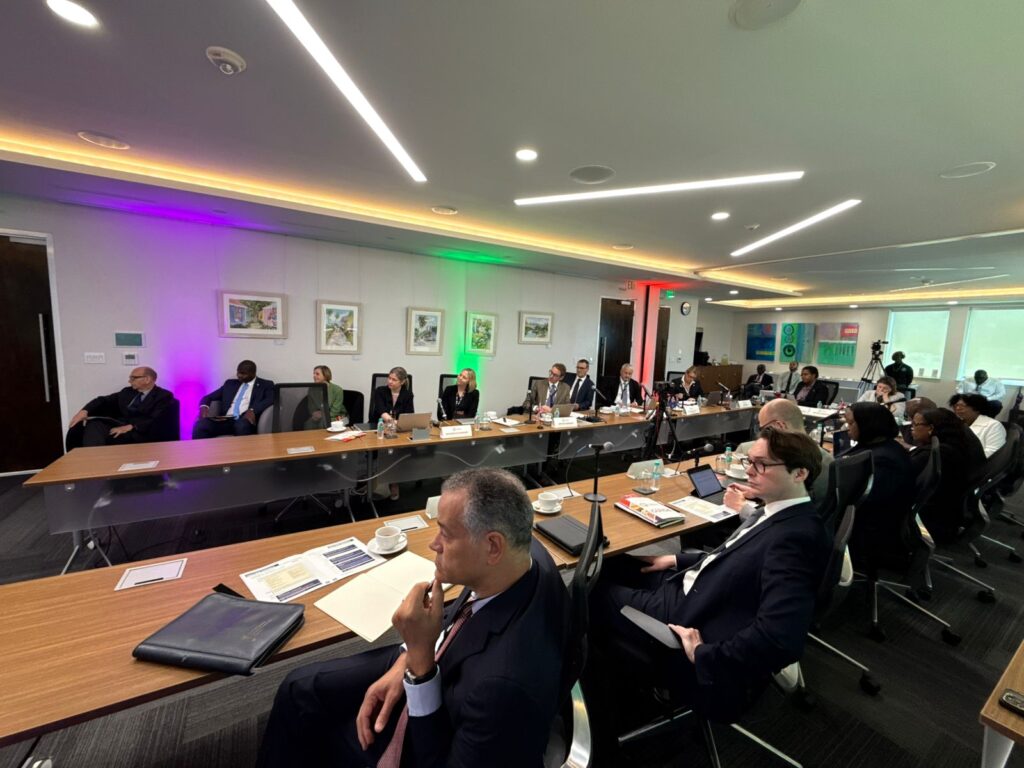
The two-day conference, which began on Tuesday, April 14, brings together Madam Chair, attorneys general and delegates from across the Overseas Territories to examine issues including human rights, transnational crime, illicit finance and sanctions, disaster preparedness and recovery, maritime boundaries, sustainable development and the use of technology in crime and justice systems.
“These are not theoretical concerns,” Premier Wheatley said. “They are real, urgent matters that affect the stability, security, and prosperity of each of our jurisdictions.”
The premier said the conference’s theme, “Stronger Together: Common Challenges, Collaborative Solutions,” reflects the need for coordinated responses to issues that extend across jurisdictions while recognizing differences in legal and constitutional systems.
“While our challenges may be similar and our objectives aligned, our contexts are not identical,” he said. “One-size-fits-all responses rarely succeed. What does succeed is the willingness to learn from one another.”
He said the exchange of experience and expertise among territories can improve legal systems and strengthen collective resilience.
“When we collaborate, we elevate the quality of our legal systems. When we share best practices, we strengthen our collective resilience,” Premier Wheatley said.
The conference will focus on strengthening cooperation and developing practical approaches to common legal and governance issues across participating territories.
International
U.N. Declares Enslavement of Africans ‘Gravest Crime Against Humanity’ in Vote Backed by Caribbean Nations
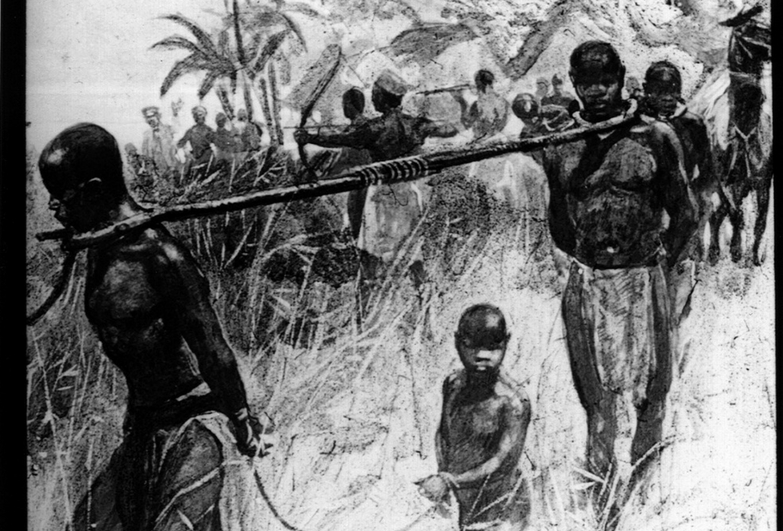
The United Nations General Assembly on March 25 voted 123 to 3 to adopt a resolution declaring the transatlantic enslavement of Africans the “gravest crime against humanity,” a measure strongly backed by the Caribbean Community (CARICOM) and African states, with the United States, Israel and Argentina voting against it.
The resolution, introduced by Ghana with support from CARICOM nations, calls for reparatory justice measures, including formal apologies, the return of cultural artifacts and further discussion on compensation for the descendants of enslaved Africans. Caribbean governments have long advocated for international recognition of the enduring social and economic consequences of slavery, framing the issue as central to regional development.
Several European countries, including the United Kingdom, along with members of the European Union, abstained during the vote, citing concerns about potential legal implications and language that could be interpreted as assigning hierarchy among historical atrocities.
While the resolution is nonbinding, Caribbean leaders and regional organizations have described the outcome as a significant step in advancing global acknowledgment of slavery’s impact and strengthening ongoing calls for reparatory justice. CARICOM has been at the forefront of these efforts through its Reparations Commission, which has outlined a framework seeking redress from former colonial powers.
The United States, which opposed the resolution, raised concerns about applying contemporary legal standards to historical actions and cautioned against measures that could create divisions in the interpretation of crimes against humanity.
The vote coincided with the International Day of Remembrance of the Victims of Slavery and the Transatlantic Slave Trade, underscoring longstanding advocacy by Caribbean and African nations to place the legacy of slavery at the center of international discourse on justice and development.
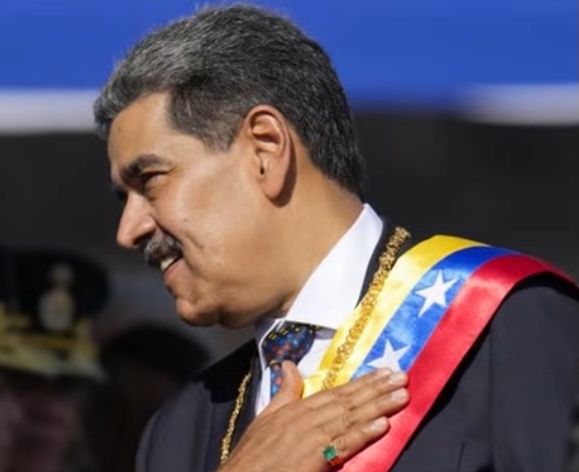
The United States has announced that Venezuelan President Nicolás Maduro is under indictment on federal drug trafficking and narco-terrorism charges, formally asserting that the Venezuelan leader faces criminal prosecution in U.S. courts.
The announcement, made amid sharply escalating tensions between Washington and Caracas, confirms that Maduro is accused of conspiring to flood the United States with cocaine in coordination with armed groups and corrupt officials. U.S. prosecutors allege that Maduro played a central role in a criminal enterprise that used Venezuela as a key transit hub for narcotics destined for American cities.
The case remains pending in U.S. federal court, with American officials saying the indictment will stand until Maduro appears before a judge.

Rising Costs Will Intensify, Skelton Cline Warns as He Suggests Emergency Measures
Coronavirus disease 2019
888sport Acca Pub! Teljesen ingyenes játékforrások, választékok és előrejelzések









-

 Local News12 hours ago
East Winds Take Top Spot in BVIFA Under-14 Youth League After Week 3
-
 Crime/Police12 hours ago
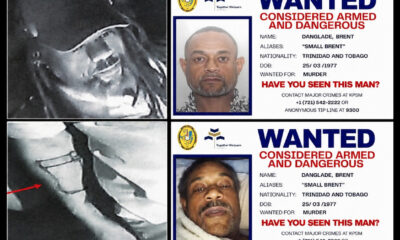
Small Brent” Wanted in VI Murder Case Now Named in Sint Maarten Double Homicide Probe
-
 Health12 hours ago
BVI Monitors Cruise Ship Hantavirus Outbreak; Health Minister Says Local Risk Remains Low
-
 Local News12 hours ago
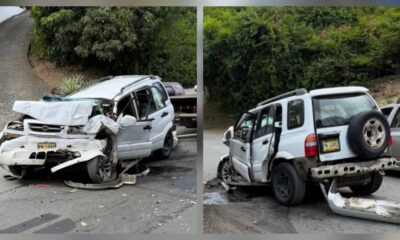
Man Seriously Injured in Two-Vehicle Crash at Sea Cows Bay
-
 Entertainment12 hours ago
64 Nominees Announced for 2026 Virgin Islands Icon Awards
-
 Education12 hours ago
TVET Week 2026 Highlights Skills Training as Key to BVI’s Future
-

 Local News12 hours ago
Winston Bolus League Opens With Wins for Relentless and Run It Up
-

 Local News12 hours ago
Nick Spizzirri Wins EMCs Tortola Classics Title After Five-Game Final