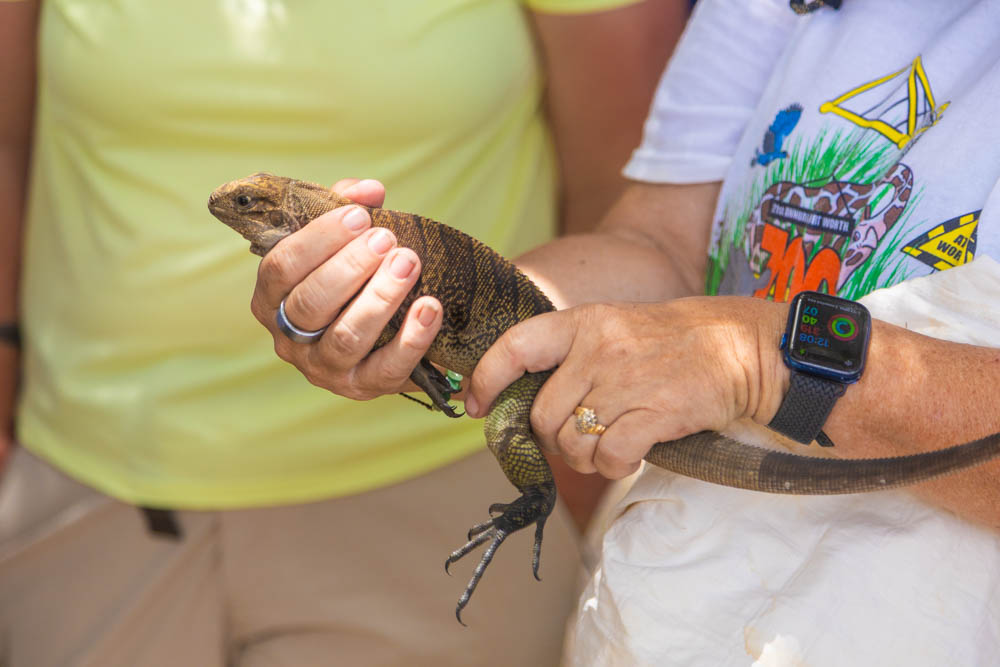

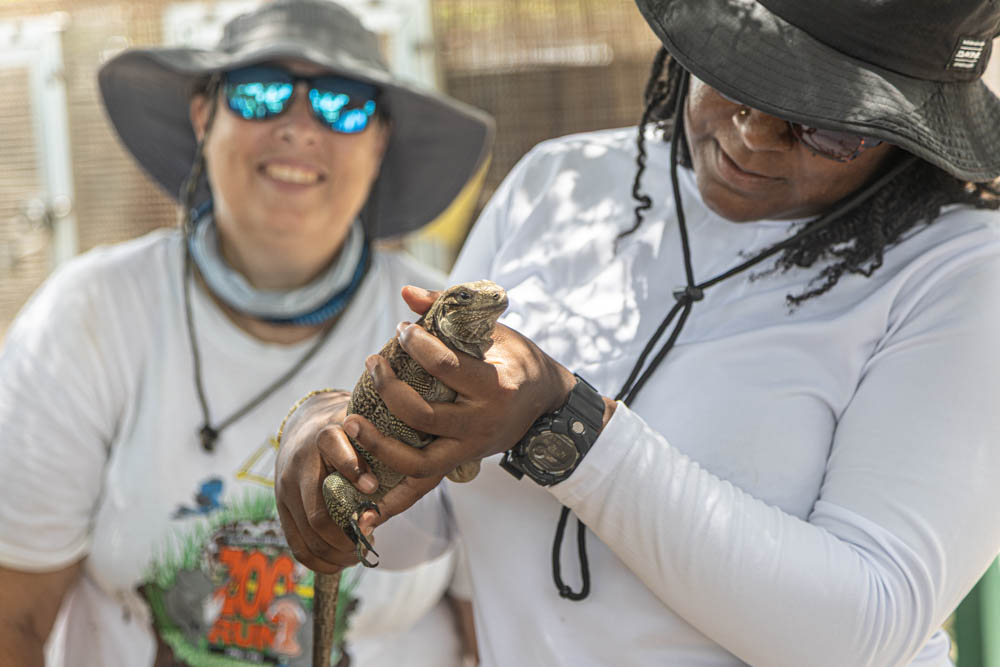
The critically endangered Anegada Rock Iguana is showing signs of recovery through a long-running conservation initiative led by Kelly Bradley of the Fort Worth Zoo in partnership with the National Parks Trust of the Virgin Islands.
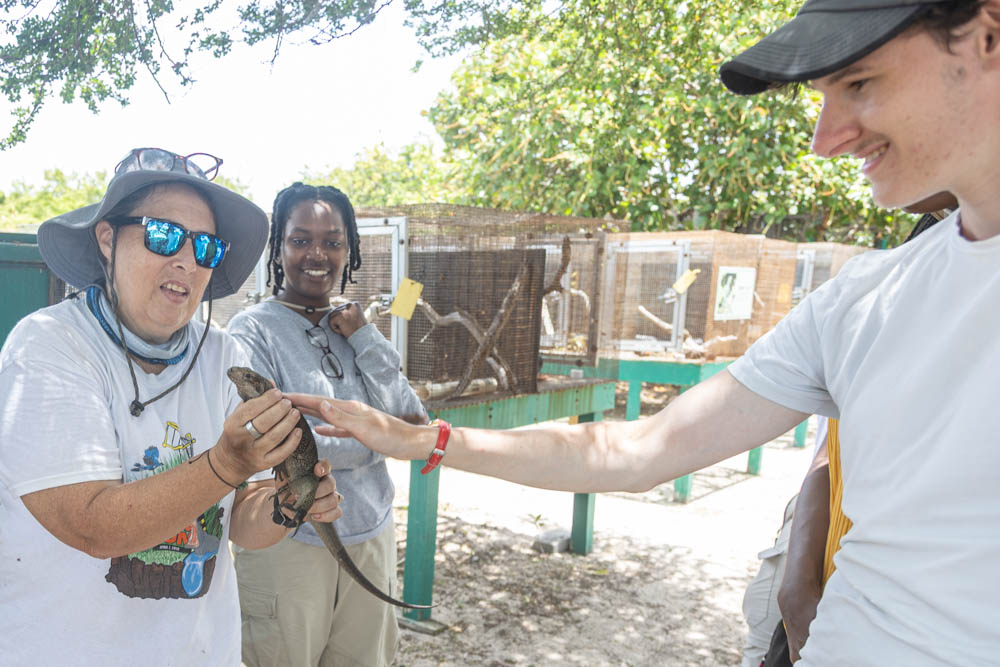
Bradley has been with the program since 2001, focusing on strategies to protect the species, whose original population was on Anegada. One of the central methods has been “headstarting,” where hatchlings are collected from the wild and raised in protected facilities until they are large enough to survive threats such as predation by feral cats. Conservation officials report that the approach has improved survival rates.
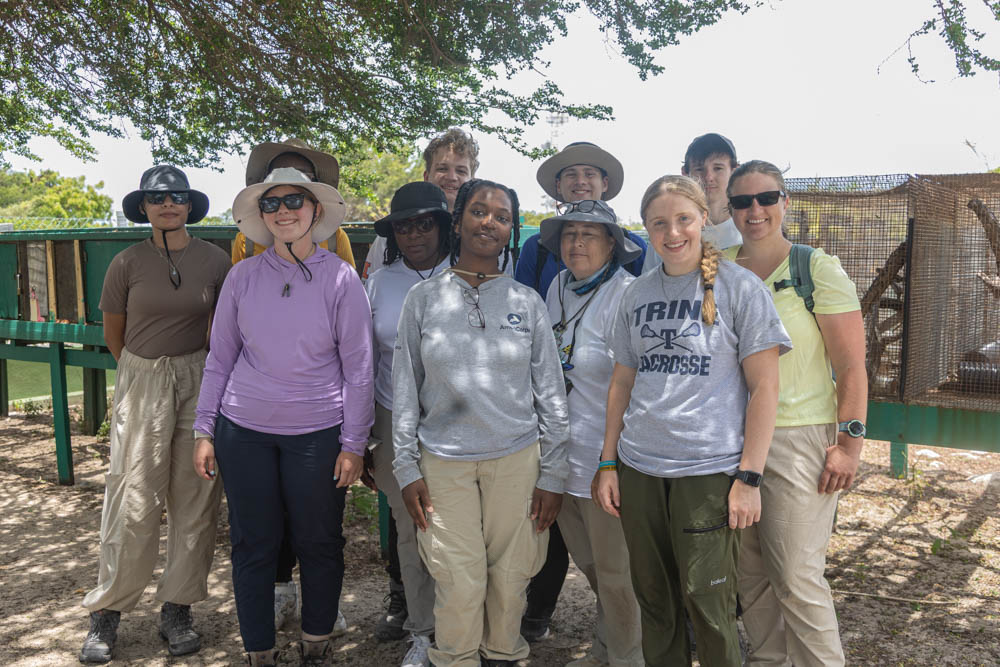
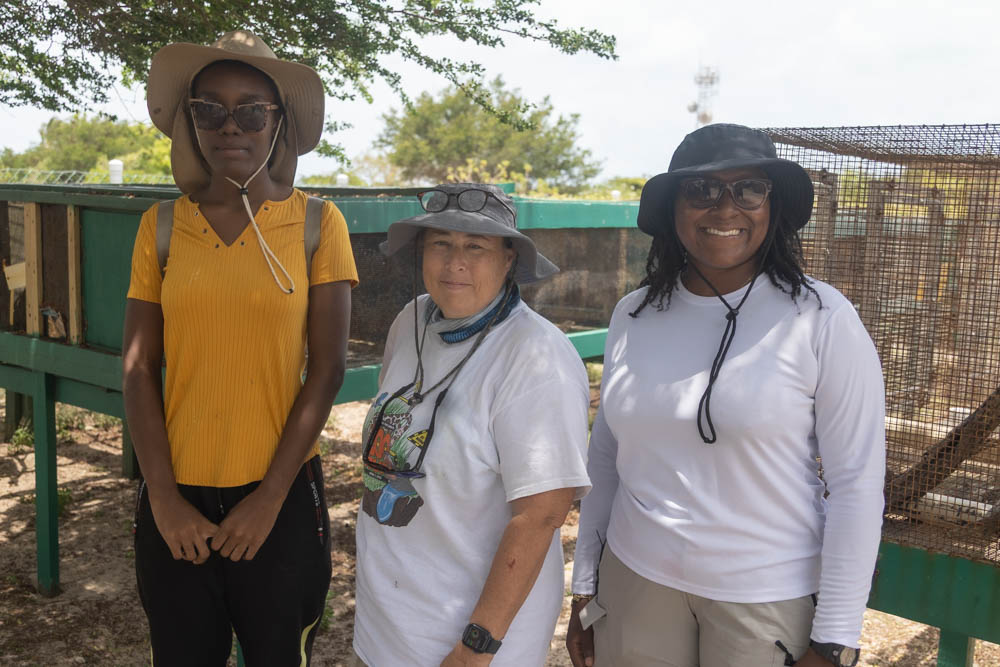
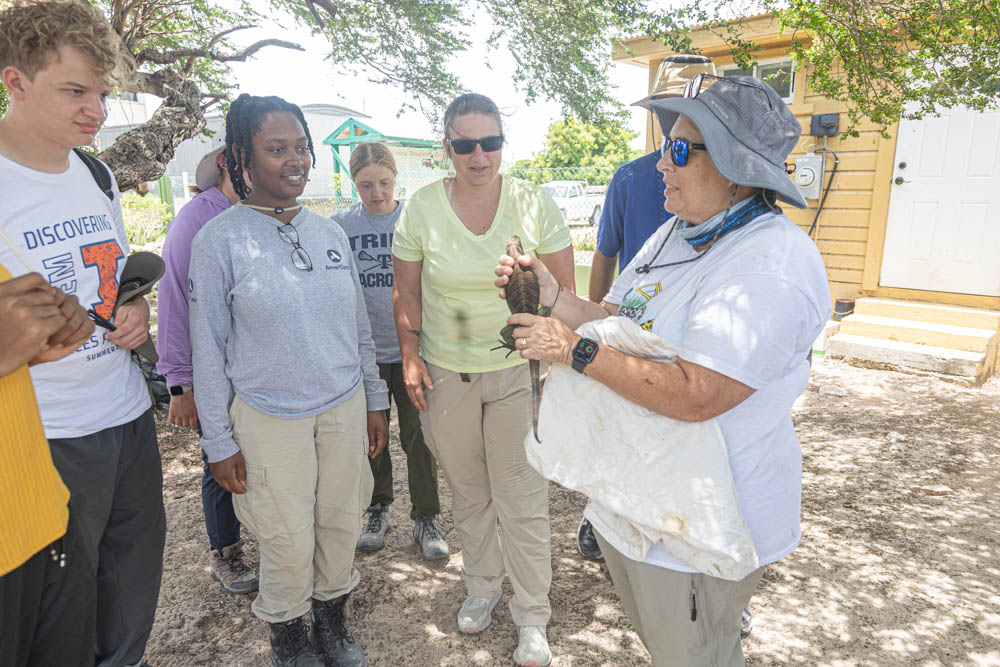
In a recent project, Bradley worked alongside students from the United States and the Virgin Islands to introduce them to conservation techniques. The participants assisted with fieldwork including nest surveys, marking and tracking iguanas, monitoring feral animals, and collecting data.
Officials said the involvement of students underscores the importance of education and international collaboration in conservation. “These collaborative efforts exemplify how science and teamwork can drive species recovery,” the National Parks Trust of the Virgin Islands said in a statement.
The Anegada Rock Iguana, known scientifically as Cyclura pinguis, is listed as critically endangered, with only a few hundred individuals remaining in the wild. Conservation groups continue to emphasize the need for habitat protection and control of invasive species to support long-term recovery.