International
UK’s Grip on BVI Under Scrutiny as UN Calls for Decolonisation
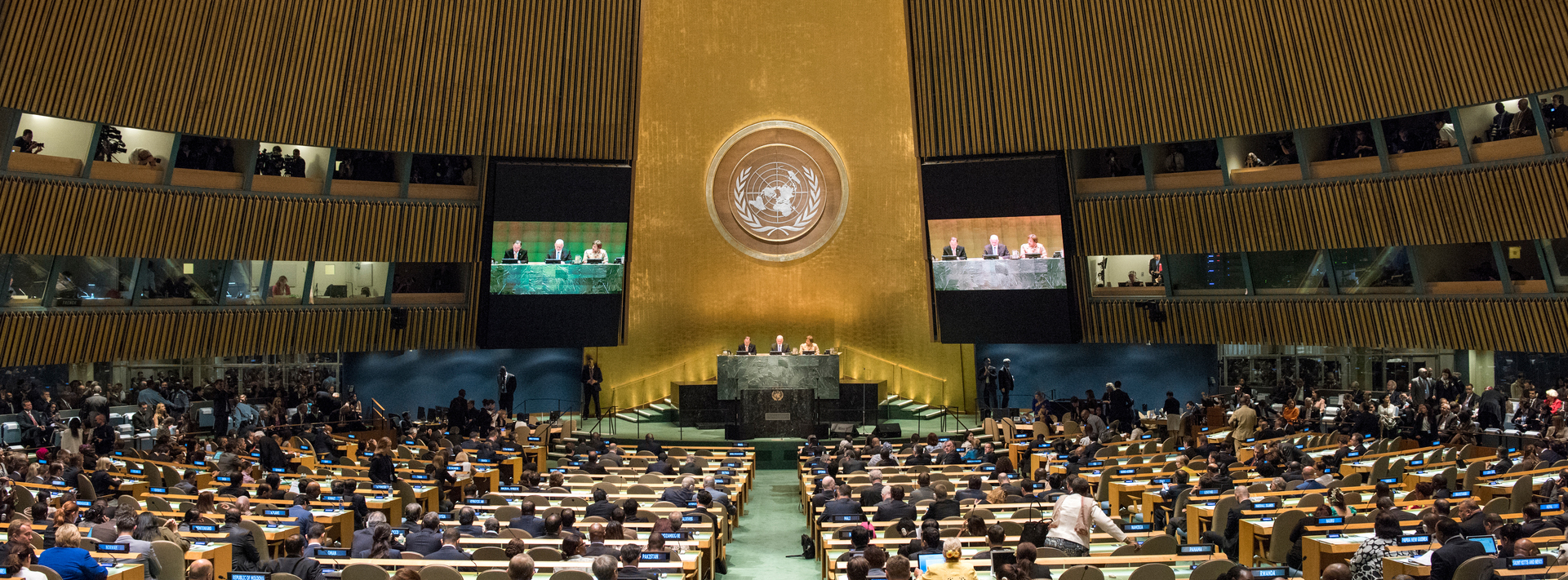
The United Nations has released the official report of the UN Special Committee on Decolonisation’s visiting mission to the British Virgin Islands (BVI), conducted from 26-27 August 2024. The mission assessed the Territory’s progress towards decolonisation and gathered insights from the population on the next steps towards self-governance and independence.
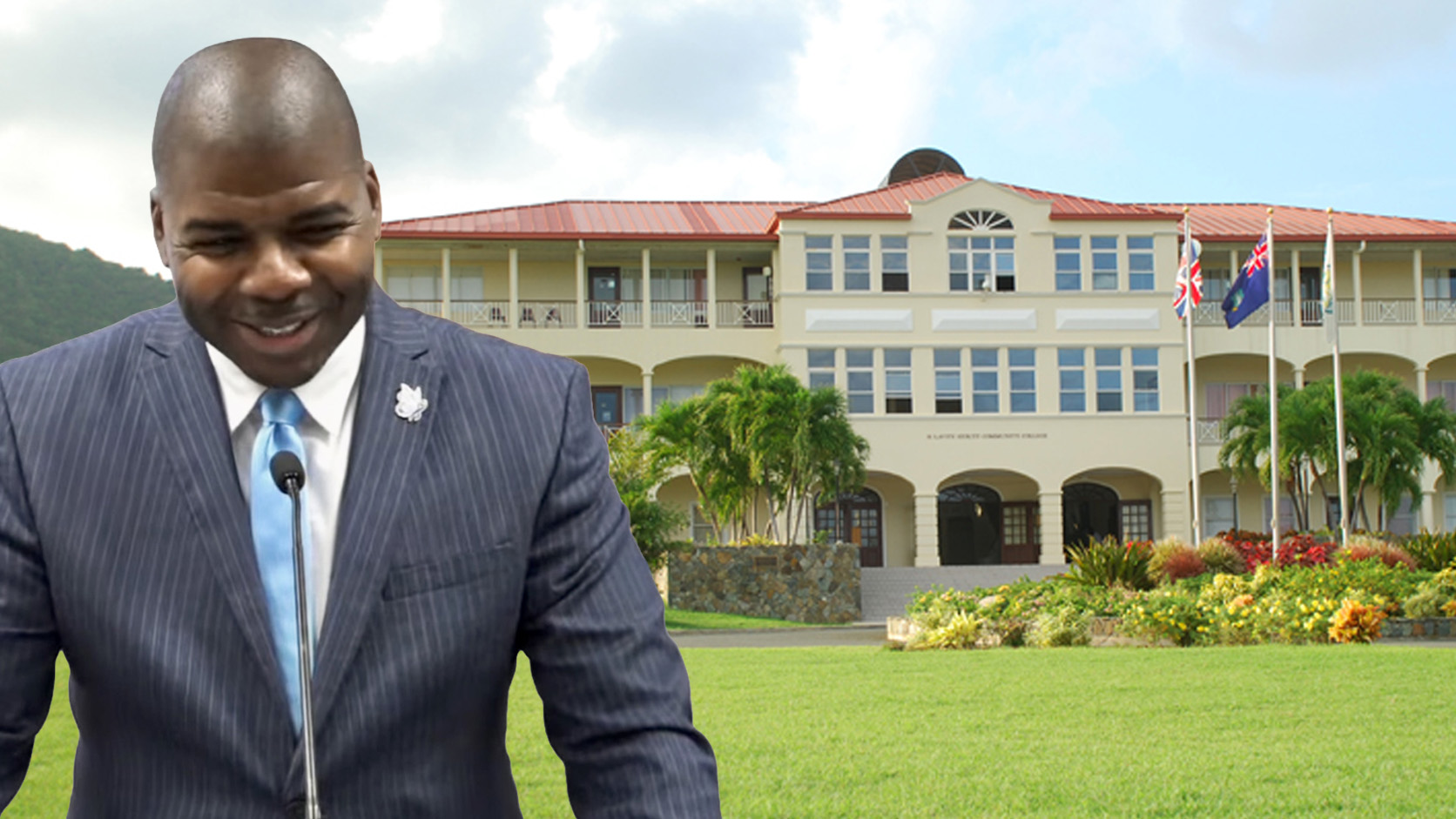
Premier Natalio D. Wheatley acknowledged the report’s findings in a statement on February 6, welcoming its recommendations. Key proposals include implementing a national education programme on the path to independence, establishing a timetable for self-governance, engaging in discussions with the United Kingdom (UK) as the administering power, and evaluating the need for a referendum on independence. The Premier confirmed that the report would be presented before the House of Assembly for debate within the framework of the constitutional review process and that public consultations would be held on its findings.
The mission, the first of its kind in 48 years, was met with broad engagement from government officials, residents, and representatives of the UK. It identified three central themes: the need for greater public education on decolonisation and self-determination, the preservation of cultural identity and values, and the role of human capacity in ensuring economic and social resilience.
The mission reported that while the people of the BVI remain determined about their future political status, further dialogue is necessary to build trust among the people, their leaders, and the UK government. Emphasising the fundamental principle of self-determination as outlined in the UN Charter, the report highlights the importance of inclusivity, particularly among young people and women, in shaping the Territory’s future.

The report also noted progress in the constitutional review process and the implementation of recommendations from the 2021 UK-led Commission of Inquiry. However, concerns were raised regarding the UK’s continued influence over the Territory’s governance, economy, and social policies, including regulations affecting the financial services sector and social issues such as same-sex marriage. While some viewed the Commission of Inquiry as an imposition of colonial oversight, others acknowledged improvements in public administration as a result.
The mission recognised increasing public support for independence but noted that a clear process and timeline remain undefined. Achieving independence, it stated, requires strong political institutions, economic sustainability, and infrastructure development. Key recommendations for the BVI’s transition include:
- Strengthening national institutions, particularly in security and economic management;
- Investing in infrastructure, including healthcare, education, and disaster resilience;
- Pursuing international partnerships for technical and financial support;
- Enhancing public communication to foster national unity;
- Implementing long-term development plans with periodic progress reviews;
- Establishing a transition period, with continued UN oversight to ensure preparedness.
The UN emphasised that cooperation between the BVI, the UK, and the international community will be essential in navigating this process. Lessons from other nations that have undergone decolonisation should also be considered to facilitate a smooth transition.
As the Fourth International Decade for the Eradication of Colonialism progresses, the report calls for concrete steps towards self-determination. These include a structured education programme on independence, a defined timeline for self-governance, continued negotiations with the UK—potentially with a UN-appointed arbitrator—and a possible referendum, should public consensus support it.
With the report set for parliamentary debate and public consultations, the coming months are expected to shape the next phase of the British Virgin Islands’ decolonisation journey. The level of engagement from the UK government and the broader international community will be pivotal in determining the Territory’s future political status.
International
Wheatley Calls for Stronger Regional Cooperation at Overseas Territories Attorneys General Conference
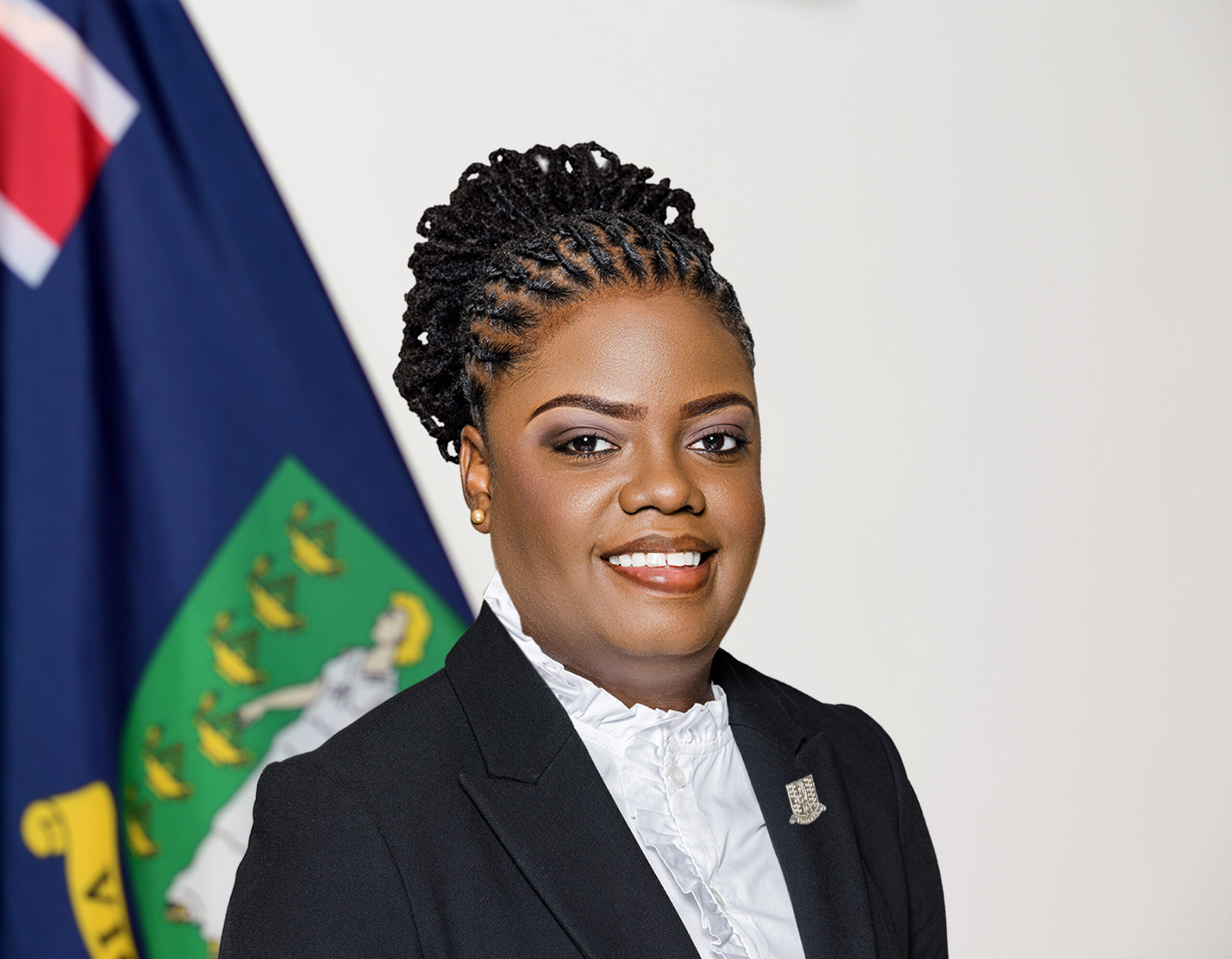
Premier Hon. Dr. Natalio D. Wheatley said stronger collaboration among Overseas Territories is essential to addressing shared legal and governance challenges, as he opened the Overseas Territories Attorneys General Conference in the Virgin Islands.
The two-day conference, which began on Tuesday, April 14, brings together Madam Chair, attorneys general and delegates from across the Overseas Territories to examine issues including human rights, transnational crime, illicit finance and sanctions, disaster preparedness and recovery, maritime boundaries, sustainable development and the use of technology in crime and justice systems.
“These are not theoretical concerns,” Premier Wheatley said. “They are real, urgent matters that affect the stability, security, and prosperity of each of our jurisdictions.”
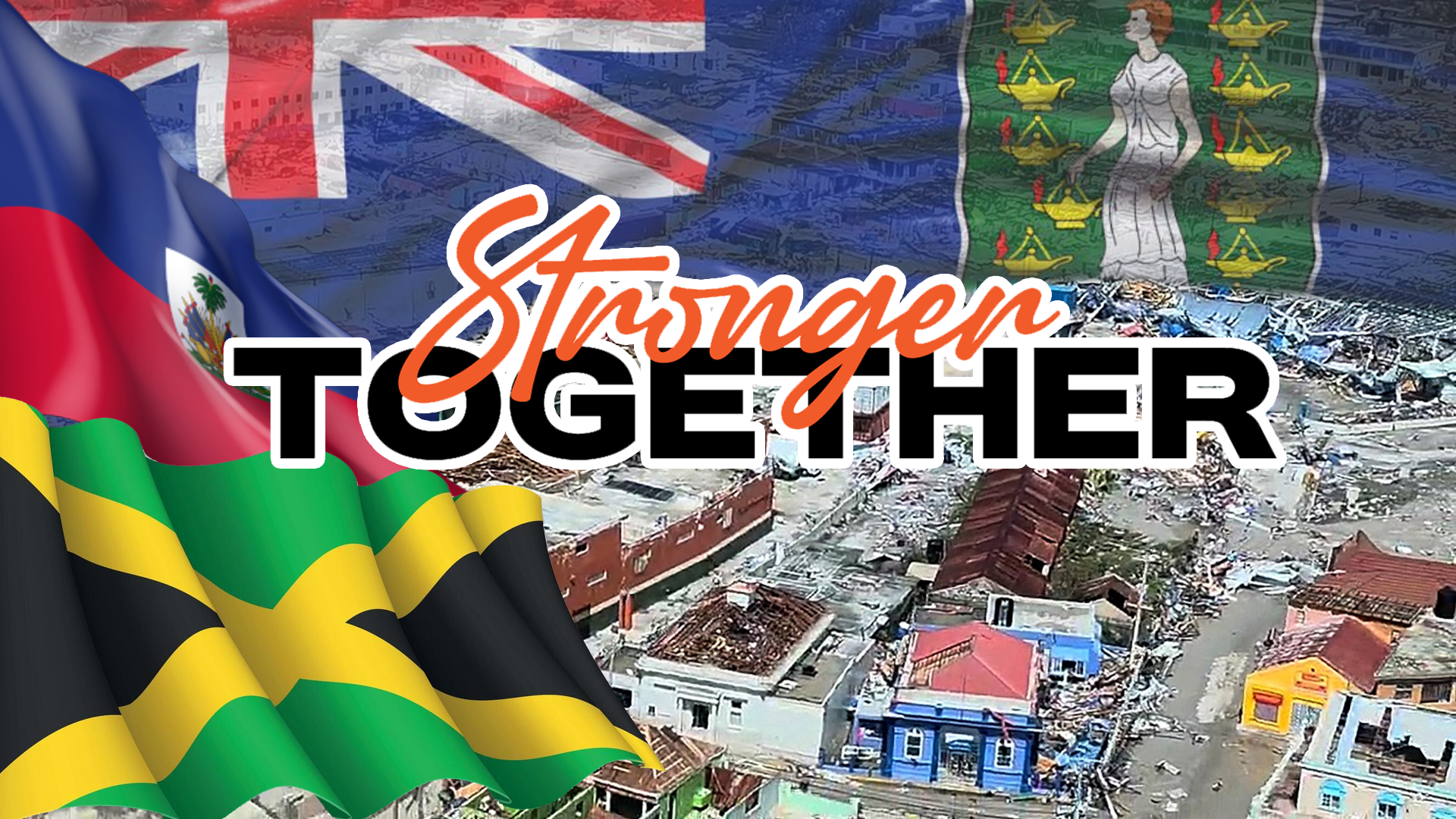
The premier said the conference’s theme, “Stronger Together: Common Challenges, Collaborative Solutions,” reflects the need for coordinated responses to issues that extend across jurisdictions while recognizing differences in legal and constitutional systems.
“While our challenges may be similar and our objectives aligned, our contexts are not identical,” he said. “One-size-fits-all responses rarely succeed. What does succeed is the willingness to learn from one another.”
He said the exchange of experience and expertise among territories can improve legal systems and strengthen collective resilience.
“When we collaborate, we elevate the quality of our legal systems. When we share best practices, we strengthen our collective resilience,” Premier Wheatley said.
The conference will focus on strengthening cooperation and developing practical approaches to common legal and governance issues across participating territories.

International
U.N. Declares Enslavement of Africans ‘Gravest Crime Against Humanity’ in Vote Backed by Caribbean Nations
The United Nations General Assembly on March 25 voted 123 to 3 to adopt a resolution declaring the transatlantic enslavement of Africans the “gravest crime against humanity,” a measure strongly backed by the Caribbean Community (CARICOM) and African states, with the United States, Israel and Argentina voting against it.
The resolution, introduced by Ghana with support from CARICOM nations, calls for reparatory justice measures, including formal apologies, the return of cultural artifacts and further discussion on compensation for the descendants of enslaved Africans. Caribbean governments have long advocated for international recognition of the enduring social and economic consequences of slavery, framing the issue as central to regional development.
Several European countries, including the United Kingdom, along with members of the European Union, abstained during the vote, citing concerns about potential legal implications and language that could be interpreted as assigning hierarchy among historical atrocities.
While the resolution is nonbinding, Caribbean leaders and regional organizations have described the outcome as a significant step in advancing global acknowledgment of slavery’s impact and strengthening ongoing calls for reparatory justice. CARICOM has been at the forefront of these efforts through its Reparations Commission, which has outlined a framework seeking redress from former colonial powers.
The United States, which opposed the resolution, raised concerns about applying contemporary legal standards to historical actions and cautioned against measures that could create divisions in the interpretation of crimes against humanity.
The vote coincided with the International Day of Remembrance of the Victims of Slavery and the Transatlantic Slave Trade, underscoring longstanding advocacy by Caribbean and African nations to place the legacy of slavery at the center of international discourse on justice and development.
International
United States Announces Nicolás Maduro Is Indicted on Drug Trafficking Charges
The United States has announced that Venezuelan President Nicolás Maduro is under indictment on federal drug trafficking and narco-terrorism charges, formally asserting that the Venezuelan leader faces criminal prosecution in U.S. courts.
The announcement, made amid sharply escalating tensions between Washington and Caracas, confirms that Maduro is accused of conspiring to flood the United States with cocaine in coordination with armed groups and corrupt officials. U.S. prosecutors allege that Maduro played a central role in a criminal enterprise that used Venezuela as a key transit hub for narcotics destined for American cities.
The case remains pending in U.S. federal court, with American officials saying the indictment will stand until Maduro appears before a judge.
-
Crime/Police19 hours agoTarik Aaron Arrested on USVI Extradition Warrant
-
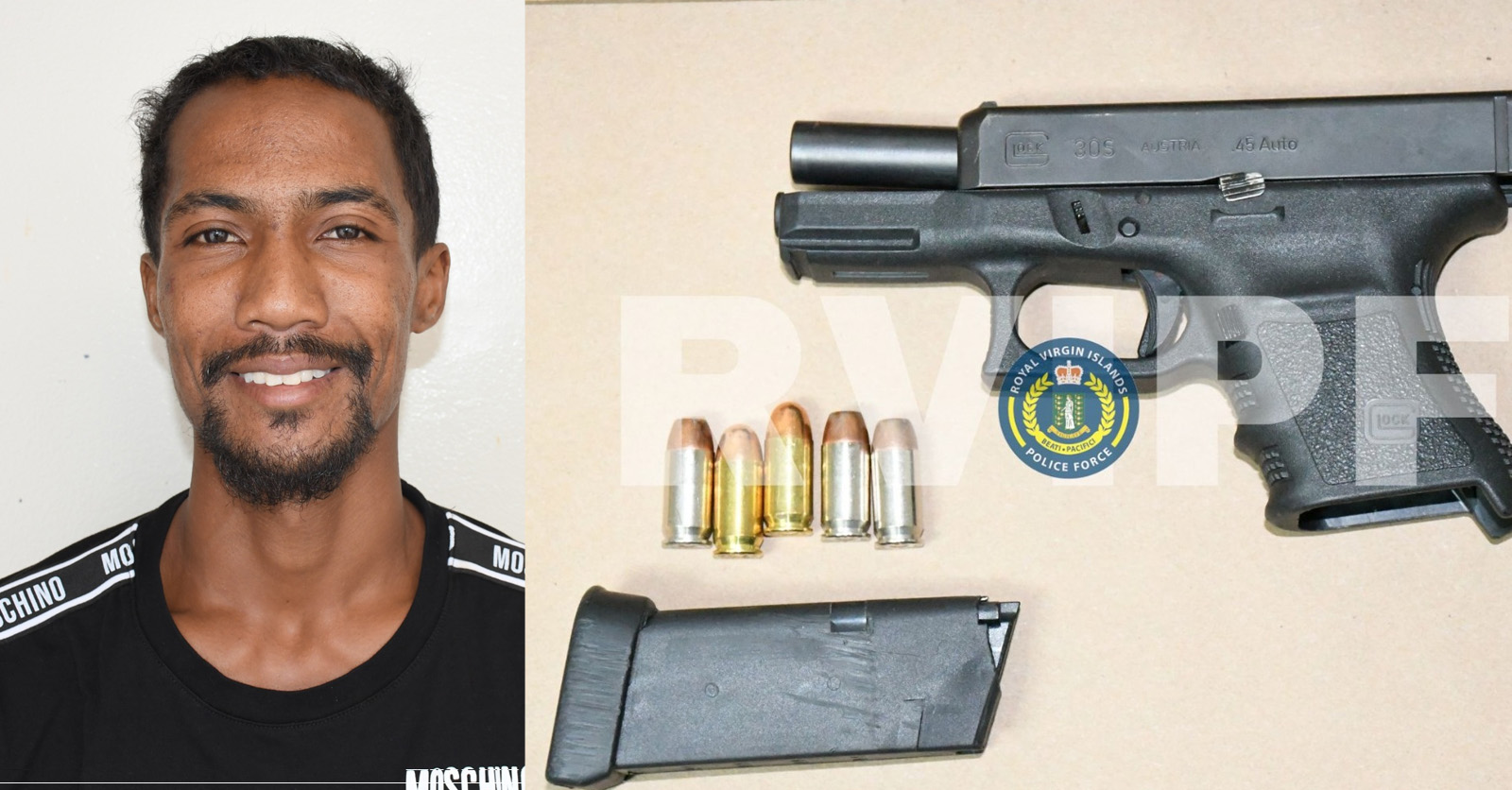
Crime/Police6 days agoTwo Men Arrested in Free Bottom After Police Recover Modified Firearm, Drugs and Ammunition
-
Elections 202320 hours agoHon. Wheatley Introduces Elections Amendment Bill in House of Assembly
-
Entertainment2 weeks agoMystiq Flax Charles Wins Best Look of the Night at Style Week Event
-
Local News20 hours agoCivil Registry Announces Increase in U.K. Passport Fees Effective April 8
-
Elections 20235 days agoWalters Elected NDP Vice President as Party Finalizes Leadership Team
-
Crime/Police1 week agoSix New Police Vehicles Added to RVIPF Fleet to Strengthen Operations
-
Entertainment2 weeks agoThree Contestants Confirmed for Miss Elegantly Plus Caribbean Queen Pageant in Tortola