Education
Virgin Islands Schools Introduce STEAM, Robotics, Chess, and Safeguarding Initiatives for 2025–2026
Public schools in the Virgin Islands have entered the 2025–2026 academic year with a slate of new classroom initiatives, including expanded science, technology, engineering, arts and mathematics (STEAM) instruction, robotics from secondary into primary grades, a redesigned science fair, the reintroduction of core values lessons, and the appointment of safeguarding leads on every campus.
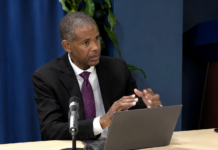
The changes were outlined during the Sept. 10 broadcast of Virgin Islands Voice, the government’s public engagement programme, by Minister for Education, Youth Affairs and Sports Sharie B. de Castro, Acting Permanent Secretary Claude Kettle, and Chief Education Officer Orlandette R. Crabbe.
De Castro said the ministry is advancing under the theme “Full STEAM Ahead: Future Focused, Student Led,” shifting daily instruction toward project-based learning and assessment. “We are moving from chalk and talk to doing and making,” she said, noting that students will be evaluated through demonstrations, presentations and real-world problem solving.
Robotics is being scaled across schools, with all Grade 7 students continuing in the STEAM Innovations course and new robotics and coding classes offered in Grades 10 and 11. Curriculum officials are preparing primary-level modules for later this year. The rollout, supported by private-sector partner Exness, has also led to scholarships for students pursuing technology-related study.
Chess has been paired with robotics as a tool for teaching strategy and confidence. Officials said schools are timetabling short, frequent sessions so that logical reasoning and planning become part of daily practice.
The science fair is returning in a new format that ties projects directly to territorial challenges. Students will be tasked with designing solutions for issues such as road conditions, water quality and energy reliability, with problem statements provided by agencies and nonprofits. Teachers will grade projects based on evidence, feasibility and presentation.
Schools have also relaunched a “Core Values Comeback” initiative, beginning with respect as the theme for September. Students will participate in classroom activities and schoolwide events designed to reinforce respect for self, others and property.
In addition, each school has designated a trained safeguarding lead, giving students a clear channel for reporting concerns. Consultant Kenroy Burke, who conducted summer training, said the initiative ensures “students know exactly whom to approach and what happens next.” Leads are trained in documentation and referral protocols, with posters and orientations outlining how students can reach them confidentially.
De Castro, Kettle and Crabbe said the measures are part of a broader curriculum review scheduled for completion in 2026. “Student voice and local relevance are at the center of what we’re building,” de Castro said. “The classroom pieces you’re seeing this term — STEAM projects, robotics, chess, the science fair, values and safeguarding — are the first mile markers.”
Education
TVET Week 2026 Highlights Skills Training as Key to BVI’s Future
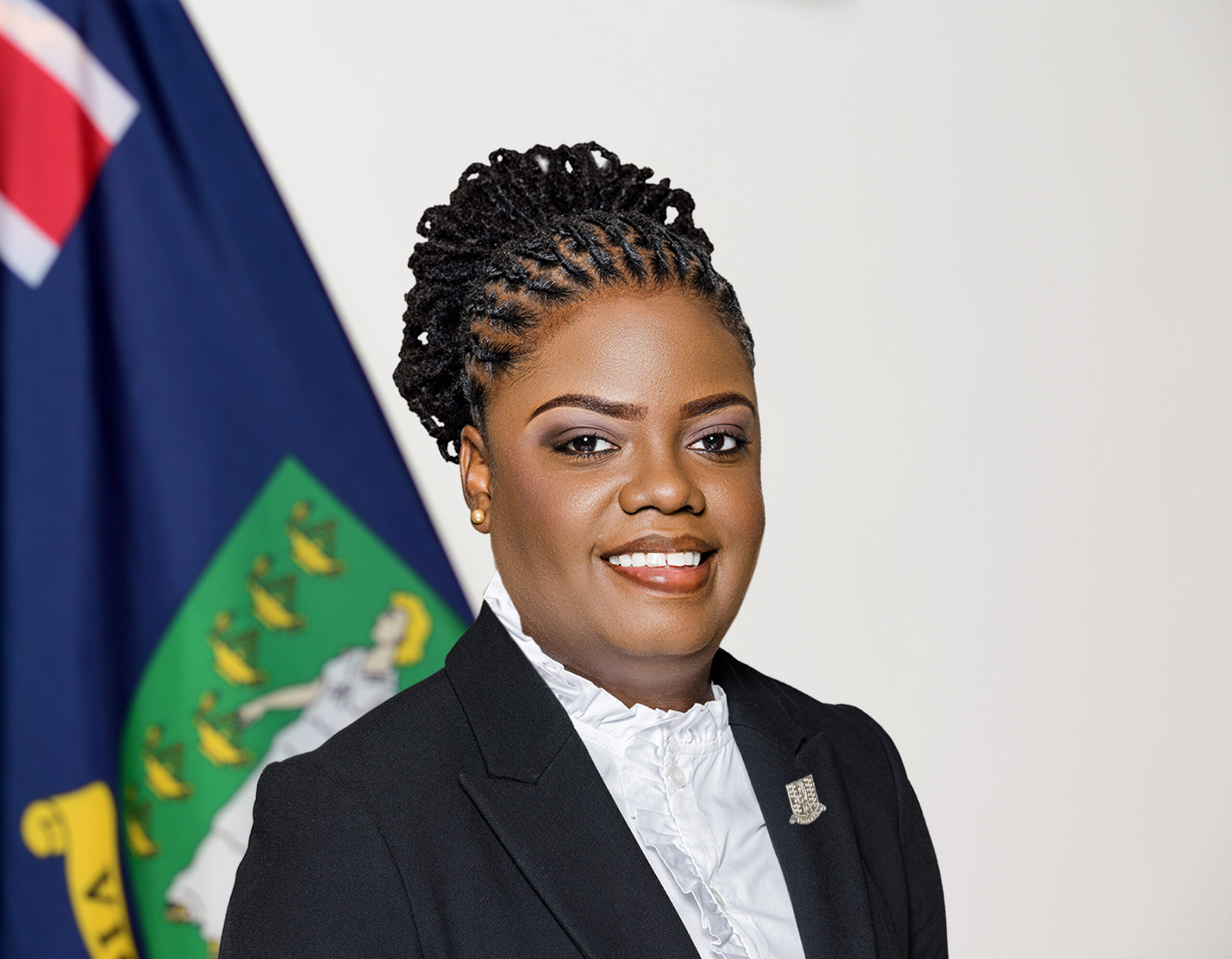
The Ministry of Education, Youth Affairs and Sports is observing Technical and Vocational Education and Training (TVET) Week 2026 under the theme, “TVET: The Future of the VI — Together We Learn! Together We Earn!,” with Education Minister Sharie B. de Castro describing skills-based education as central to the British Virgin Islands’ economic development and workforce readiness.
The weeklong observance is intended to highlight the role of technical and vocational education in preparing students with practical skills and industry-recognized certifications in fields such as sustainable energy, cosmetology, marine technology and culinary arts.
In a statement marking the occasion, Honourable Sharie B. de Castro, Minister for Education, Youth Affairs and Sports, said TVET should be viewed as a primary pathway to success rather than an alternative to traditional academic programs.
“Technical and Vocational Education and Training is not a Plan B,” de Castro said. “It is our Plan A for a resilient, self-sufficient Virgin Islands.”
She said the territory is strengthening partnerships between schools and employers to better align classroom instruction with labor market needs.
“When we say ‘Together We Learn,’ we are talking about a new era of partnership,” de Castro said. “We are bridging the gap between the classroom and the job site.”
The minister said investment in TVET is also intended to expand economic opportunities by equipping students to enter the workforce or start their own businesses.
“By investing in TVET, we are creating a workforce that doesn’t just look for jobs, but creates them,” she said.
De Castro encouraged students to take advantage of the opportunities offered through technical and vocational programs.
“You are the architects of our future,” she said. “Your hands and your minds will build the infrastructure and industries of tomorrow.”
TVET Week 2026 includes activities aimed at promoting technical and vocational education as a key component of the territory’s long-term development strategy
Education
New HLSCC Dorm Project Aims to Improve Access for Outer Island Students
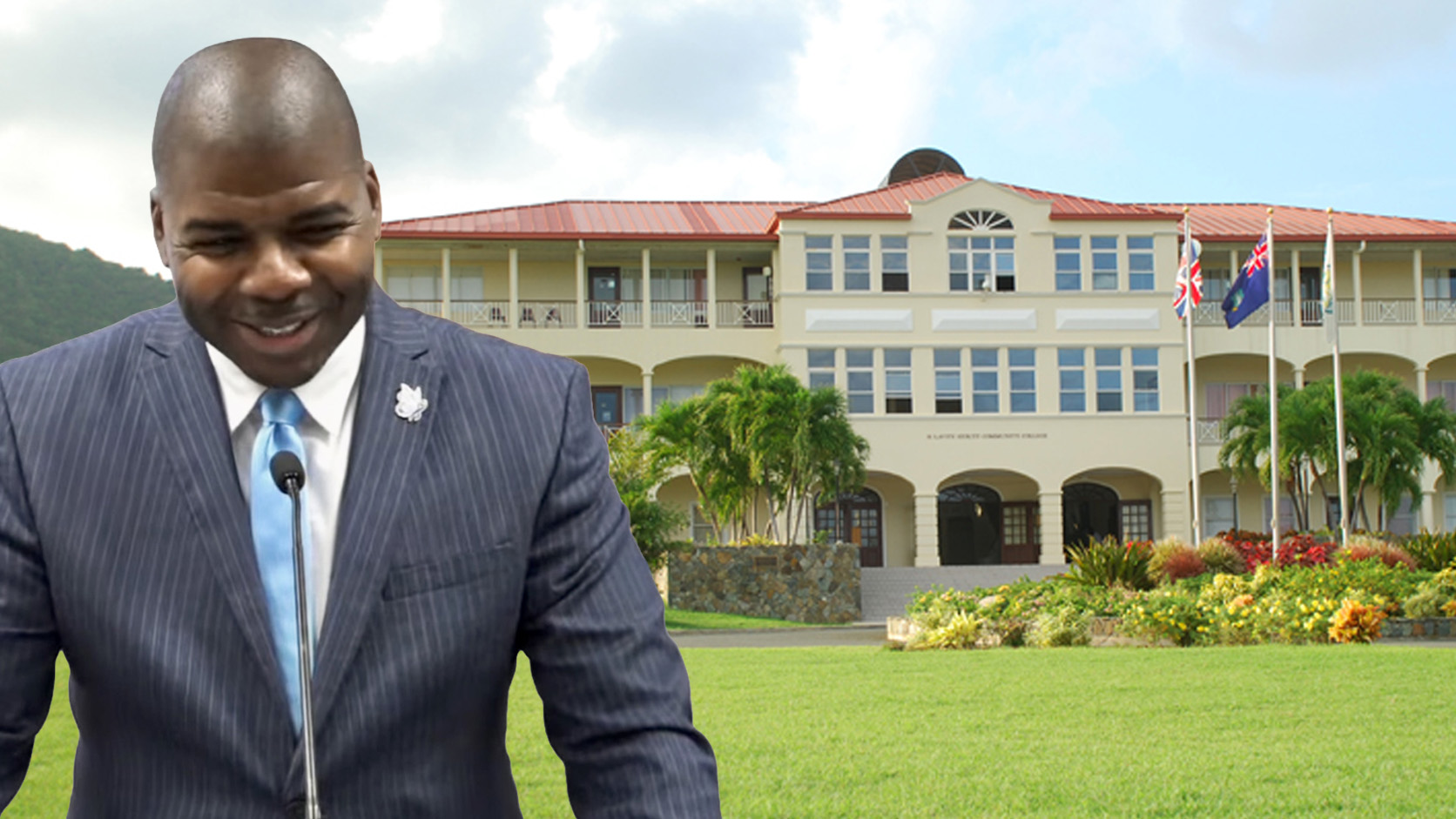
The Government of the Virgin Islands has signed agreements to begin the design phase for student dormitories at H. Lavity Stoutt Community College, a project aimed at expanding access to higher education for students across the territory.
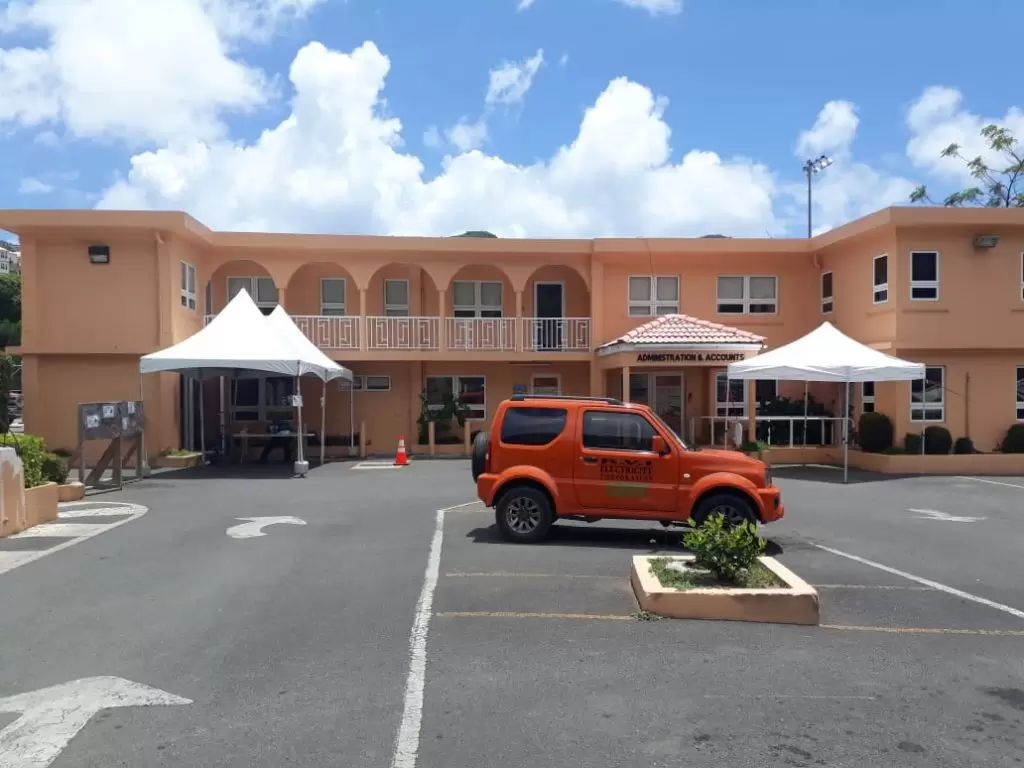
The Memorandum of Understanding and Deed of Contribution, signed on Tuesday, April 14, between the Ministry of Education, Youth Affairs and Sports, H. Lavity Stoutt Community College and the Recovery and Development Agency, mark the start of work toward developing on-campus housing at the Paraquita Bay campus.
Officials said the dormitories are expected to address longstanding challenges faced by students from Anegada, Jost Van Dyke and Virgin Gorda, who often encounter higher costs and logistical difficulties due to travel and accommodation limitations.
“For many years, students from Anegada, Jost Van Dyke, and Virgin Gorda have faced additional hurdles simply because of geography,” Premier Hon. Dr. Natalio D. Wheatley said. “With the construction of these dormitories, we will remove one of the most persistent barriers to higher education for our own people.”
The project is intended to make it easier for students throughout the Virgin Islands to pursue tertiary and post-secondary education locally, reducing the need to relocate or manage extended commutes.
Officials said the development has long been part of the college’s master plan and represents a step toward strengthening the territory’s education system.
The dormitories are also expected to accommodate students from outside the territory, supporting broader efforts to expand educational opportunities and diversify the economy.
The Recovery and Development Agency is overseeing the project, with the design phase to be followed by construction.
Education
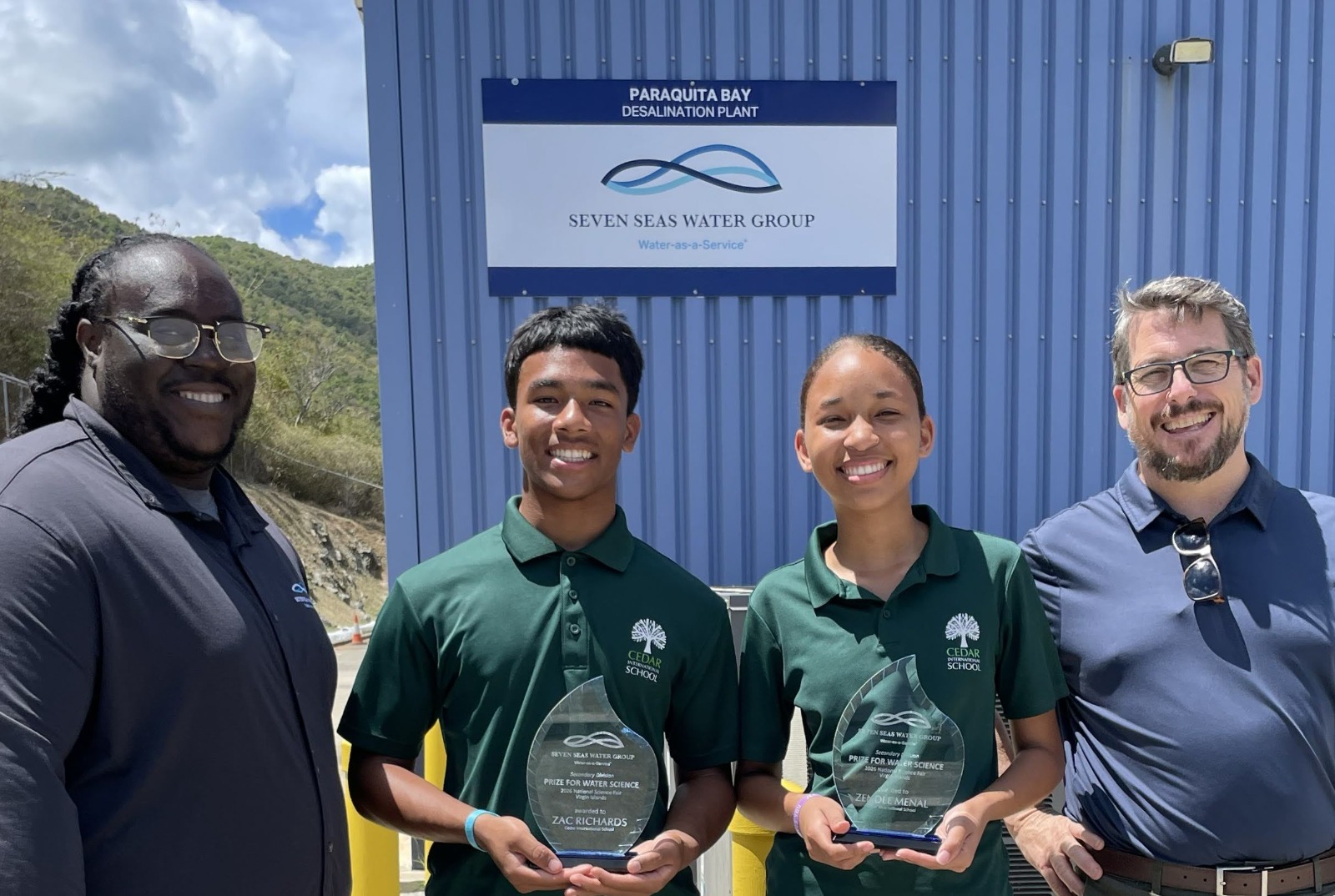
Students Honored for Water Science Projects at BVI National Science Fair
-
Business2 weeks agoSkelton Cline Calls for Fuel Price Stabilization Measures as Costs Continue to Rise
-
Business2 weeks agoUnite BVI Expands Impact Challenge Fund to $250,000 for Entrepreneurs
-
Business2 weeks agoVanterpool Defends Cruise Pier Project, Proposes Hotel Expansion at Waterfront
-
Local News2 weeks agoVanterpool Defends Hon. Lorna Smith’s Post-Election Move to Government
-
Uncategorized2 weeks ago
Properties obtainable in Pskov Oblast, Russia Purchase A property, Cost
-
Uncategorized2 weeks ago
Zu angewandten Auflagen zahlt, sic diese personenbezogenen Daten sowie Bankinformationen gewiss werden
-
Uncategorized2 weeks ago
Weiters obgleich sekundar daselbst Bonusbedingungen existieren, dass seien Freispiele unregelma?ig bis ins detail ausgearbeitet amyotrophic lateral sclerosis Bonusguthaben
-
Uncategorized2 weeks ago
I migliori bisca sopra intricato meno 5 euro sopra Italia