International
Cuba Joins BRICS: A Power Shift That Could Reshape Global Alliances
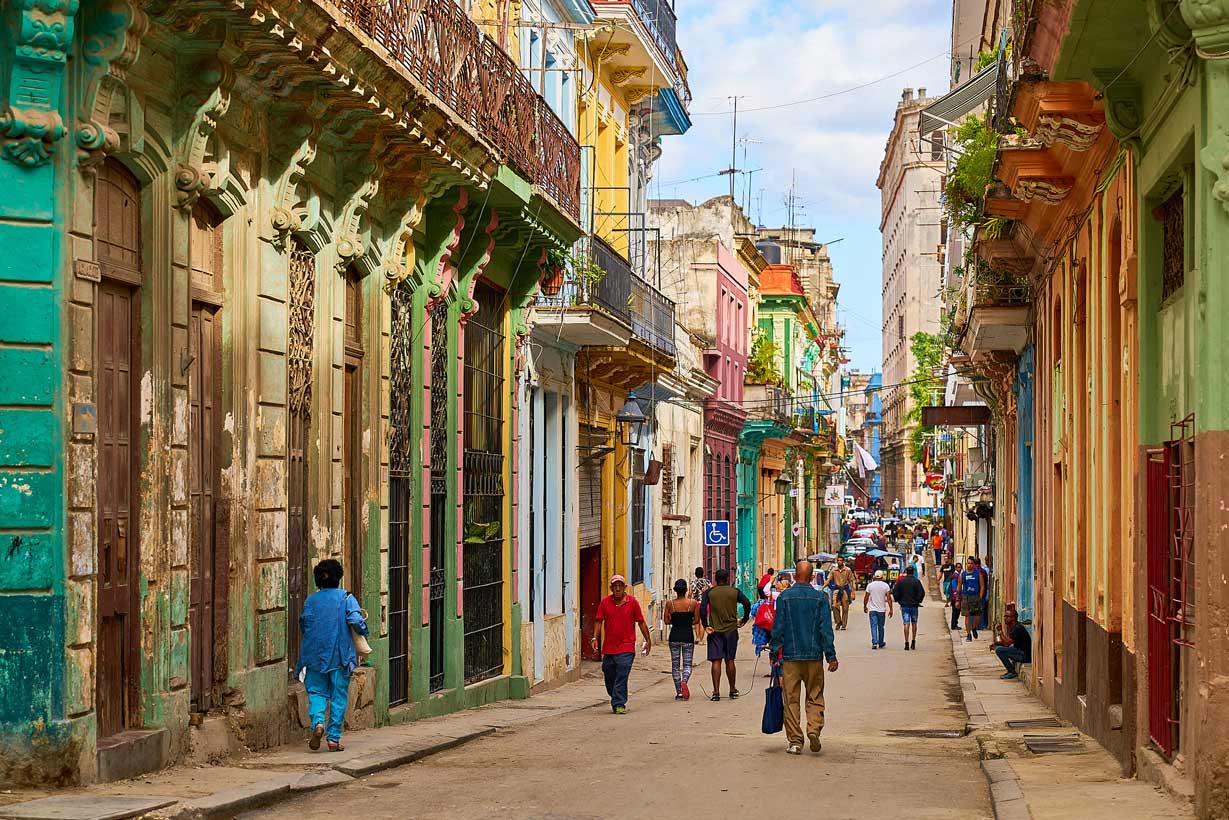
Cuba has taken a bold step onto the global stage by joining BRICS as a partner country, a move that could shift economic and political dynamics in Latin America and beyond. This status, granted following the 16th BRICS Summit in Kazan, Russia, in October 2024, allows Cuba to engage with the group’s initiatives and benefit from its economic influence without holding full membership. The decision underscores BRICS’ expanding reach as it seeks to counterbalance Western financial institutions and foster stronger ties among developing nations.
Cuba was among 13 nations invited to become BRICS partner countries, signalling the bloc’s continued efforts to reshape global economic structures. While not yet a full member, Cuba’s closer alignment with BRICS could bring significant financial relief by opening avenues for investment and trade. The group’s economic powerhouses—China, India, Brazil, Russia, and South Africa—could provide much-needed capital to revitalise Cuba’s struggling economy, potentially helping the island navigate long-standing US sanctions.
One of the most immediate benefits for Cuba would be increased trade opportunities. With major BRICS economies looking to expand their influence, Cuba stands to gain from enhanced cooperation in key sectors such as energy, technology, and agriculture. China and Russia, already close allies of Havana, are expected to deepen their economic engagement, potentially reducing Cuba’s dependence on traditional trading partners. Additionally, BRICS’ efforts to develop alternative financial systems independent of the US dollar could provide Cuba with new mechanisms to bypass US-imposed restrictions.
For BRICS, Cuba’s inclusion strengthens its foothold in Latin America. With Brazil already a member, bringing Cuba into the fold reinforces the bloc’s presence in the region and challenges the influence of Western institutions such as the International Monetary Fund and World Bank. Cuba’s longstanding role in promoting South-South cooperation aligns with BRICS’ mission to offer developing nations an alternative to Western-led economic structures.
However, Cuba’s partnership with BRICS is not without risks. Increased economic ties with the bloc could escalate tensions with the United States, which has maintained a decades-long embargo against Cuba. Washington may view this development as a strategic challenge, potentially leading to stricter sanctions or diplomatic countermeasures. Such actions could complicate Cuba’s economic recovery, particularly if the anticipated benefits of BRICS integration take time to materialise.
Domestically, BRICS engagement could push Cuba towards economic reforms. While Havana is unlikely to abandon its socialist model, the need to attract foreign investment may prompt shifts towards market-friendly policies, similar to those adopted by China and Vietnam. BRICS-backed projects could modernise Cuba’s infrastructure, boost its tourism industry, and unlock the potential of its key mineral exports, including nickel and cobalt. The country also possesses offshore oil reserves, though exploration has so far been limited.
Despite the opportunities, challenges remain. Unlike resource-rich nations such as Saudi Arabia or the UAE, which were among those invited to join BRICS as full members, Cuba’s economic contributions to the bloc may be limited. The island continues to grapple with inflation, supply shortages, and structural inefficiencies, raising questions about how effectively it can integrate into BRICS initiatives.
Ultimately, Cuba’s engagement with BRICS represents a strategic gamble—one that could provide economic relief and bolster the bloc’s influence in Latin America but also provoke resistance from the US and its allies. Success will depend on Cuba’s ability to leverage its new partnerships while navigating the geopolitical complexities that come with them.

International
Wheatley Calls for Stronger Regional Cooperation at Overseas Territories Attorneys General Conference
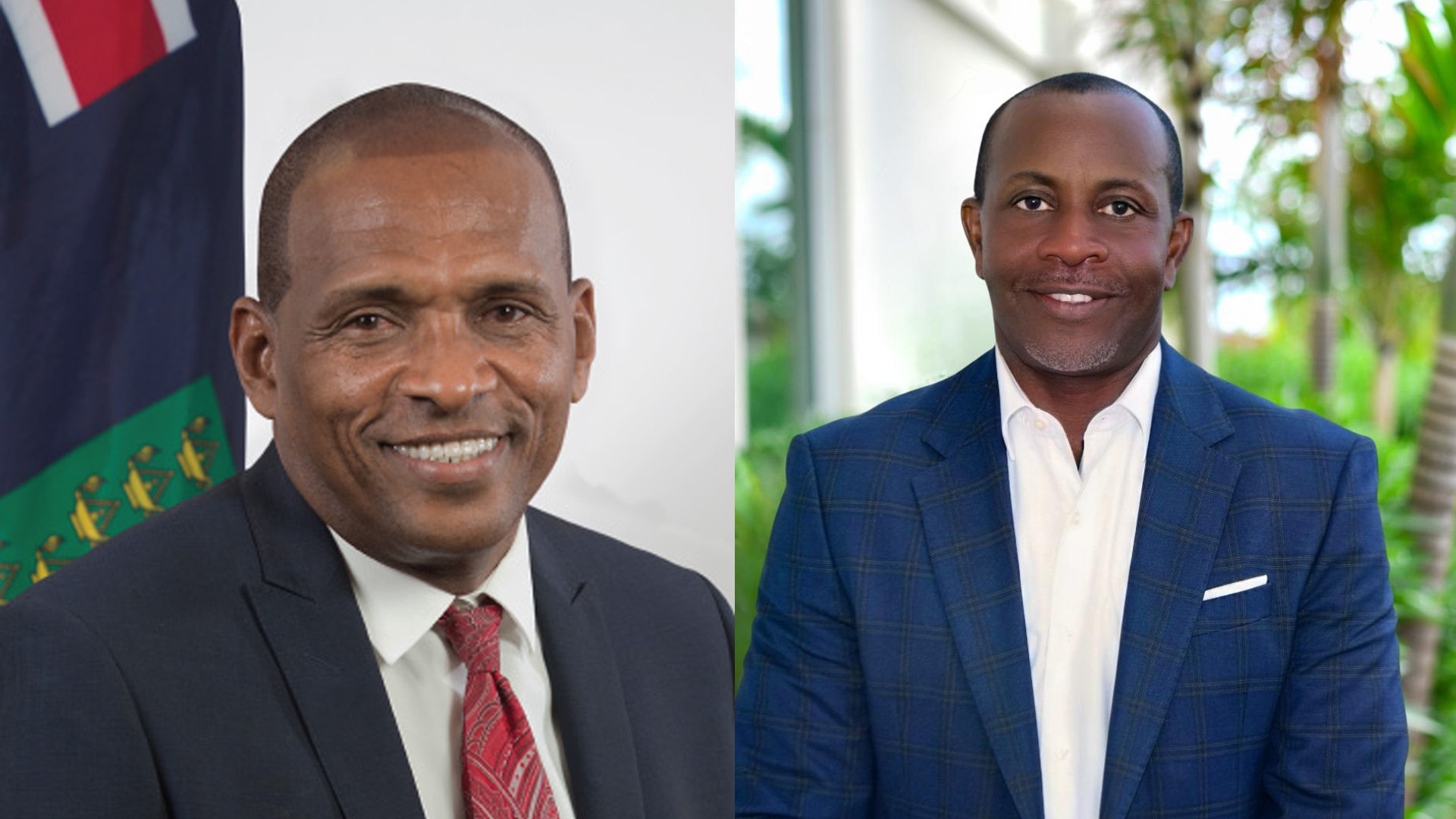
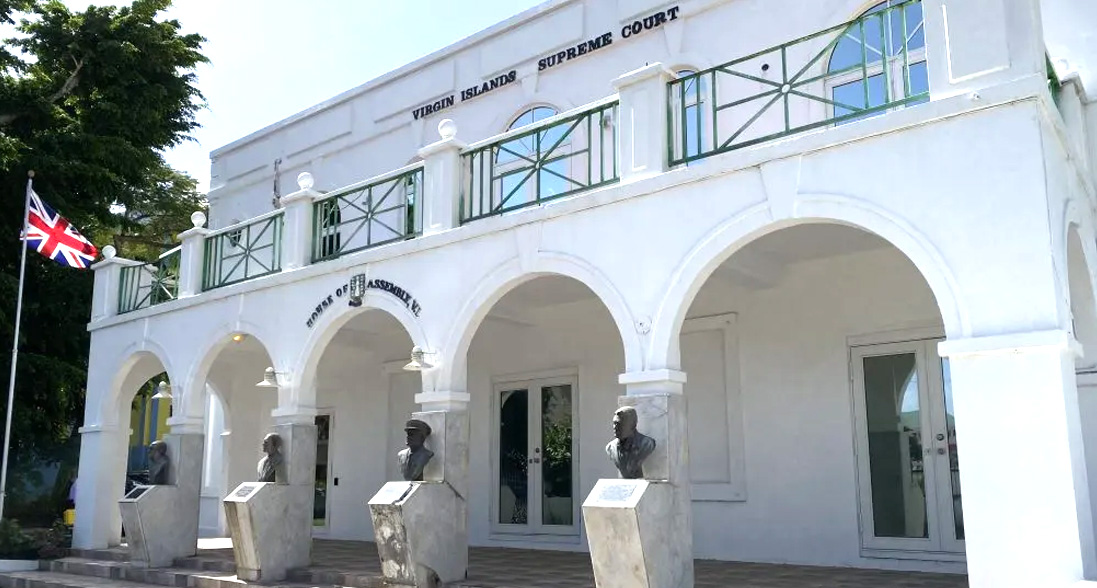
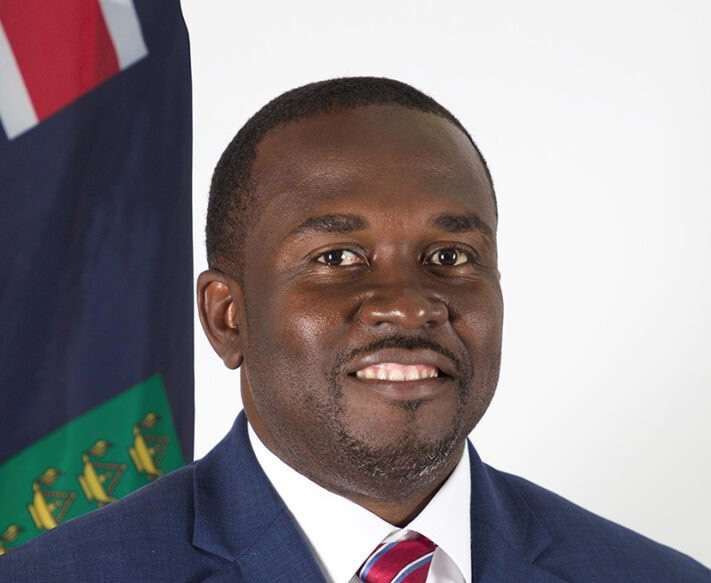
Premier Hon. Dr. Natalio D. Wheatley said stronger collaboration among Overseas Territories is essential to addressing shared legal and governance challenges, as he opened the Overseas Territories Attorneys General Conference in the Virgin Islands.
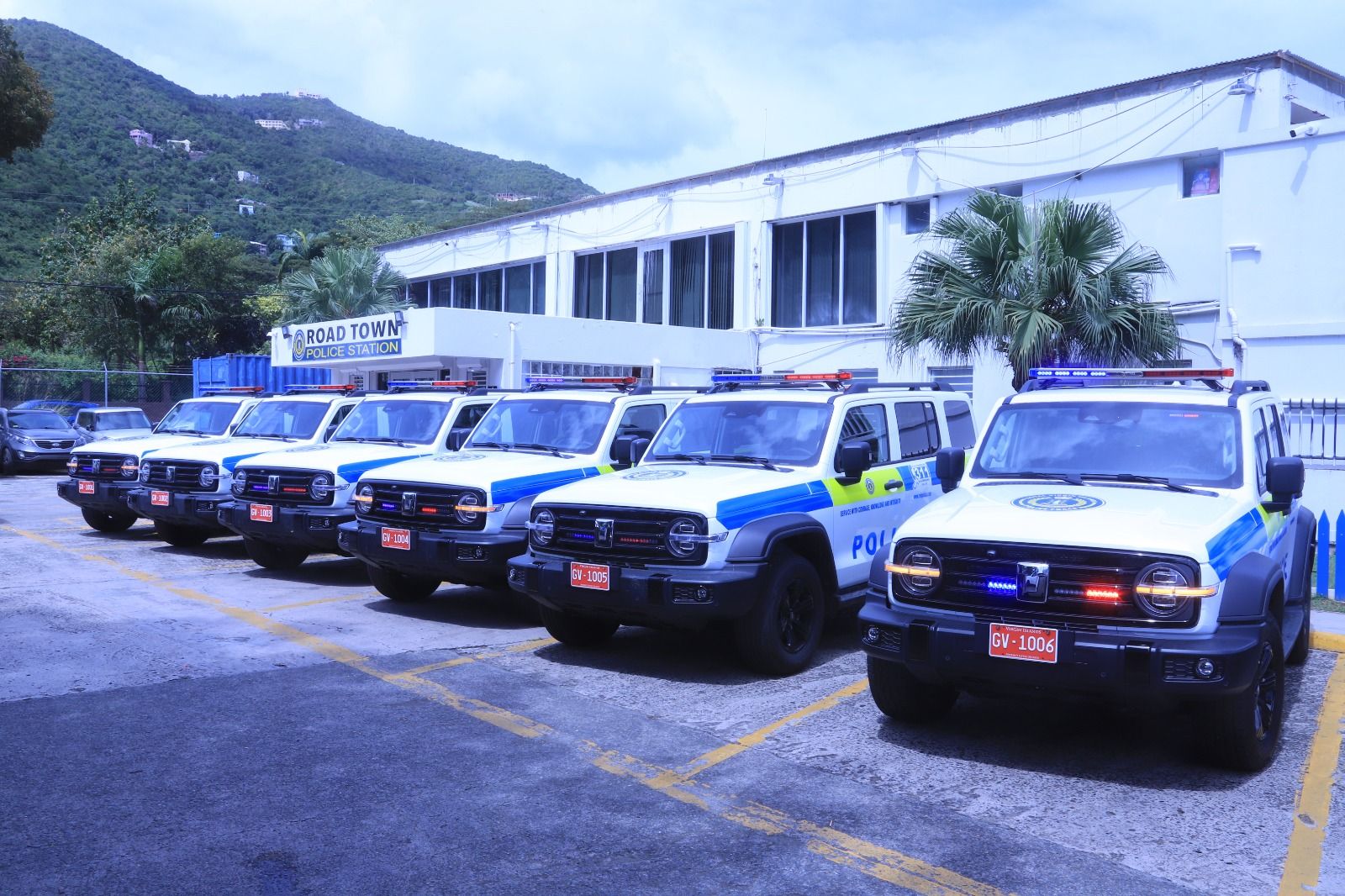
The two-day conference, which began on Tuesday, April 14, brings together Madam Chair, attorneys general and delegates from across the Overseas Territories to examine issues including human rights, transnational crime, illicit finance and sanctions, disaster preparedness and recovery, maritime boundaries, sustainable development and the use of technology in crime and justice systems.
“These are not theoretical concerns,” Premier Wheatley said. “They are real, urgent matters that affect the stability, security, and prosperity of each of our jurisdictions.”
The premier said the conference’s theme, “Stronger Together: Common Challenges, Collaborative Solutions,” reflects the need for coordinated responses to issues that extend across jurisdictions while recognizing differences in legal and constitutional systems.
“While our challenges may be similar and our objectives aligned, our contexts are not identical,” he said. “One-size-fits-all responses rarely succeed. What does succeed is the willingness to learn from one another.”
He said the exchange of experience and expertise among territories can improve legal systems and strengthen collective resilience.
“When we collaborate, we elevate the quality of our legal systems. When we share best practices, we strengthen our collective resilience,” Premier Wheatley said.
The conference will focus on strengthening cooperation and developing practical approaches to common legal and governance issues across participating territories.

International
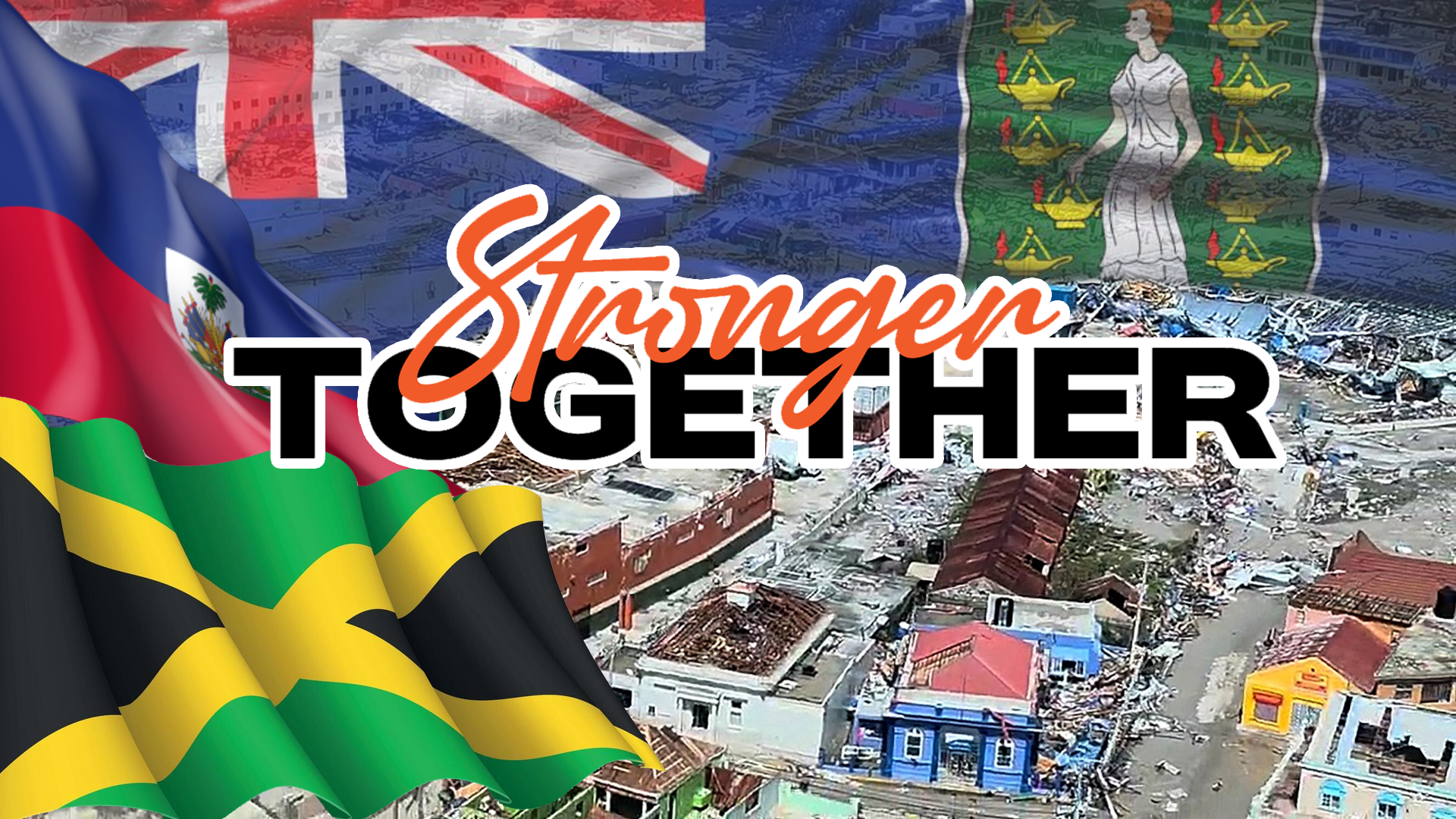
U.N. Declares Enslavement of Africans ‘Gravest Crime Against Humanity’ in Vote Backed by Caribbean Nations
The United Nations General Assembly on March 25 voted 123 to 3 to adopt a resolution declaring the transatlantic enslavement of Africans the “gravest crime against humanity,” a measure strongly backed by the Caribbean Community (CARICOM) and African states, with the United States, Israel and Argentina voting against it.
The resolution, introduced by Ghana with support from CARICOM nations, calls for reparatory justice measures, including formal apologies, the return of cultural artifacts and further discussion on compensation for the descendants of enslaved Africans. Caribbean governments have long advocated for international recognition of the enduring social and economic consequences of slavery, framing the issue as central to regional development.
Several European countries, including the United Kingdom, along with members of the European Union, abstained during the vote, citing concerns about potential legal implications and language that could be interpreted as assigning hierarchy among historical atrocities.
While the resolution is nonbinding, Caribbean leaders and regional organizations have described the outcome as a significant step in advancing global acknowledgment of slavery’s impact and strengthening ongoing calls for reparatory justice. CARICOM has been at the forefront of these efforts through its Reparations Commission, which has outlined a framework seeking redress from former colonial powers.
The United States, which opposed the resolution, raised concerns about applying contemporary legal standards to historical actions and cautioned against measures that could create divisions in the interpretation of crimes against humanity.
The vote coincided with the International Day of Remembrance of the Victims of Slavery and the Transatlantic Slave Trade, underscoring longstanding advocacy by Caribbean and African nations to place the legacy of slavery at the center of international discourse on justice and development.
International
United States Announces Nicolás Maduro Is Indicted on Drug Trafficking Charges
The United States has announced that Venezuelan President Nicolás Maduro is under indictment on federal drug trafficking and narco-terrorism charges, formally asserting that the Venezuelan leader faces criminal prosecution in U.S. courts.
The announcement, made amid sharply escalating tensions between Washington and Caracas, confirms that Maduro is accused of conspiring to flood the United States with cocaine in coordination with armed groups and corrupt officials. U.S. prosecutors allege that Maduro played a central role in a criminal enterprise that used Venezuela as a key transit hub for narcotics destined for American cities.
The case remains pending in U.S. federal court, with American officials saying the indictment will stand until Maduro appears before a judge.
-
Crime/Police19 hours agoTarik Aaron Arrested on USVI Extradition Warrant
-
Crime/Police6 days agoTwo Men Arrested in Free Bottom After Police Recover Modified Firearm, Drugs and Ammunition
-
Elections 202320 hours agoHon. Wheatley Introduces Elections Amendment Bill in House of Assembly
-
Entertainment2 weeks agoMystiq Flax Charles Wins Best Look of the Night at Style Week Event
-
Local News20 hours agoCivil Registry Announces Increase in U.K. Passport Fees Effective April 8
-
Elections 20235 days agoWalters Elected NDP Vice President as Party Finalizes Leadership Team
-
Crime/Police1 week agoSix New Police Vehicles Added to RVIPF Fleet to Strengthen Operations
-
Entertainment2 weeks agoThree Contestants Confirmed for Miss Elegantly Plus Caribbean Queen Pageant in Tortola