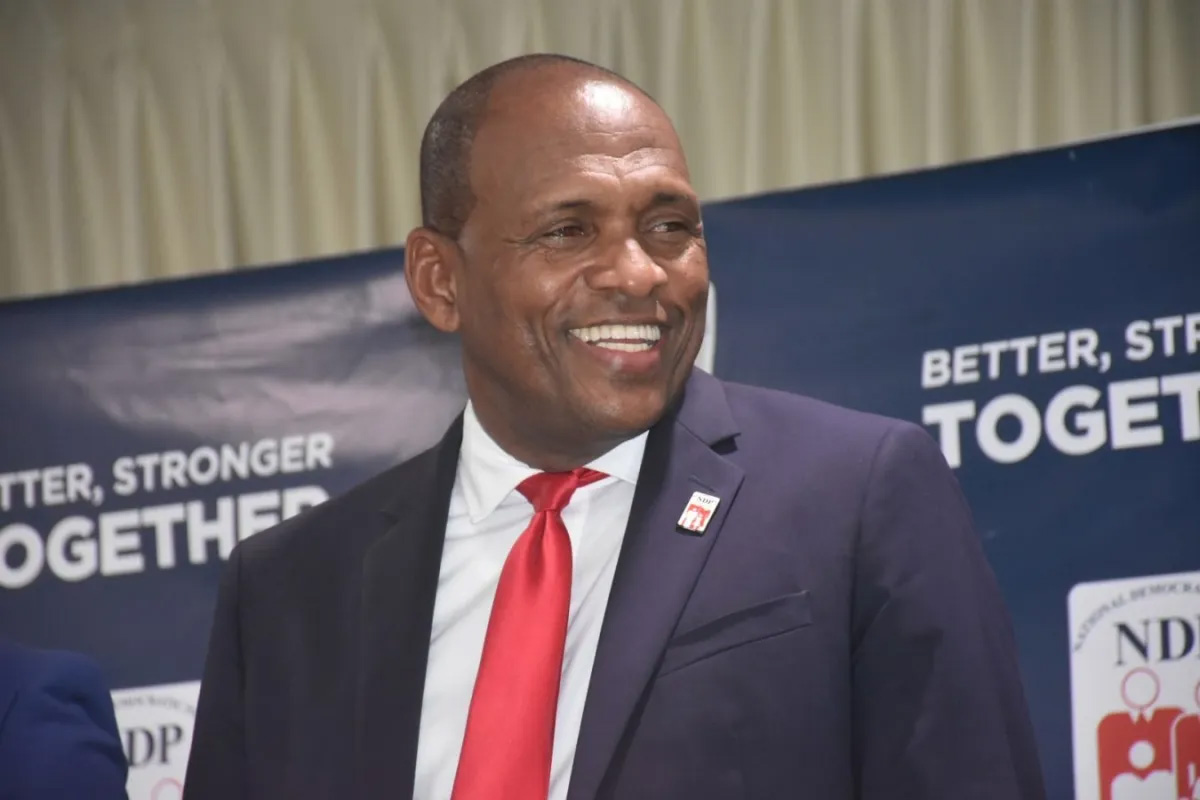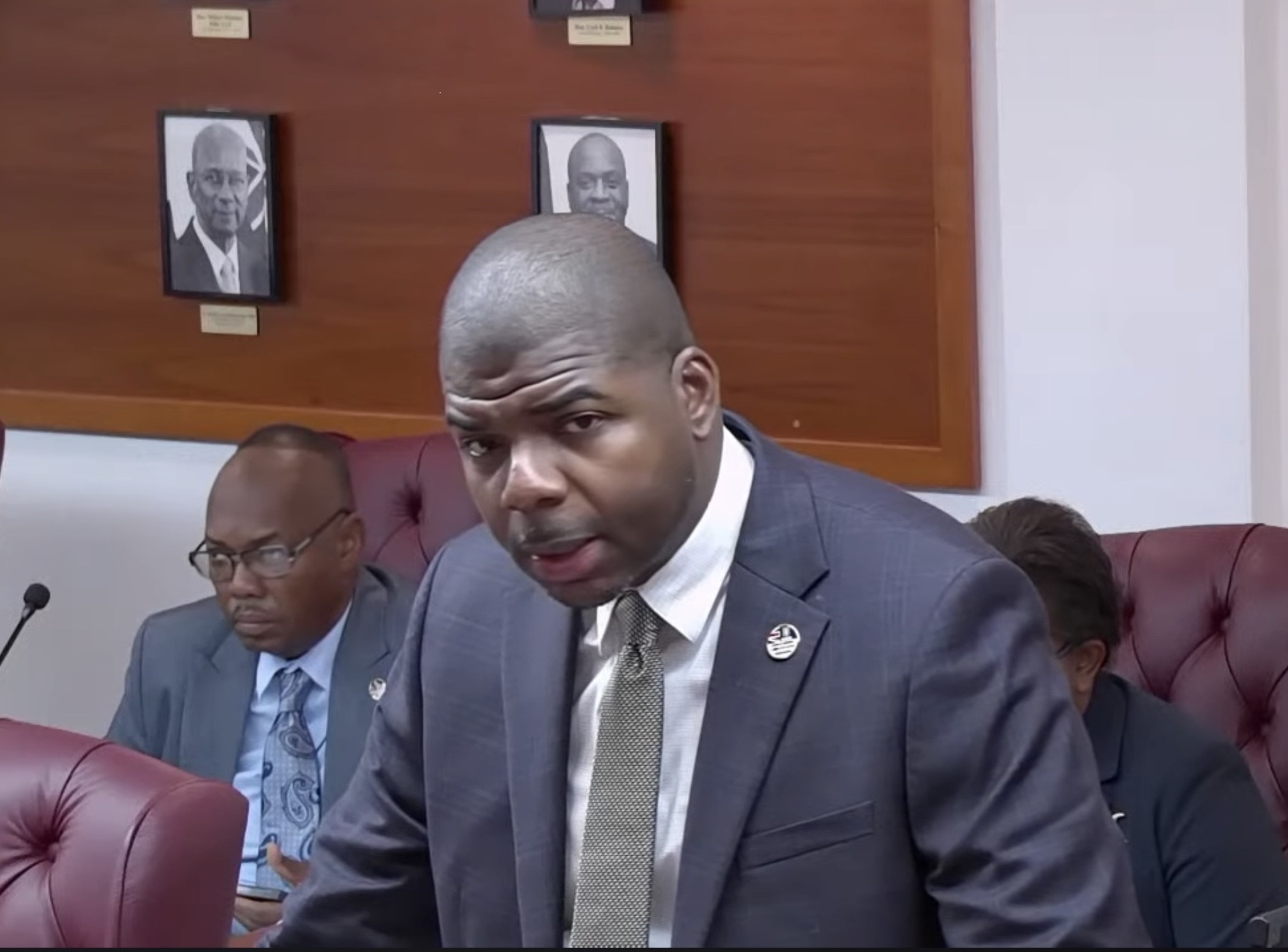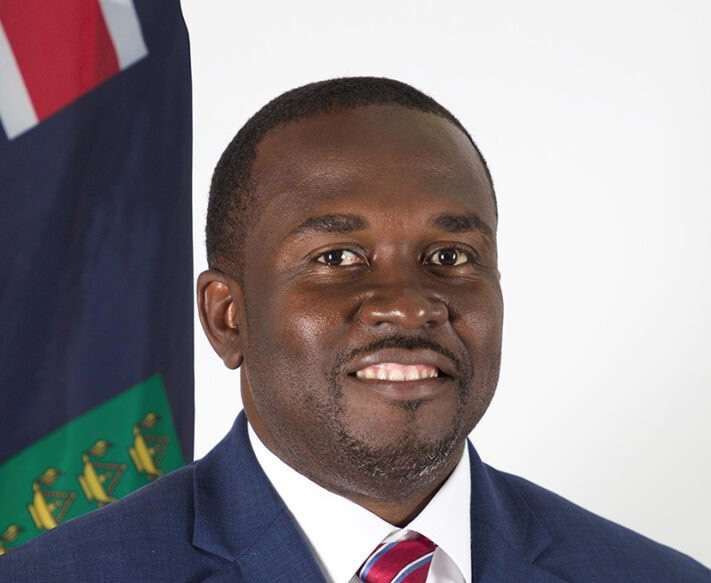

Opposition Leader Hon. Myron Walwyn called for sweeping reforms to the Virgin Islands’ system of government, urging greater transparency and public participation after a special Auditor General’s report revealed that lawmakers quietly more than doubled their own salaries in December 2023.
“It’s time to make the committees public,” Walwyn said. “When we go to the committee stage of a bill, that process should be public. When we have the Public Accounts Committee, it should be public. This constitution belongs to everyone, and the people should not be excluded from these decisions.”
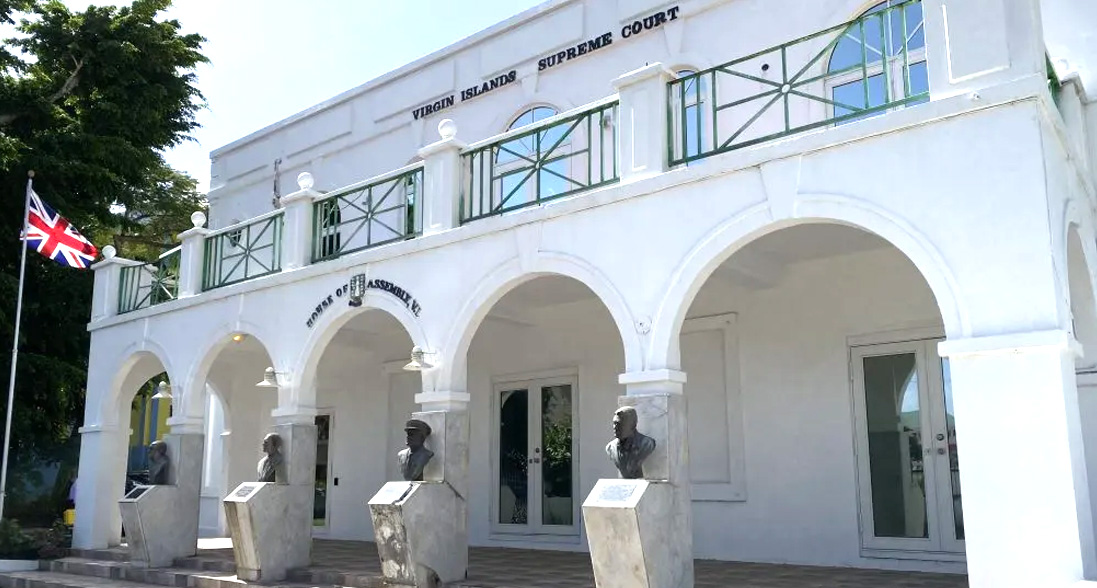
Walwyn made the remarks during the Ninth Sitting of the Second Session of the Fifth House of Assembly on Thursday, September 25, as legislators debated the Constitution Review Commission Report, which has sparked public anger over secrecy in government. He said the salary controversy highlighted fundamental flaws in the Westminster-style model under which the Virgin Islands is governed.
“The people want us, those of us who are elected, to be more transparent in our dealings,” Walwyn said. “There are some tenets of the Westminster system that are out of date and not consistent with a modern society. There’s too much secrecy in it.”
Walwyn argued that residents expect to know how public money is being allocated and how laws are made. He said the pay controversy shows how current rules allow decisions with major financial impact to happen away from public view.
“The people are right — they’re frustrated with us now because decisions appear to be made in secret,” he said. “While the increase was not technically secret under the Westminster system we follow, to the public outside it seems hidden. And when they say that, we have to listen, because they’re saying they do not know enough about what is happening in the affairs of their country.”
He called for reforms to reduce distrust and rebuild confidence in elected officials.
“We elect you to come to the House to represent us, but the public feels shut out,” Walwyn said. “If people can see what we are doing — making sure we’re working for our money, reading the documents, and representing their interests — that helps to build trust.”
Walwyn said constitutional changes should require committee hearings to be public whenever possible, particularly during the committee stage of bills and in the Public Accounts Committee, which scrutinizes government spending. He also urged that the ongoing constitutional review be conducted openly, describing it as “a document that belongs to everybody.”
“We should try our utmost now to defy the odds and make this constitutional review committee public for the people,” he said. “This is the people’s constitution, and they should not be excluded while 13 of us decide behind closed doors what suits our personal agendas.”
The House of Assembly confirmed that Webster’s findings will undergo a detailed review, formal debate and an official response. In a Sept. 17 statement, the House said it is committed to “representative democracy, accountability, transparency, and public participation” and asked residents for patience while the matter proceeds through the parliamentary process.
Webster’s special report, dated May 27, 2025, and tabled in the House on Sept. 16, found that legislators met privately on Dec. 19, 2023 — two days after passing the national budget — and voted to adopt the maximum salary range recommended by consulting firm PricewaterhouseCoopers rather than the minimum range designed for civil servants. The move raised lawmakers’ collective pay from $681,000 to $1.49 million, a 119 percent increase, and added $809,652 to the 2024 budget.
The Premier’s salary rose from $72,000 to $176,243 — a 145 percent jump — while the Deputy Premier climbed from $65,000 to $152,015. Salaries for ministers increased from $60,000 to $127,788; the Speaker, Opposition Leader and Junior Ministers rose from $45,000 to $103,560; the Deputy Speaker went from $40,000 to $79,870; and regular members moved from $36,000 to $71,230. In contrast, 93 percent of civil servants were placed at the bottom of their new salary scales under the same review, with only 7 percent moved higher to avoid pay cuts.
Webster warned the raises — combined with enhanced retirement benefits approved for legislators in 2021 — could strain public finances and “undermine fiscal transparency and public trust.” She said the decision was not clearly disclosed in Cabinet papers, was not publicly announced, and lacked explanation of its long-term costs. The report recommended that the Deputy Governor’s Office and the Ministry of Finance explain why neither Cabinet nor the House was informed of the full financial impact and called for complete disclosure of the raises and their pension implications.
The House said its official response will come after members complete their review of the findings. Walwyn said the controversy should be a turning point for the Virgin Islands, arguing that a more open legislative process is essential to regaining public confidence.
“If we can break down this barrier of distrust and let the people see what we’re doing, we can help rebuild faith in this institution,” he said.