

By Benito Wheatley
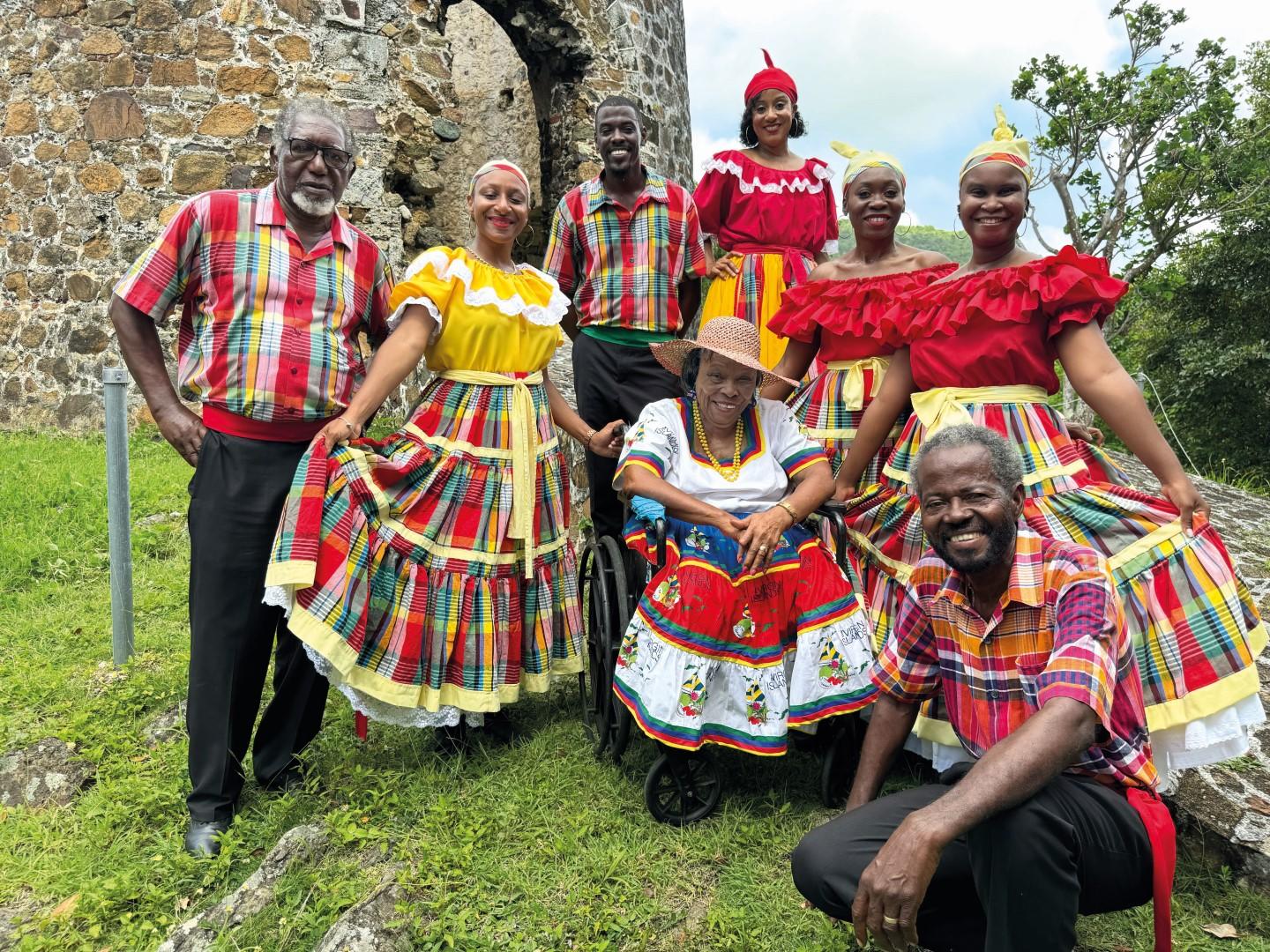
Every year the British Virgin Islands as a post-slavery society commemorates Emancipation in celebration of our freedom as a people. This year marks 190 years.
However, Emancipation today is more than just about celebrating our foreparents freedom from slavery on 1st August 1834. It is also about protecting and preserving the rights we have since gained as a people in our long and continuous struggle for human dignity and the freedom to determine our own destiny.
The ultimate expression of these rights is self-government, which is a fundamental principle of self determination.
The people of the British Virgin Islands have an inalienable right to govern themselves as a national community, as enshrined in the United Nations (UN) Charter. Our foreparents fought hard for self-government to give us the power to build better lives for ourselves, our children, and grandchildren, because Britain had done very little to help their situation over the 116 years following Emancipation, in contrast to the payments made by the British Government to the former slave masters to compensate them for the slaves they previously owned.
After decades of poor economic and social conditions in the British Virgin Islands and the colony’s lack of opportunity, the people organised the Great March of 1949 to protest colonial neglect and to demand self-government.
The protest was successful in pressuring Britain to approve a constitution in 1950 that reconstituted a local legislature (i.e. Legislative Council) and gave the people of the islands the democratic right to elect their own representatives to make laws for the society, and embedded their political right to participate in the governing process through their representatives.
This initial step was followed by the introduction of Ministerial government in 1967 that gave the local Government executive authority for the first time. In 1977, this authority was further expanded by the devolution of the public finance portfolio from the British appointed Governor to the elected government.
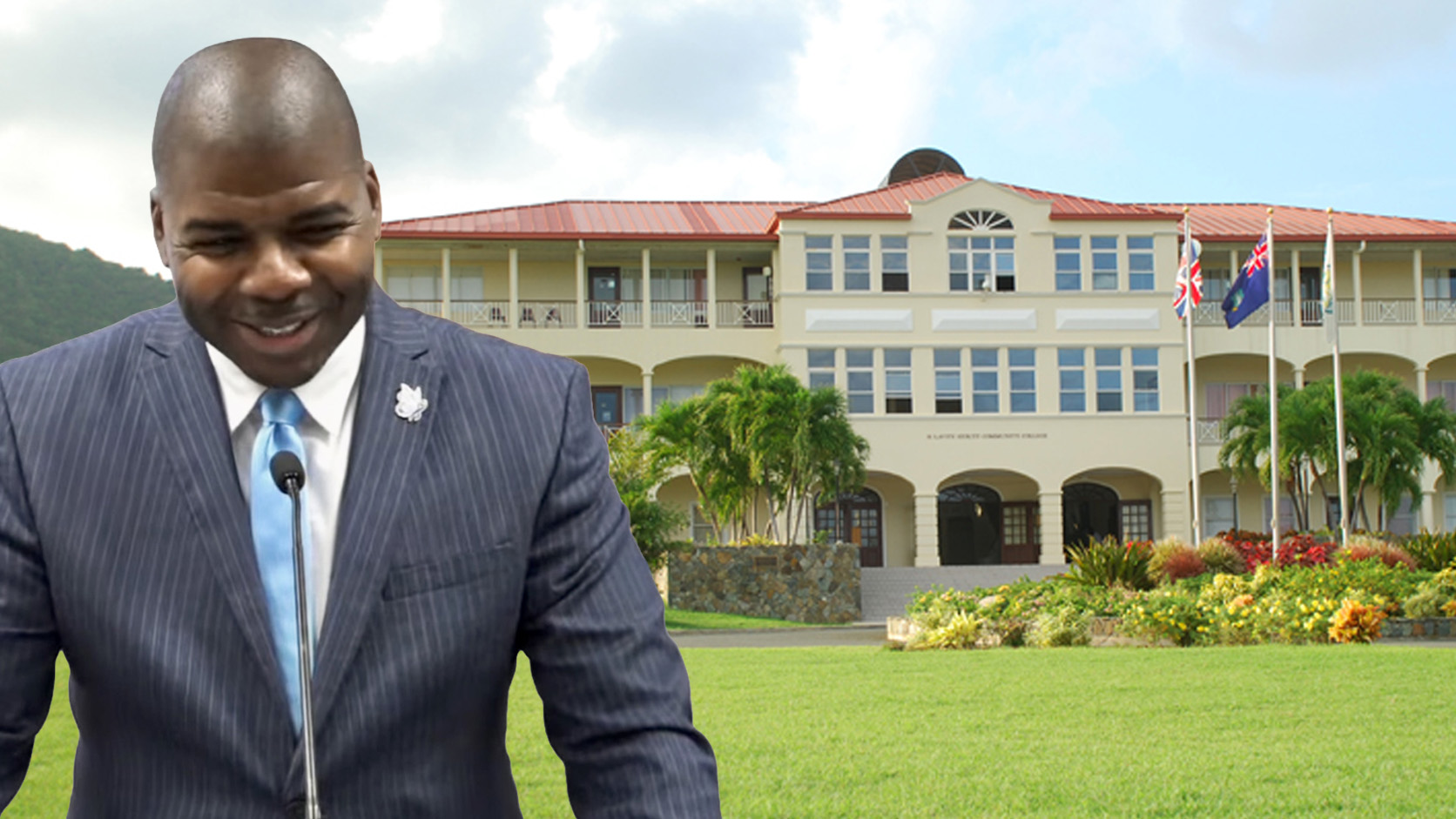
The historical record shows that the modern development of the British Virgin Islands came on the back of the tireless efforts of the islands’ political leaders who ensured the provision of modern primary schools in each district, modern comprehensive secondary schools to serve all students, tertiary education at the H. Lavity Stoutt Community College, the granting of scholarships for higher education abroad, a modern hospital to take care of the sick, a road network for vehicular transportation, electricity and running water for modern living, and modern government facilities from which to administer the affairs of the islands, among other things.
This is in stark contrast to the previous era of direct rule by Britain in which there was little progress and the British Virgin Islands became the poorest part of the Federal Colony of the Leeward Islands.
Today there are some members of our community who are dissatisfied with local governance and continue to call for Britain to take over the islands or for the Governor to be granted additional constitutional powers over Ministries for a temporary period. This is wrongheaded and said out of frustration.
They must keep in mind that removing or overriding a democratically elected Government simply because there is dissatisfaction with their performance is incongruent with democratic principles in the Commonwealth and beyond.
Democracy is not perfect anywhere and imperialism is not a cure.
The British Virgin Islands’ path of political change remains elections, which we have proudly practiced uninterrupted since 1950.
Any concerns about the performance of government should be addressed through reform and technical assistance. Not the removal of democracy or colonial impositions.
Those individuals who feel disillusioned must remember that in spite of some errors by various Government Administrations and ongoing challenges in the society, on balance, self-government has delivered much for the people of the British Virgin Islands. We must not forget this or dismiss or downplay the accomplishments of local government, regardless of political affiliation or personal views.
As a people whose ancestors suffered the indignation of slavery and British colonial maltreatment, we must never compromise the freedom we have gained, especially our democratic, political and human rights. Nor should we seek to justify why Britain should have the unilateral authority to take these rights away from us.
The enduring lesson of slavery is that once your freedom is taken away, there is no guarantee if and when it will be given back. No nation, government, people or person should have that power over another people.
We owe it to our foreparents to preserve and protect the freedom we enjoy today that they suffered, endured and fought so hard to gain for our benefit and that of future generations.
As we celebrate this Emancipation season, let us not forget their sacrifice and our responsibility today as a people.
Benito Wheatley is a Continuing Policy Fellow at the Center for Science and Policy (CSaP) at the University of Cambridge. Responses can be sent to benitowheatley@gmail.com.