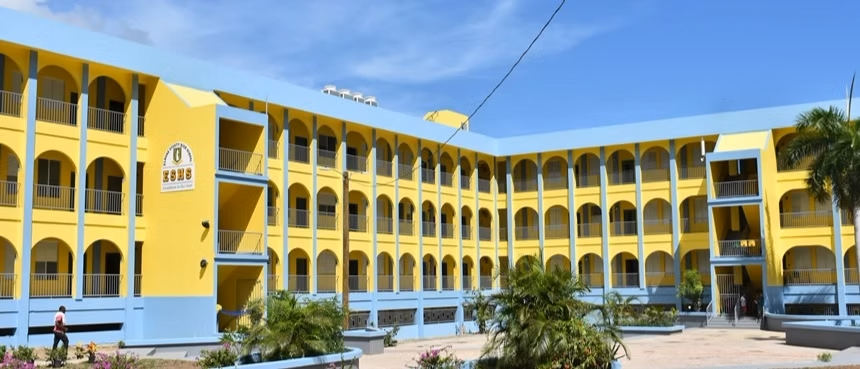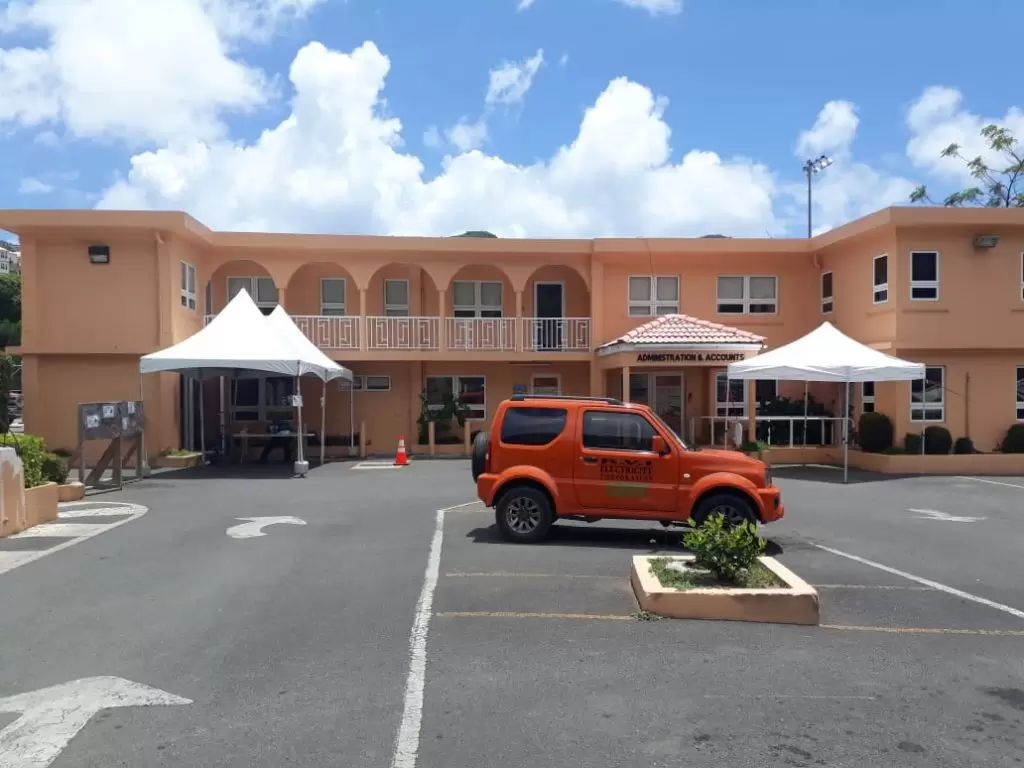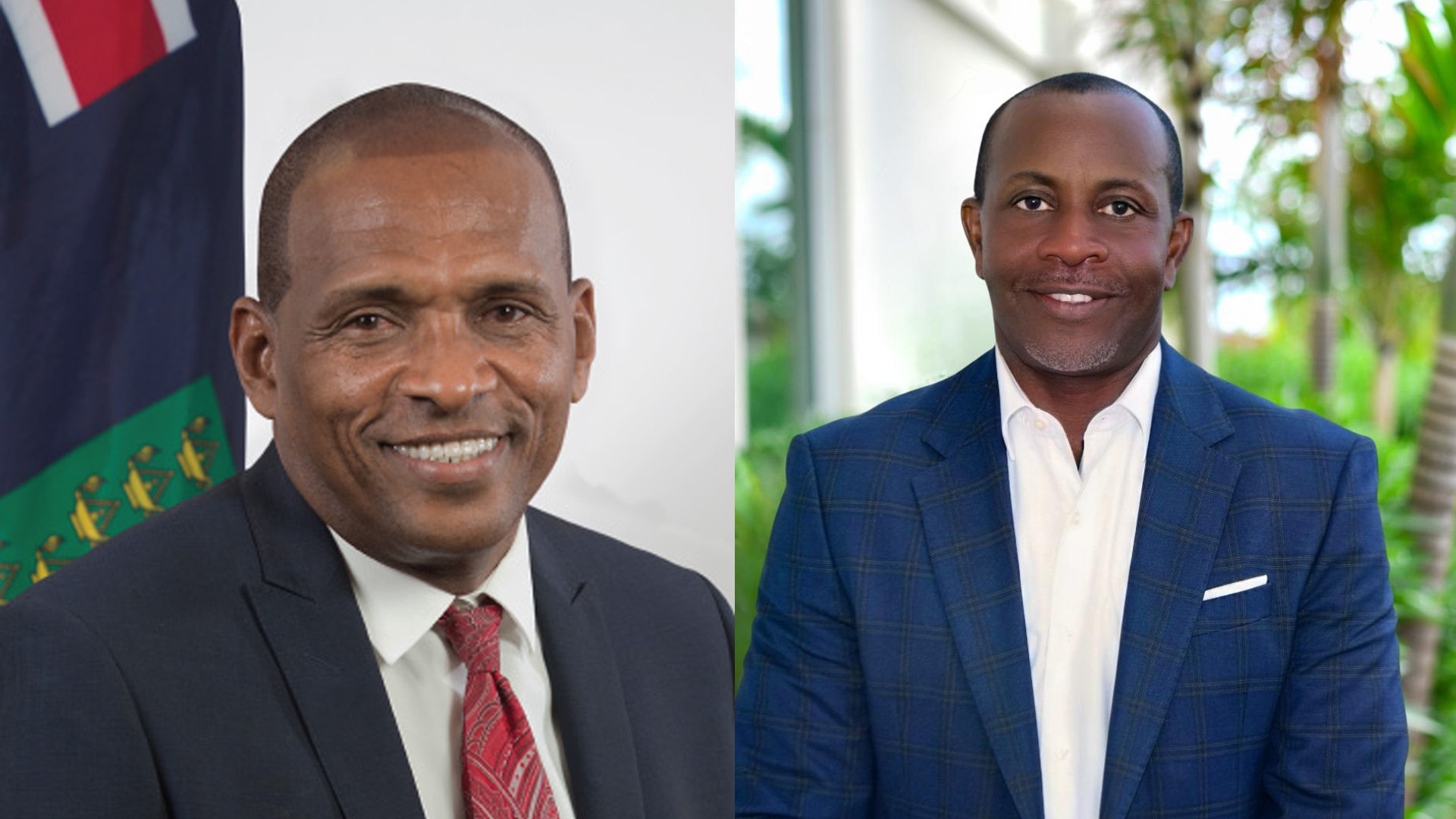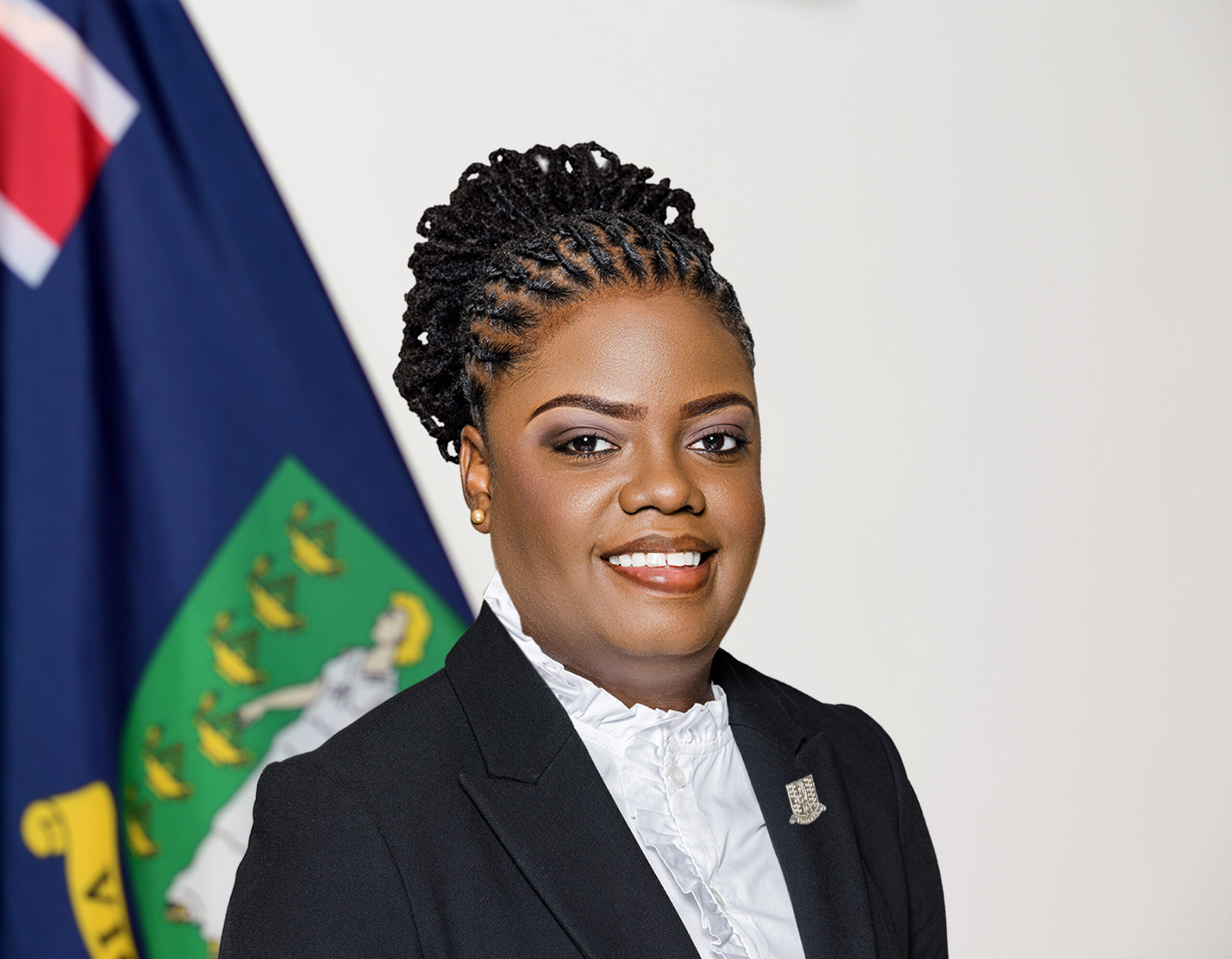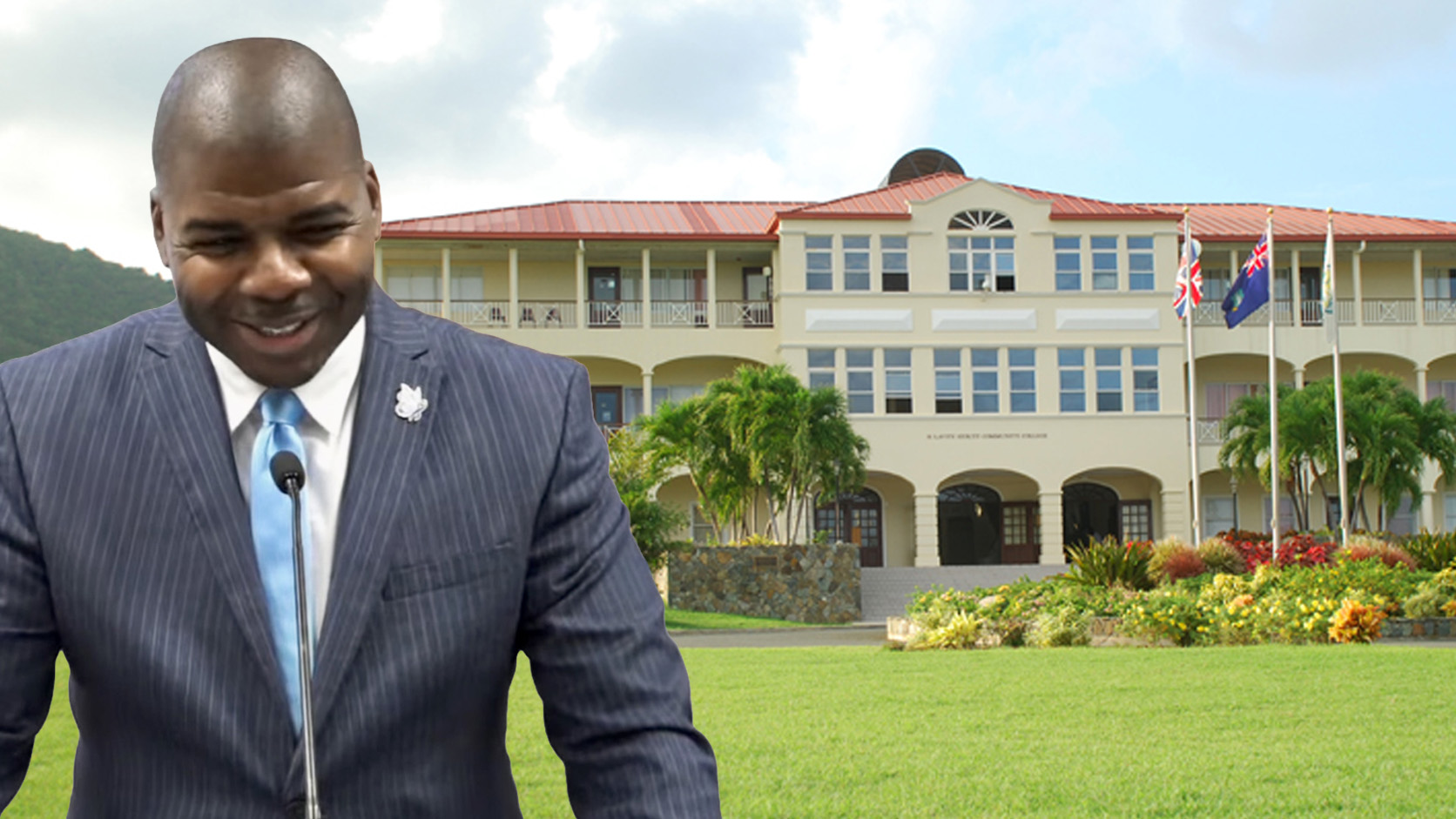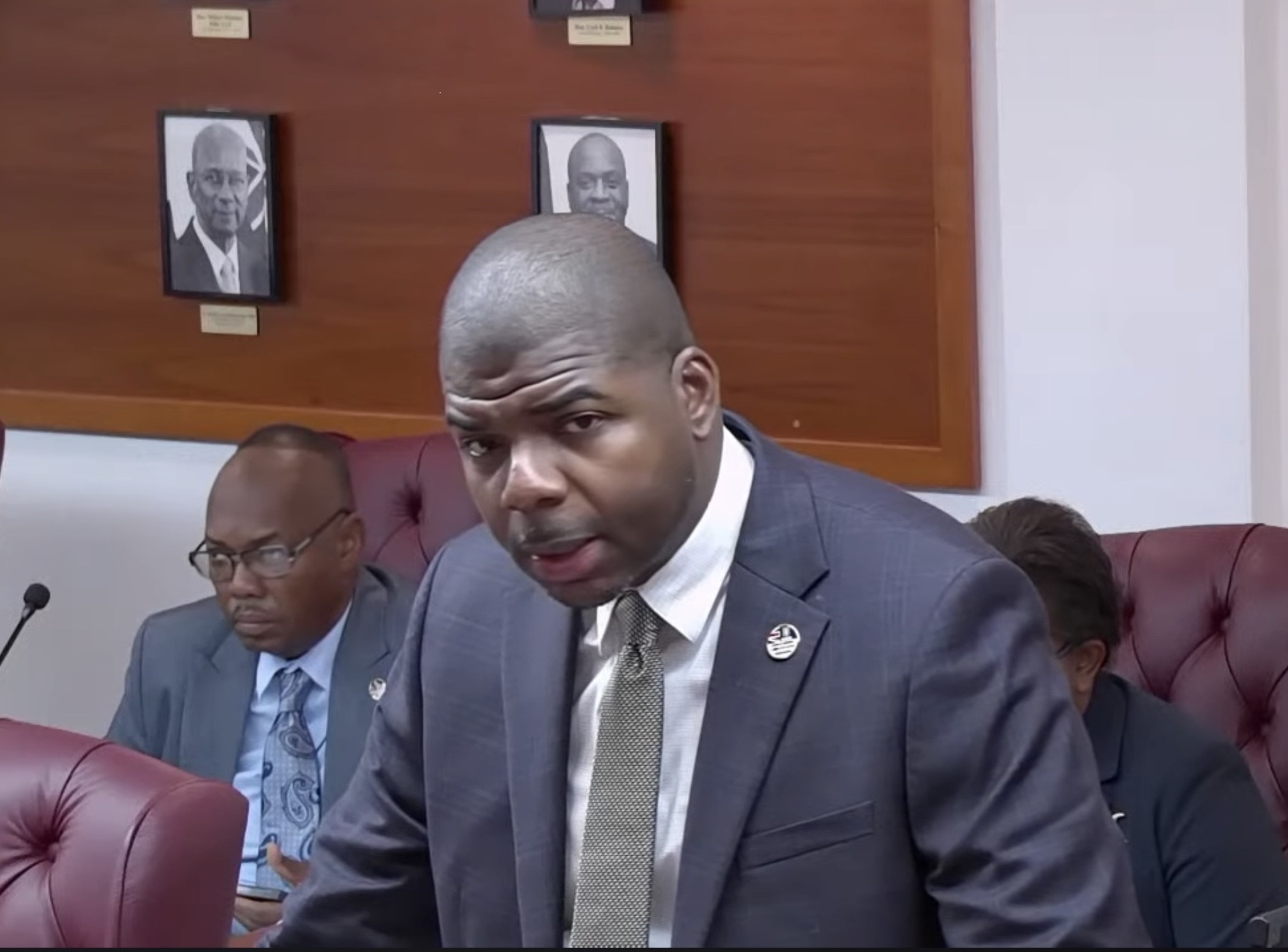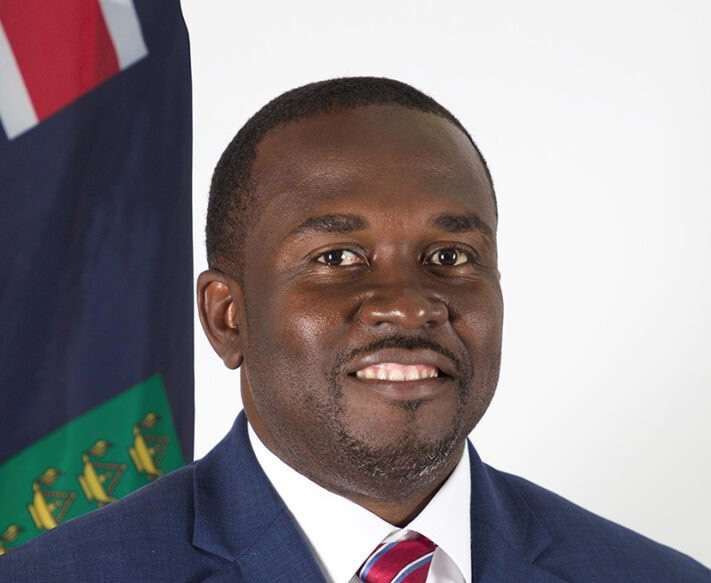

The H. Lavity Stoutt Community College (HLSCC) is undergoing a period of significant institutional reform, driven by a mandate to strengthen its organizational effectiveness and expand academic opportunities. That was the message delivered on Tuesday by Hon. Sharie B. de Castro, Minister for Education, Youth Affairs and Sports, during the Fifth Sitting of the Second Session of the Fifth House of Assembly.
With support from the Ministry of Education and the College’s Board of Governors, HLSCC has recorded steady gains across student enrolment, programme development, policy compliance, and strategic planning. Between Fall 2020 and Fall 2024, overall enrolment showed modest fluctuations, with full-time student numbers experiencing an early decline before showing partial recovery. In contrast, part-time enrolment increased steadily and now accounts for 54 percent of the 705 students enrolled in associate and certificate programmes. The rising demand for flexible and modular study options has prompted the College to place more emphasis on maintaining quality and support systems for part-time learners.
There has also been a gradual increase in male student enrolment—from 35 percent in 2020 to 41 percent in 2024—a development linked to expanded offerings in technical and marine studies. Business and computer science continue to dominate as the most popular programmes, attracting an average of 280 students annually. Meanwhile, the establishment of the Institute of Education has strengthened academic offerings in teacher preparation, with over 50 students annually pursuing degrees and certificates in education.
HLSCC currently holds accreditation through the Middle States Commission on Higher Education (MSCHE), with its next renewal due in 2028. In preparation, the College has launched a self-study process and is expecting a site visit in 2027. Among the College’s most successful initiatives is the Dual-Enrolment programme, which maintains a steady upward trajectory with about 80 students per year. The programme reflects strong collaboration with both public and private secondary schools and plays a critical role in ensuring students are better prepared for postsecondary education. The Ministry and the College are now working on further expansion of this programme, including targeted offerings in technical subjects and increased focus on college-readiness.
Additionally, students are preparing to sit for Caribbean Advanced Proficiency Examinations (CAPE) in biology, mathematics, and physics this year, following information sessions held by the College to encourage participation in CAPE studies. Financial support from the government has also increased. Over the past year, the Ministry of Education provided an additional $900,000 to the College to help meet its strategic goals and enhance the delivery of higher education.
Institutional reforms have also focused on governance. The Board of Governors approved or revised several internal policies to meet accreditation requirements and address recommendations stemming from the Commission of Inquiry. These include updated policies on academic freedom, faculty and staff appointments, performance evaluation, contract management, compensation and benefits, retirement, and student academic integrity.
A major component of the College’s recent reform was a comprehensive compensation review conducted by Ernst & Young from April to November 2024. This consultancy aligned with broader compensation reforms across the Virgin Islands public service. Minister de Castro, who has consistently advocated for fair and competitive compensation for educators, noted that the College’s salary structures had not been formally reviewed since 2009, apart from a 3 percent increment approved by the Board in 2023. The EY report recommended simplifying and increasing faculty salary bands to bring them in line with government compensation frameworks, with salary increases tied to performance and career development. The report also advised that compensation decisions be governed by transparent, formalised policy.
In response, HLSCC adopted a new simplified salary band structure that is now reflected in job advertisements. Faculty salaries saw a 35 percent increase in starting salary bands, and existing faculty whose salaries fell below the new benchmarks received adjustments retroactive to January 1, 2025.
Looking ahead, the College has been given a mandate by the Minister to explore the feasibility of offering four-year bachelor’s degrees in strategic disciplines. Initial work has begun toward the accreditation of a bachelor’s degree in education, aimed at addressing a well-documented national shortage of trained educators.
As HLSCC marks its 35th anniversary, it continues to pursue its mission of providing quality academic programmes backed by international accreditation, multiple articulation agreements, and a growing alumni base contributing to the economic and social development of the Virgin Islands.
ADVERTISEMENT: