
Business
Caribbean Shipping Secures Exemption from U.S. Port Fees on Chinese-Built Vessels

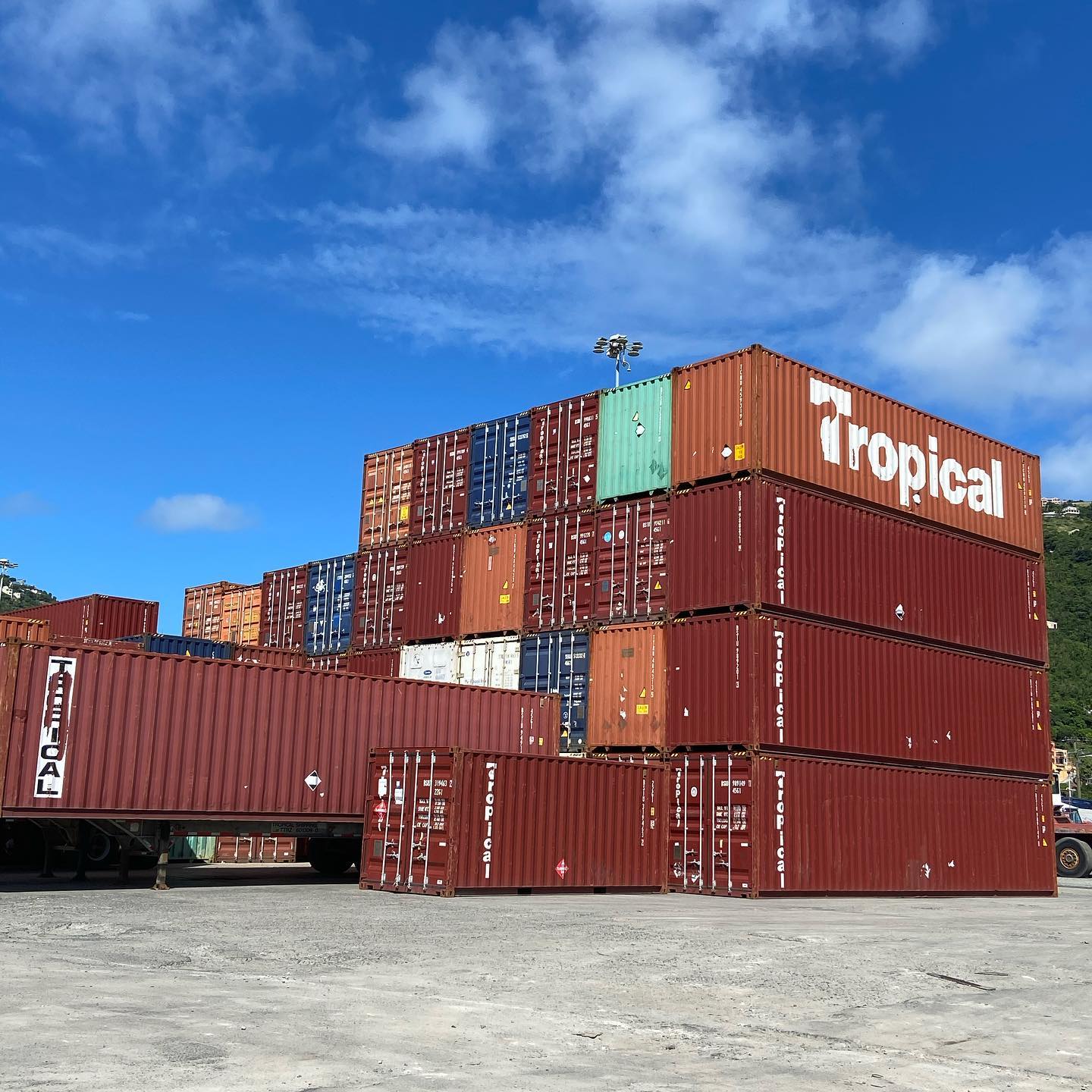
The Office of the United States Trade Representative (USTR) has exempted Caribbean shipping routes from newly proposed port fees on Chinese-built vessels. This decision follows concerted advocacy by the Caribbean Private Sector Organisation (CPSO) and regional stakeholders, who warned that the fees could have devastating economic consequences for the Caribbean.
The USTR’s initial proposal aimed to impose fees of up to $1.5 million per port call on vessels constructed in China, as part of a broader strategy to counter China’s dominance in global shipbuilding and bolster the U.S. maritime industry. However, the policy faced immediate backlash from Caribbean nations, where a significant portion of shipping relies on Chinese-built vessels.
Dr. Patrick Antoine, CEO and Technical Director of the CPSO, testified at a USTR public hearing, emphasizing that over 90% of CARICOM’s trade in goods depends on maritime transport. He warned that the proposed fees could lead to a 60% increase in shipping costs to and from the Caribbean, severely impacting economies where more than 50% of the ships are Chinese-built.
The potential repercussions were particularly alarming for smaller Caribbean states like Antigua and Barbuda, Dominica, Grenada, St. Lucia, and St. Vincent and the Grenadines, which rely heavily on short-sea shipping routes serviced by Chinese-built vessels. Prime Minister Gaston Browne of Antigua and Barbuda expressed concern that shipping a container could increase by $3,000 to $4,000, leading to an 8–10% rise in consumer prices and pushing inflation rates to potentially 12–14%.
In response to these concerns, the USTR revised its policy to exempt ships operating between U.S. domestic routes, the Caribbean, U.S. territories, and Great Lakes ports from the new fees. This adjustment aims to prevent inflation, supply chain disruptions, and surging trade costs in the region.
The exemption has been met with relief across the Caribbean. Dr. Antoine expressed gratitude to the USTR for recognizing the unique challenges faced by Caribbean economies and for taking steps to safeguard regional trade stability.
While the exemption provides immediate relief, regional leaders and industry stakeholders continue to monitor the situation closely. They advocate for long-term strategies to enhance the resilience of Caribbean supply chains and reduce dependency on external factors that could disrupt trade.








Premier Dr. the Hon. Natalio D. Wheatley has reported stronger-than-expected government revenues for 2024 and projected continued growth in 2025, crediting fiscal discipline, improved tax systems, and ongoing investment in infrastructure and public service reform.
Speaking during the Twelfth Sitting of the Second Session of the Fifth House of Assembly, Dr. Wheatley said the Virgin Islands economy demonstrated “remarkable resilience and strength” despite global inflationary pressures and other external challenges.
Preliminary estimates show that total revenue collections reached $414.61 million in 2024, surpassing the original budget by 6.9 percent. More than 90 percent of this total came from tax revenue, with the strongest growth in taxes on goods and services, payroll, and international trade.
For 2025, total revenue is projected to increase to $425.44 million, a 2.6 percent rise over 2024. The financial services sector remains the largest single source of government revenue, contributing $258.04 million.
The Premier also pointed to the implementation of the SIGTAS 3.0 tax system, which is expected to improve efficiency and accountability within the tax administration. “This reform is projected to drive a significant 13.5 percent increase in payroll tax collections,” Dr. Wheatley said, noting that the recent minimum wage increase and salary adjustments for public officers will further boost revenue performance.
On expenditure, the government has projected $393.29 million in recurrent spending for 2025 — 8.7 percent below the revised 2024 budget — signaling what the Premier described as a “considered and responsibly managed approach to spending.”
Employee compensation has been allocated $182.35 million, representing a 13.4 percent increase over 2024 actuals. Dr. Wheatley said this increase underscores the government’s commitment to public sector welfare and the implementation of key reforms recommended by the Commission of Inquiry, CFATF Mutual Evaluation, and law enforcement review reports.
Meanwhile, the goods and services expenditure category has been set at $105.84 million in the revised 2025 budget, an increase of about $11.26 million. This adjustment will support essential national needs, including expanded resources for housing and repatriation of immigration detainees, the creation of a dedicated Meteorology Department, and enhanced administrative technology systems.
Looking ahead, the Premier said the government will place greater emphasis on capital expenditure as part of the National Sustainable Development Plan, focusing on sustainable infrastructure, job creation, and economic growth.
Dr. Wheatley reaffirmed his administration’s commitment to maintaining low public debt, which stood at $163.54 million at the end of 2024 — a 5.5 percent reduction from the previous year. Debt is projected to reach $170.94 million by the end of 2025, guided by a three-year Medium-Term Debt Strategy.
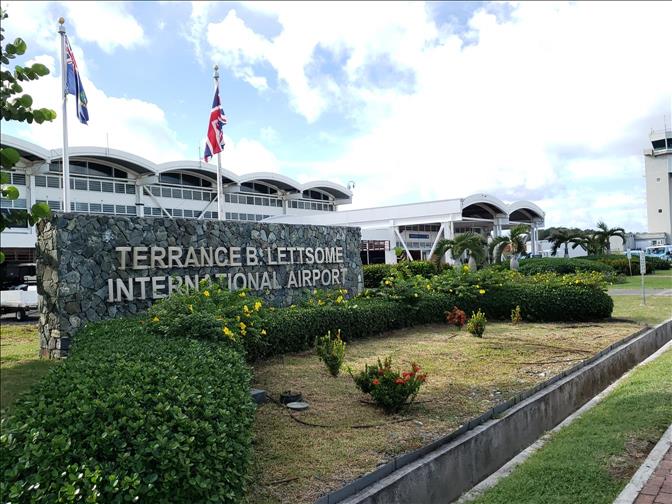
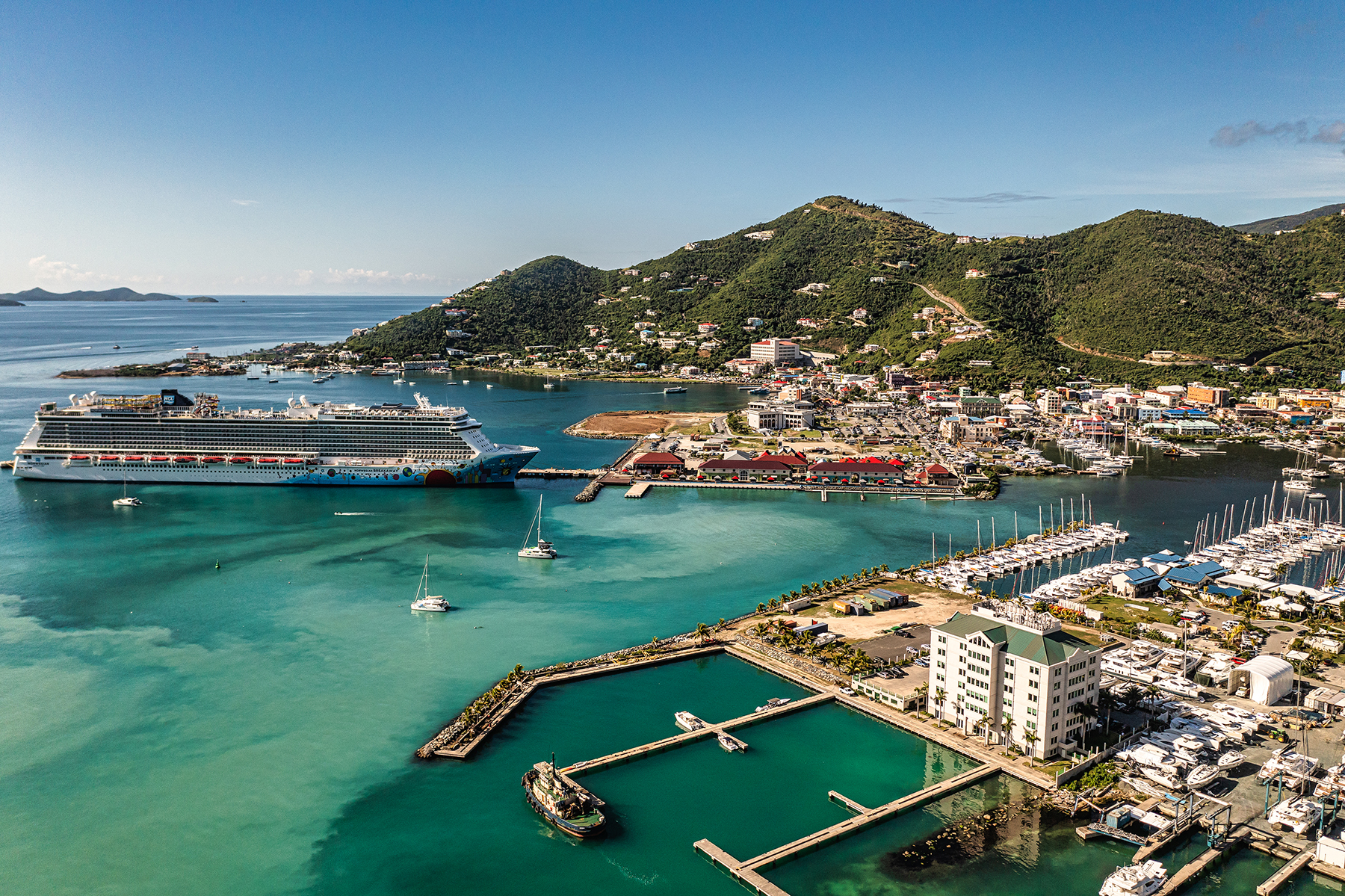
Premier Hon. Dr. Natalio D. Wheatley has reaffirmed his government’s commitment to the Terrance B. Lettsome International Airport expansion, describing the project as a strategic investment essential to the Virgin Islands’ economic future.
Speaking in the House of Assembly on November 6, during the presentation of the 2025 Budget Estimates, Hon. Wheatley emphasised that the expansion should not be viewed as traditional borrowing under the existing financial management protocols but rather as a developmental investment that will deliver lasting social and economic benefits to the territory.
“The airport expansion is not merely an infrastructure upgrade,” the Premier stated. “It is a strategic investment in the territory’s future that will yield significant social and economic transformation of the Virgin Islands.”

The proposed expansion is a central component of the government’s broader growth strategy, which seeks to enhance the Virgin Islands’ global connectivity, attract higher visitor arrivals, and create new business opportunities for local entrepreneurs.
According to Hon. Wheatley, discussions with the United Kingdom continue regarding adjustments to the Protocols for Effective Financial Management, to ensure the project can move forward under a framework that recognizes its developmental importance. He noted that the expansion aligns with the National Sustainable Development Plan, particularly the goal of building modern and resilient infrastructure to support long-term economic growth.
The Premier said that improved air access will help strengthen key industries such as tourism and financial services, while also creating jobs during and after construction. “This project will expand opportunities for Virgin Islanders and position the BVI as a more competitive destination in the region,” he said.
Hon. Wheatley added that his administration remains committed to fiscal responsibility even as it pursues major projects that will drive future growth. “Our aim is to balance sound financial management with strategic investment,” he said. “The airport expansion represents exactly that balance — progress built on prudence.”

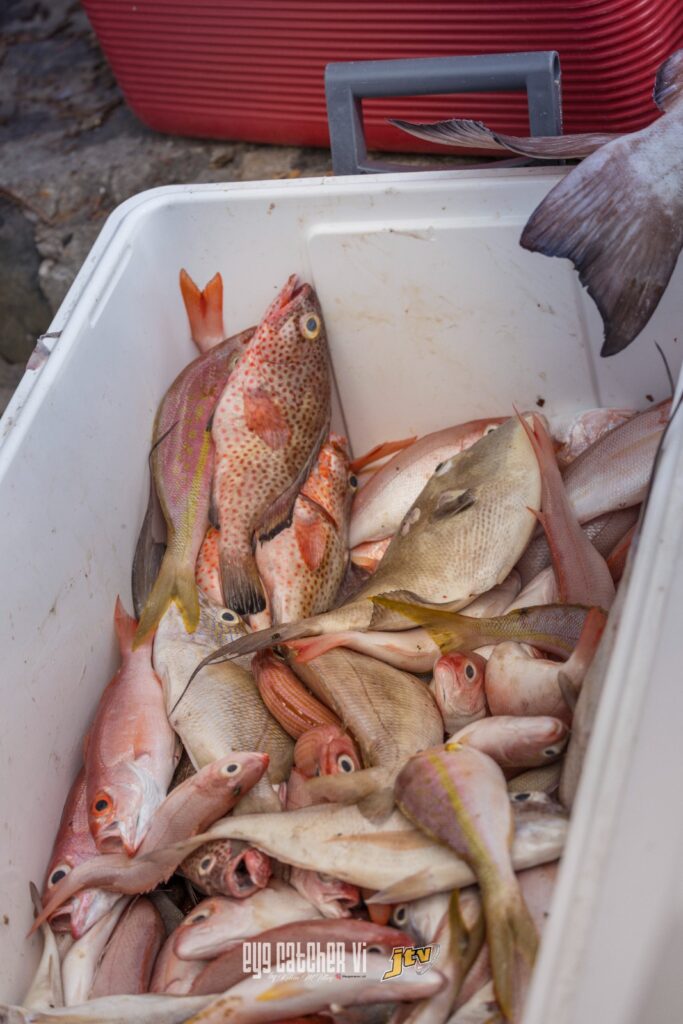
Premier Dr. the Hon. Natalio D. Wheatley announced that the government expects to approve and begin disbursing grants under the new Agriculture and Fisheries Grant Policy by the end of the year. The policy, which is currently before Cabinet, aims to provide direct financial support to local farmers and fishers across the territory.
Dr. Wheatley made the announcement during the Twelfth Sitting of the Second Session of the Fifth House of Assembly on Thursday, November 6, emphasising that the initiative is part of a broader effort to modernise and sustain food production in the Virgin Islands.
“Significant efforts have been directed towards enhancing agricultural infrastructure to better support local farmers,” he told the House. “The designs for an agricultural complex and a reservoir in Paraquita Bay, intended to provide a reliable water source, are nearing completion.”
He added that the policy will not only assist farmers and fishers financially but will also strengthen the long-term sustainability of local food systems. “Throughout the year, capacity-building initiatives targeting farmers and fishers have been introduced, focusing on essential business management, safety, and sustainability practices,” he said.
Dr. Wheatley noted that the Agriculture and Fisheries Grant Policy represents a key step in achieving food security and reducing dependence on imports. “We are committed to supporting those who grow and harvest the food that sustains our people,” he said. “By investing in our farmers and fishers, we are investing in the resilience of our Virgin Islands economy.”

Governor’s Office Delivers Trauma Risk Management Training to Frontline Officers in Virgin Islands

Maya Marcellin Departs for Teen Universe International Pageant in Nicaragua

Andrea Wilson brings Caribbean colour to the NYFW debut