Uncategorized
Premier Defends Intended Appointment of Hon. Karl Dawson as Deputy Speaker

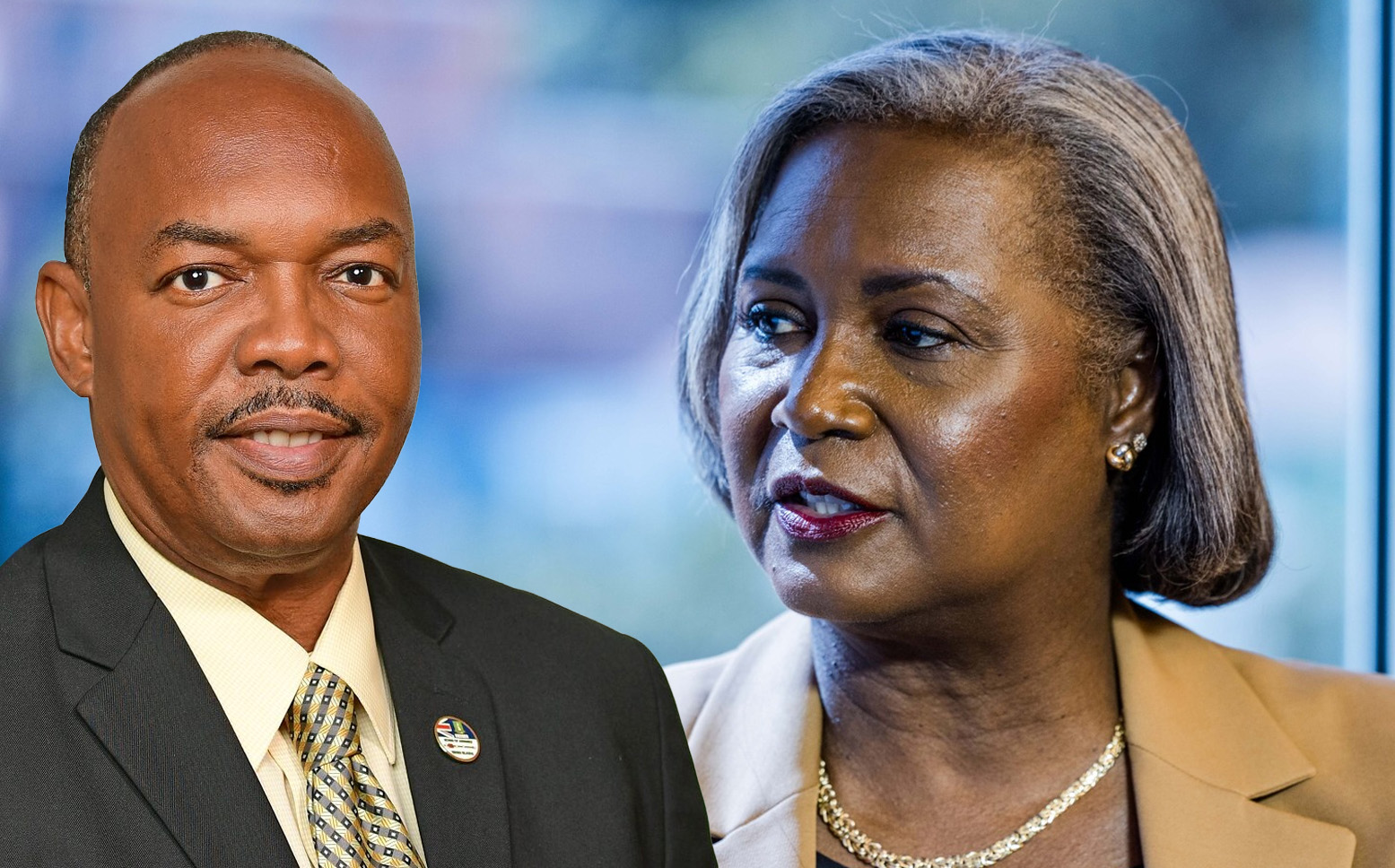
Premier Hon. Natalio D. Wheatley has defended his intended move to appoint Hon. Karl Dawson as Deputy Speaker of the House of Assembly, stating that the decision is necessary to ensure the smooth functioning of government.
During an interview on The Big Story with Cathy Richards on March 11, Premier Wheatley dismissed speculation about why Dawson was chosen over Hon. Luce Hodge-Smith, insisting that the role is of critical importance.
“I don’t think it’s important why one or the other, because the role that Hon. Dawson will be playing is an extremely important one,” Premier Wheatley said. “We are seeking to move a resolution in the House of Assembly for him to become Deputy Speaker, and I certainly think he would be excellent in the role.”
The Premier explained that the intended appointment is needed to correct an imbalance, as previous deputy speakers have traditionally come from the government’s side. The current administration, however, has only seven members, comprising five Cabinet members and two Junior Ministers, neither of whom could take on the Deputy Speaker role.
“We had somewhat of an anomaly… so it’s important for us to be able to have a Deputy Speaker who can help us to move the agenda of the government along,” he said. “I want to thank Hon. Karl Dawson for putting country above self.”
Premier Wheatley also addressed concerns about the slow progress in the agriculture sector, acknowledging public frustration. He reaffirmed his commitment to revitalising the industry, listing ongoing initiatives such as the construction of a reservoir in Paraquita Bay, the design of an agriculture and fisheries complex, grant programmes, and training through the Organisation of Eastern Caribbean States (OECS).
“We’ve breathed some life into agriculture in recent times,” he said. “We are moving to break ground on the reservoir… We’ve allocated lands, we’re surveying those lands in Anegada and Virgin Gorda. So things are happening, but I would agree with you, it has been slow, and I’m not pleased about it.”
The Premier highlighted the urgency of accelerating agricultural development, given the volatility in the global economic landscape. He pointed to trade tensions between the United States, Canada, China, and Mexico, as well as ongoing wars in Ukraine and the Middle East, which could disrupt food supply chains and drive up prices.
“My exact message [at the recent Agriculture Fair] was to recognise the urgency of this moment,” he said. “We have tariffs and trade wars… food could get more expensive.”
To mitigate these risks, the government is pursuing strategic partnerships, including negotiations with the Dominican Republic to enhance food security.
“We should be travelling to the Dominican Republic soon to cement an agreement that will give us food security,” Premier Wheatley stated. “But we on the ground here have to do our part as well… We need all hands on deck.”
The Premier urged farmers, fishers, and government officials to align with the government’s vision, emphasising that now is the time to act decisively.






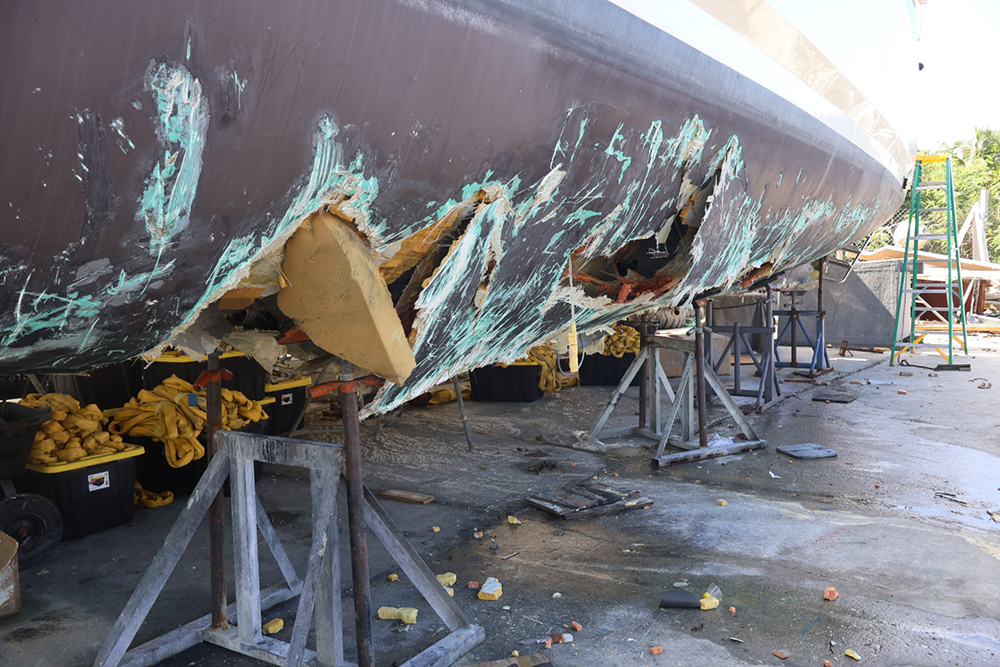
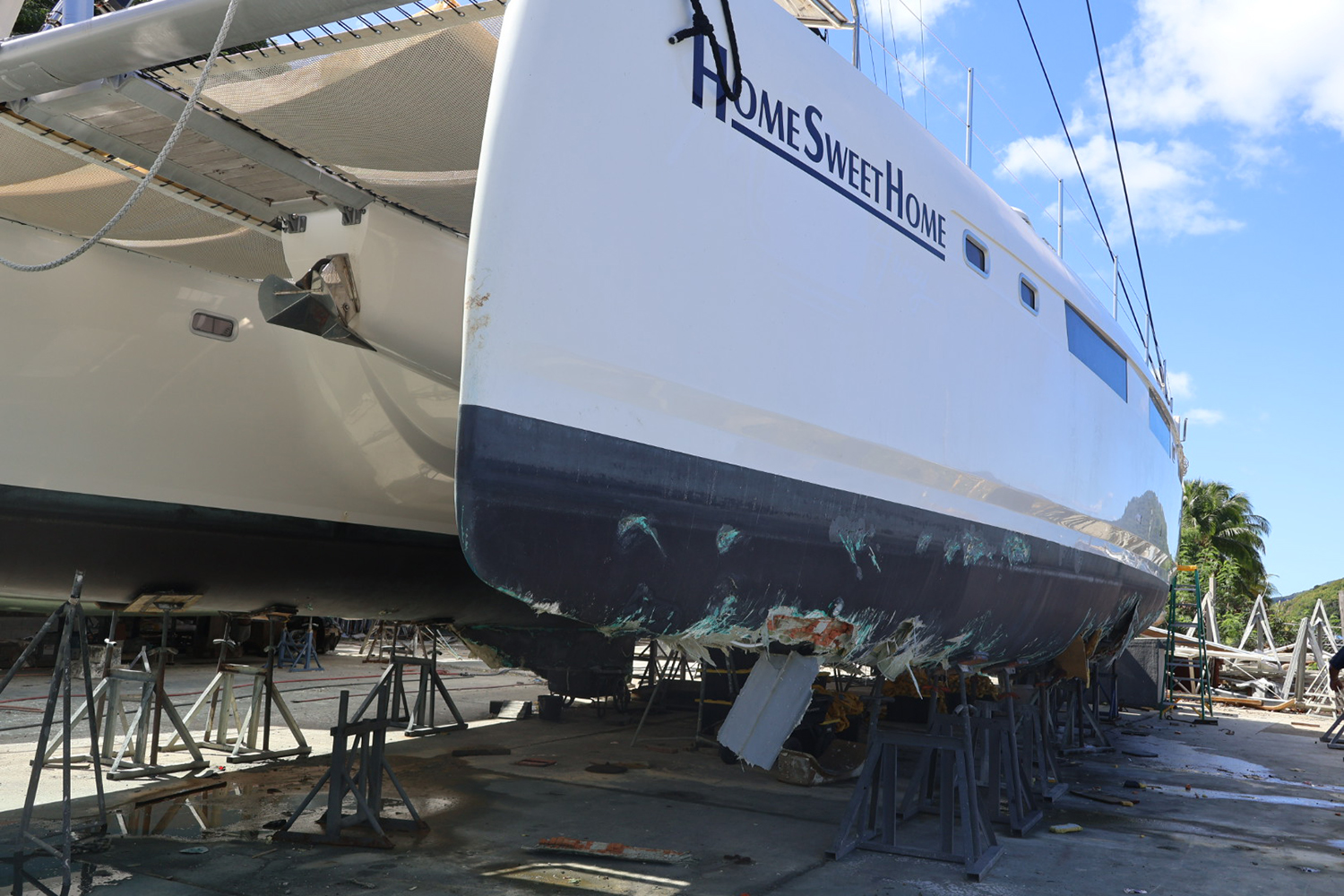
The Marine Safety Investigation and Reporting Authority has recorded 10 vessel-grounding incidents between February and December this year, including four between October and December, prompting Chief Marine Accident Investigator in the Premier’s Office, Jerome Padmore, to call on vessel owners and operators to heighten vigilance while navigating Virgin Islands waters.
“This is a significant number and it is concerning, especially given that the marine tourism season is just beginning,” Mr. Padmore said. “It highlights the urgent need to reinforce strict situational and navigational awareness when operating in local waters.”
He said the incidents primarily involved bareboat charter catamarans and occurred under varying conditions, but all shared common contributing factors: reduced situational awareness, inadequate passage planning, and over-reliance on electronic navigation systems.
Mr. Padmore said most groundings are preventable and typically result from human error rather than mechanical failure. Common causes include lapses in concentration, misinterpretation of navigation tools, incorrect assessments of shallow areas, and excessive dependence on electronic charts.
“In regions like the Virgin Islands, operators must remain vigilant due to the complex geography, which includes numerous islands, cays, reefs, shoals, and submerged rock formations,” he said. “These elements can change with tides and weather, making attention to detail essential.”
He also warned that groundings pose serious environmental risks, including damage to coral reefs, seagrass beds, and marine habitats. Even one incident, he said, can cause long-term ecosystem harm and require costly restoration efforts.
The MSIRA is urging all vessel operators—including charter crews, private owners, commercial operators, and bareboat charterers—to reaffirm their commitment to safe navigation. Recommendations include reviewing bareboat charter qualification criteria, ensuring proper briefings, consulting cruising guides and local charts before departure, following designated channels, monitoring water depth, observing navigational buoys, and reporting hazards.
All marine accidents, including groundings, must be reported to the MSIRA within 24 hours, as required under the Virgin Islands Merchant Shipping (Accident Investigation and Reporting) Regulations 2020.
Uncategorized
National Parks Trust Marks Arbour Day With Native Tree Planting at The Baths and Spring Bay
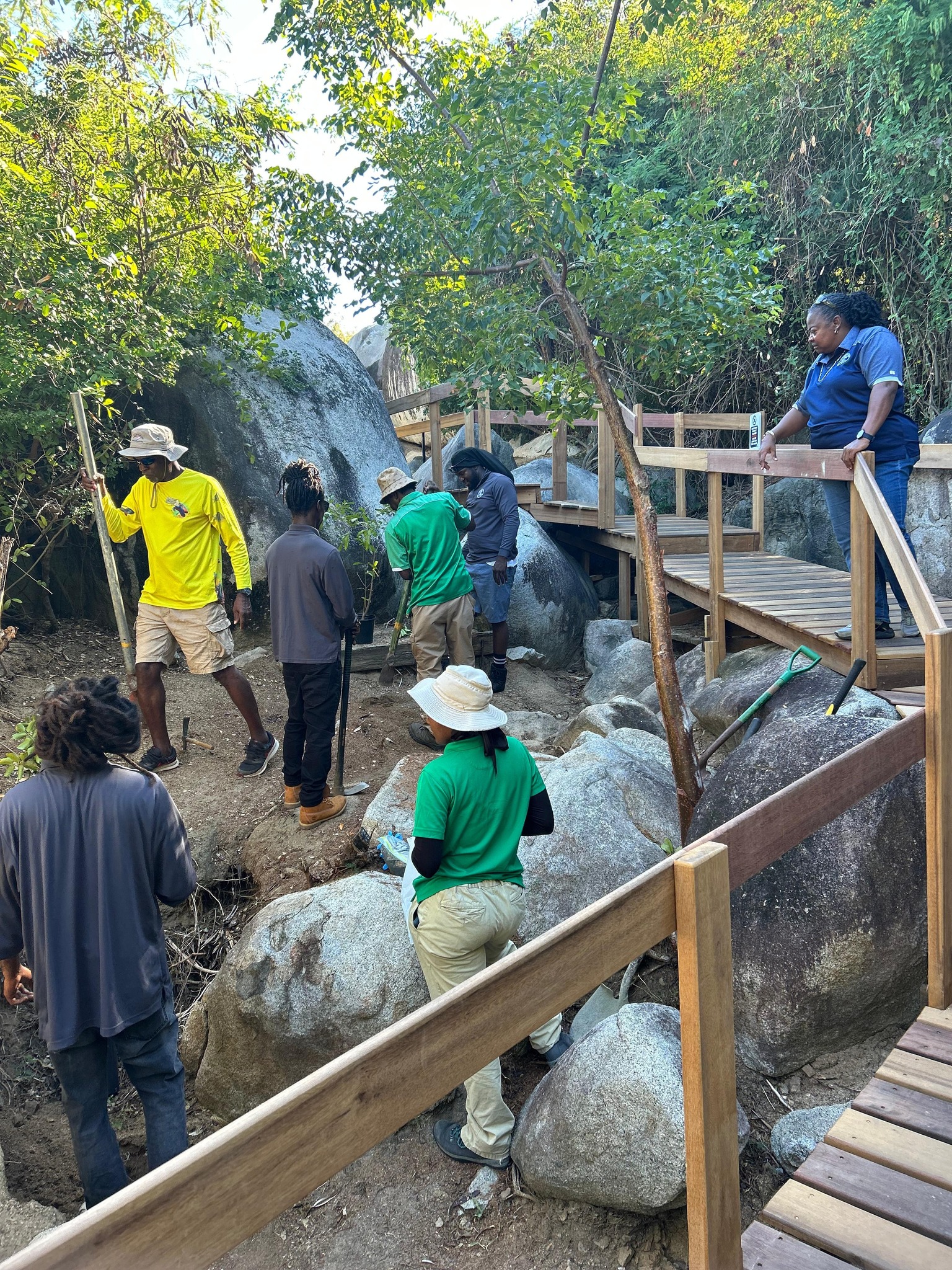
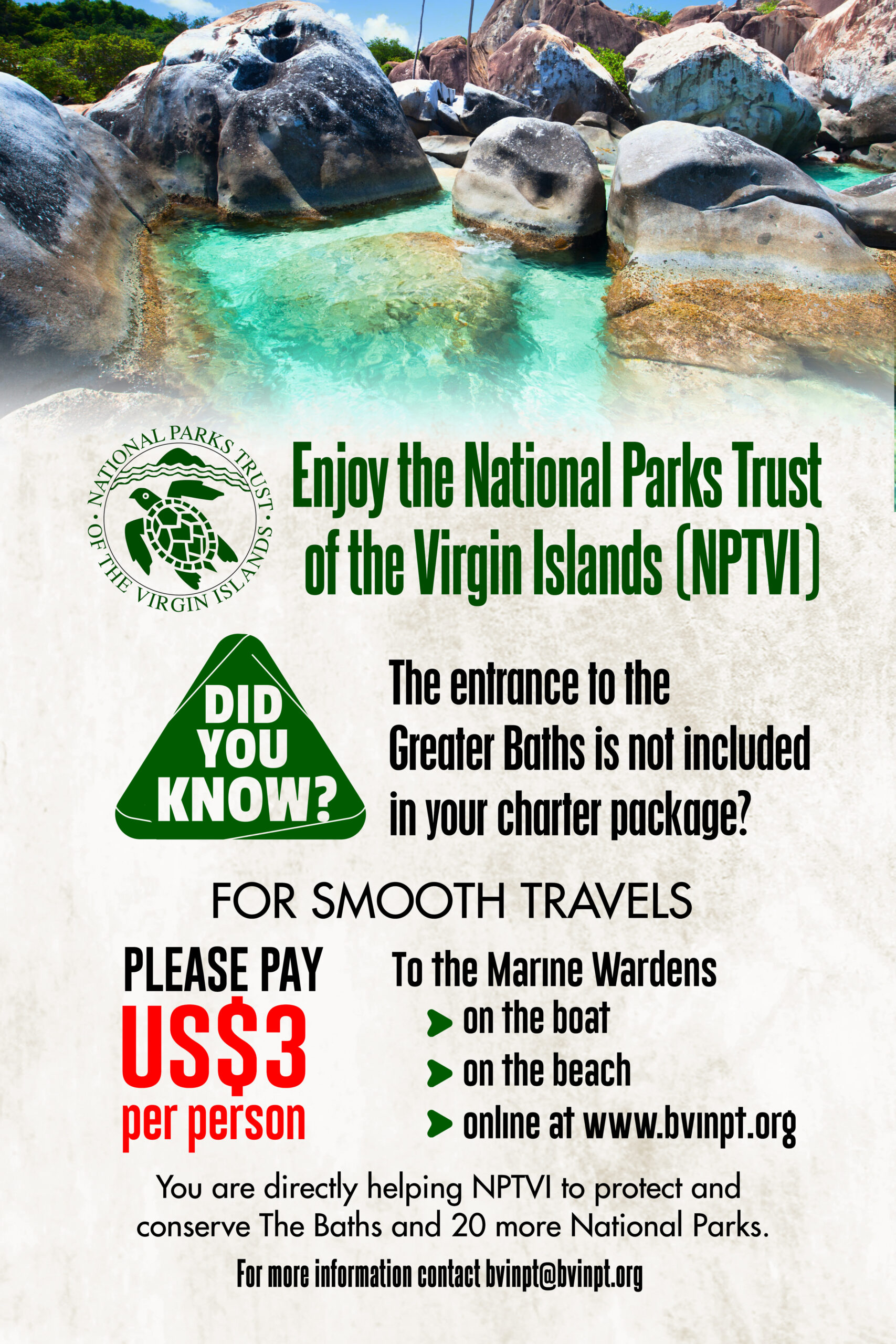
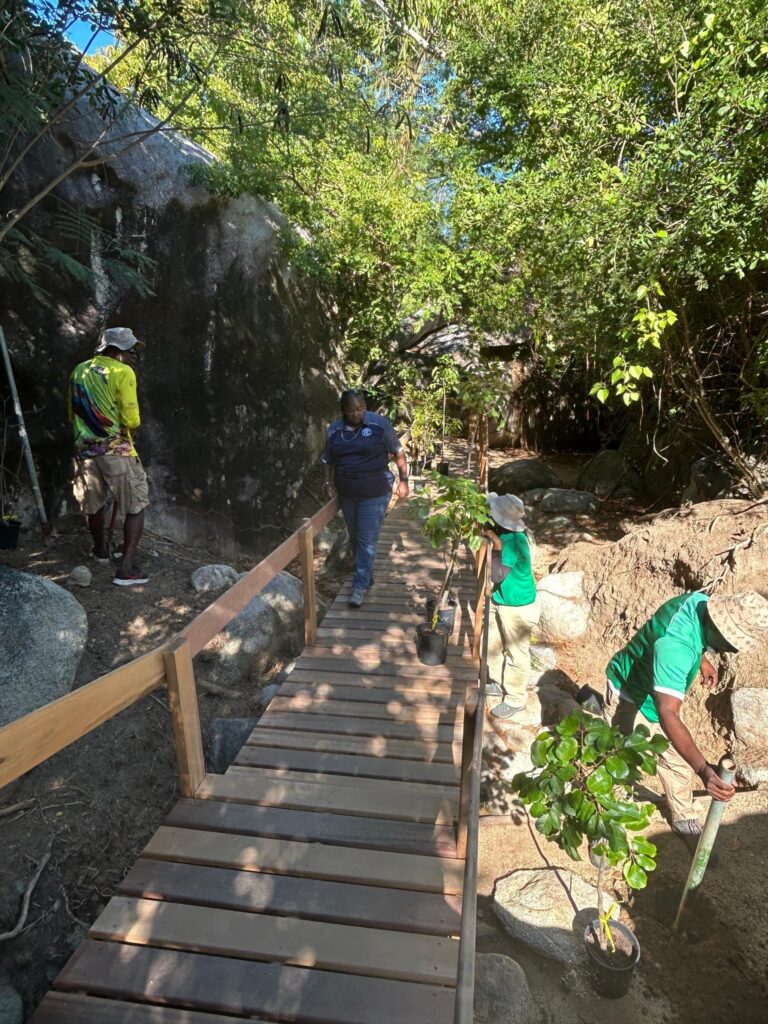
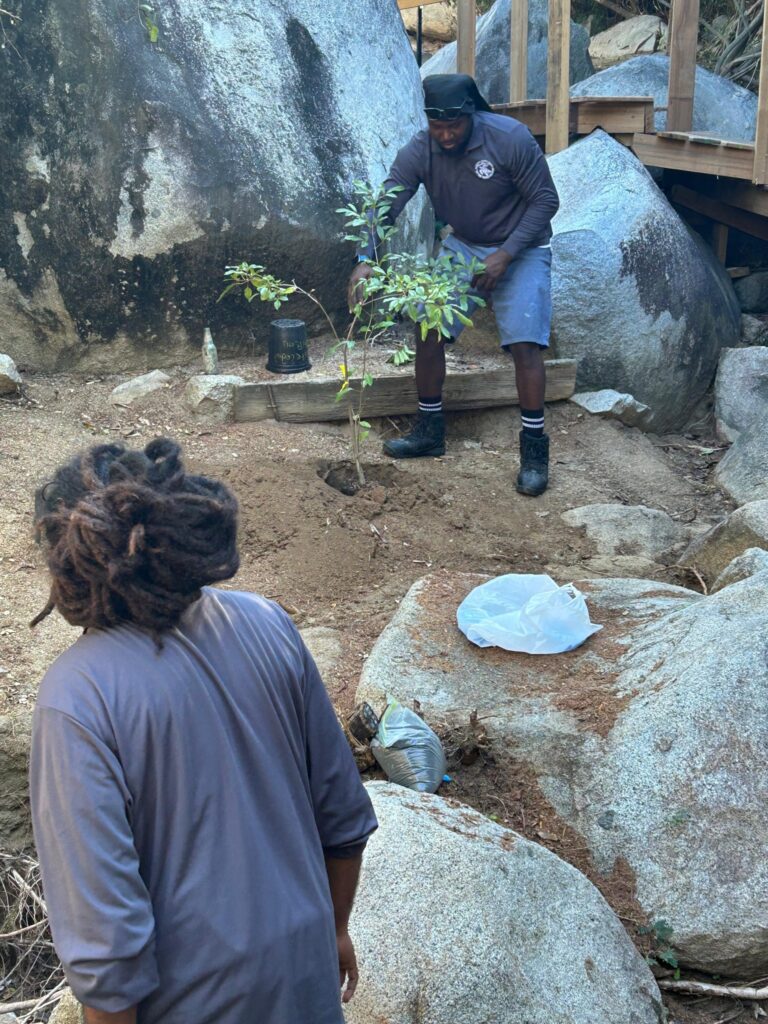
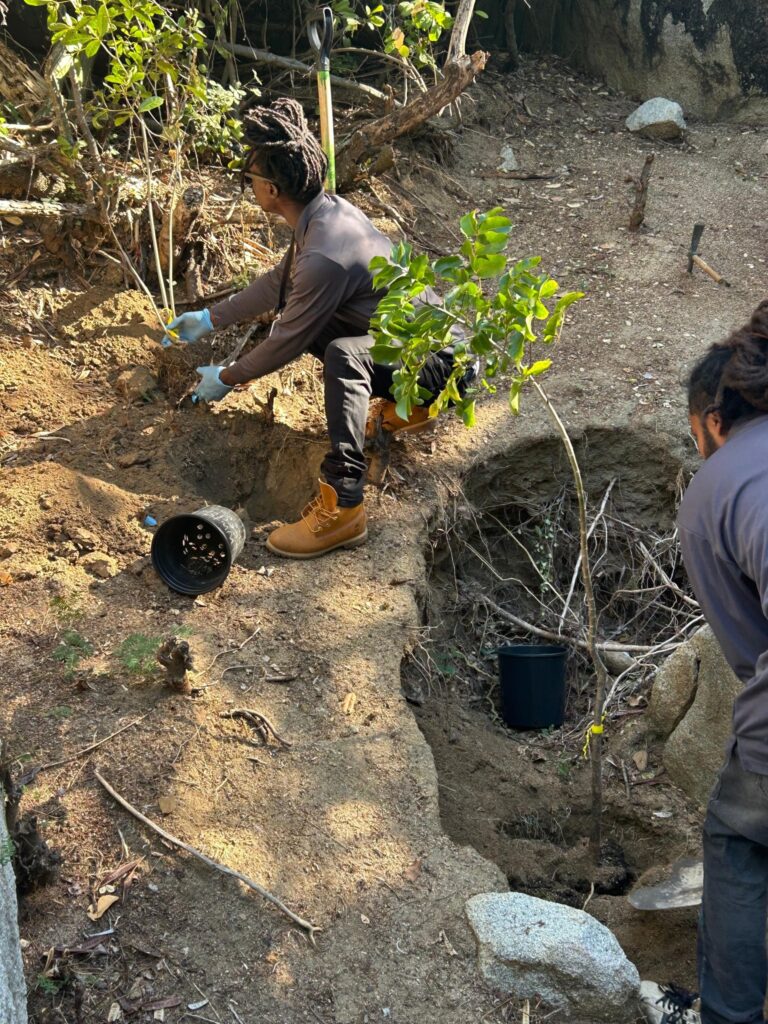
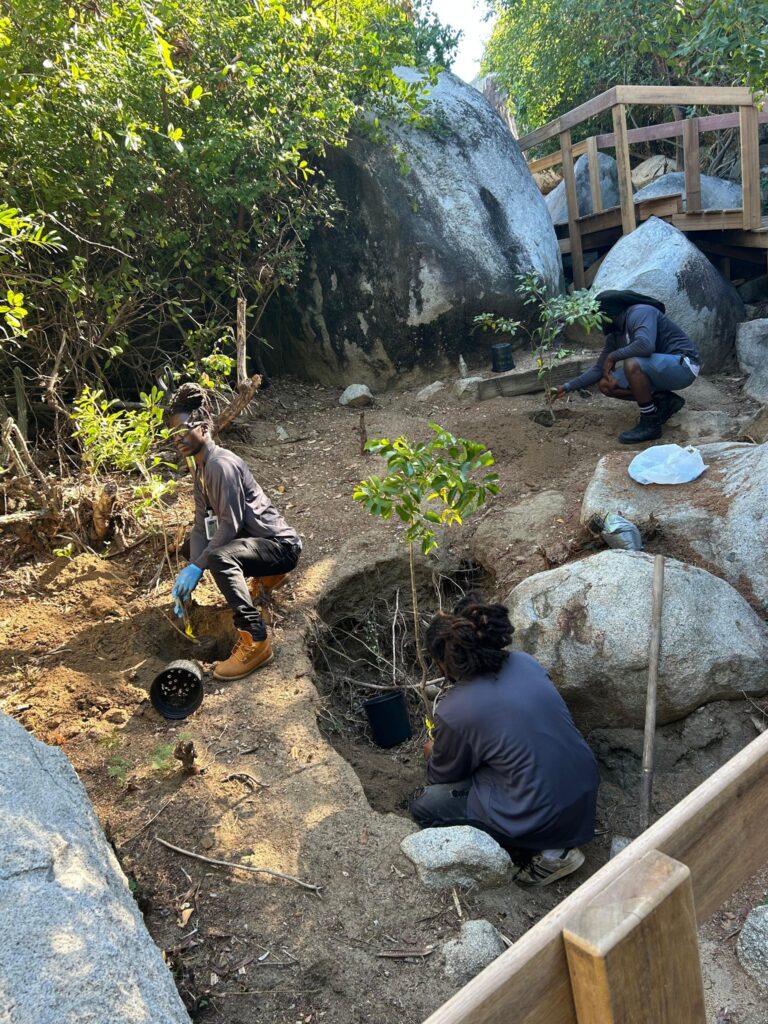
The National Parks Trust of the Virgin Islands observed Arbour Day 2025 on Nov. 21 with native tree plantings at The Baths National Park and Spring Bay National Park, part of an ongoing effort to restore natural vegetation and strengthen coastal ecosystems.
In a statement posted on its official Facebook page, the Trust said the plantings support the replacement of invasive species and the long-term health of two of the Territory’s most visited natural sites. Officials said the initiative aligns with broader conservation priorities across the national park system.
“Arbour Day is an opportunity to give back to the land that sustains us,” the Trust said. “These plantings contribute to the resilience of our coastal landscapes and help ensure these sites remain healthy for generations to come.”
Alongside the plantings, the Trust’s annual Arbour Day Plant Sale is being held at the Joseph Reynold O’Neal Botanic Gardens from Nov. 17 through Nov. 28. The sale features a variety of fruit trees, including Suriname cherry, lemon, sugar apple, sugarcane fruit, and starfruit, as well as other native species. The Trust also made available the Ylang Ylang tree, known for its fragrant yellow blossoms used in perfumery.
Residents were encouraged to take part in Arbour Day by planting trees in their communities or visiting the Botanic Gardens to purchase native species. The Trust noted that public participation plays a vital role in advancing environmental stewardship across the Territory.
Arbour Day observances highlight reforestation, biodiversity, and the importance of native vegetation — key components in safeguarding the ecological integrity of the Virgin Islands.
Uncategorized
Government Retracts Bulletin on Indefinite Work Permit Exemptions Amid Public Confusion
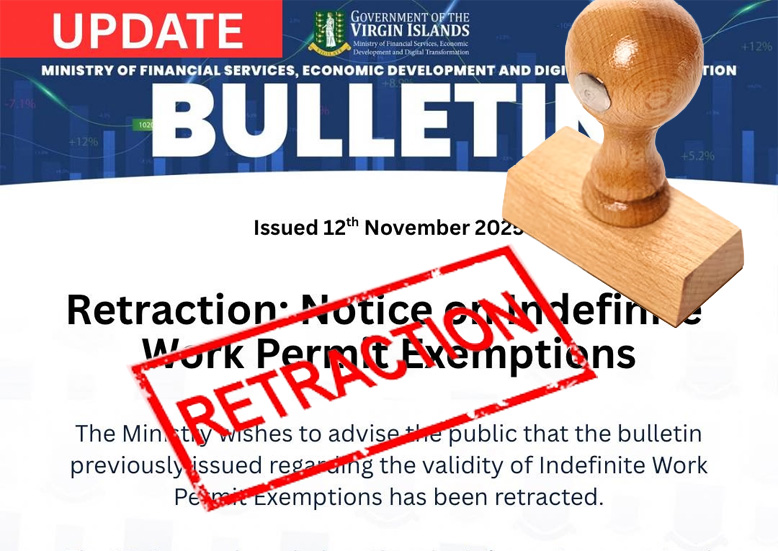
The Ministry of Labour and Workforce Development of the Government of the Virgin Islands has officially retracted a bulletin issued yesterday November 11, regarding the status of Indefinite Work Permit Exemptions.
Individuals previously granted indefinite exemptions under the categories of Marriage or Minister’s Discretion were instructed to submit renewal applications, while those under the Education category must now apply for a standard work permit. The Ministry emphasized that work permit exemptions are a privilege, not a status, and encouraged eligible residents to apply for residence status instead.

Governor’s Office Delivers Trauma Risk Management Training to Frontline Officers in Virgin Islands

Maya Marcellin Departs for Teen Universe International Pageant in Nicaragua

Andrea Wilson brings Caribbean colour to the NYFW debut