
Business
BVI Signs Strategic Marketing Agreement with US Trade Group FCCA

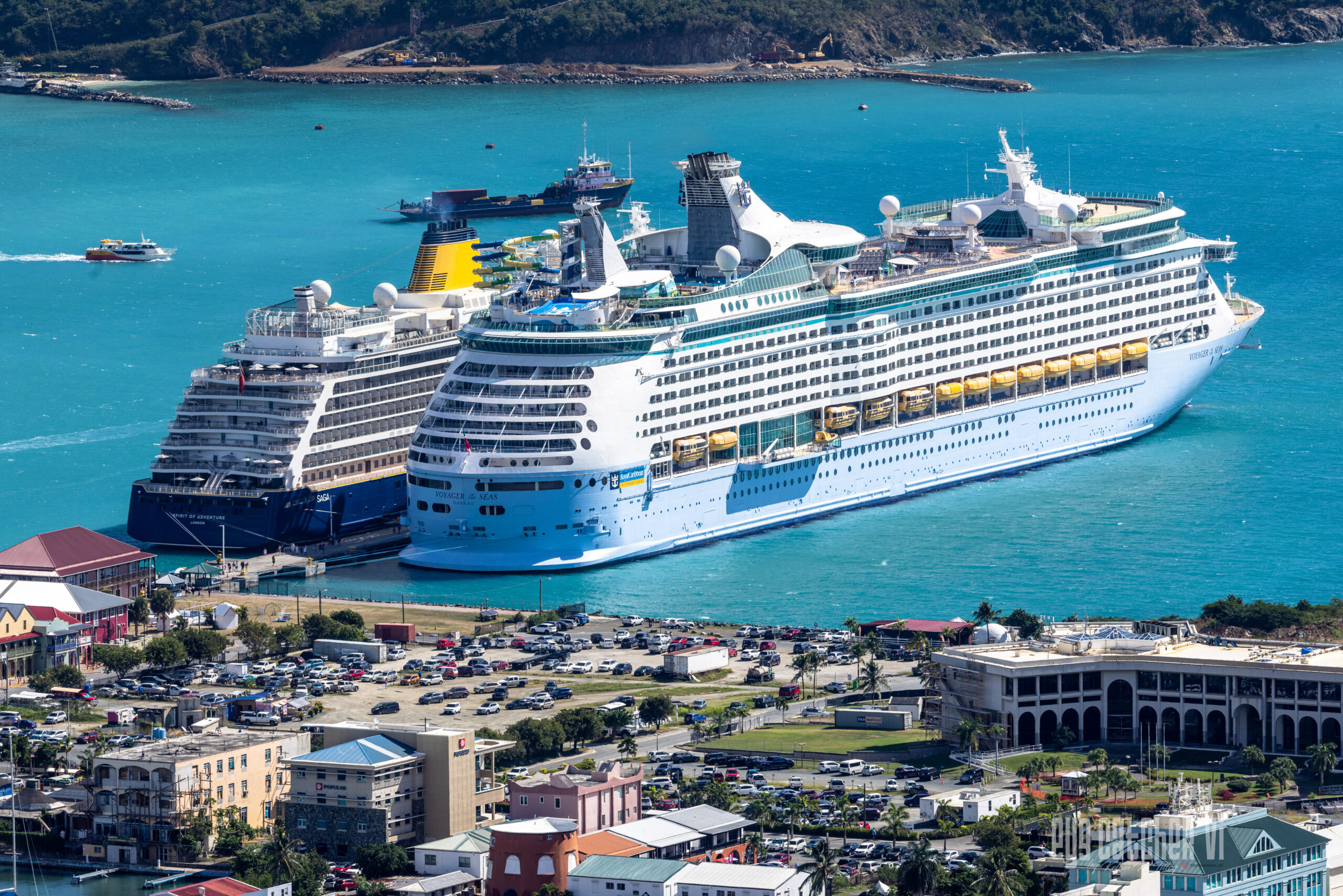
The British Virgin Islands has signed a strategic partnership with marketing trade group Florida-Caribbean Cruise Association (FCCA) to attract more cruise lines to the territory.
FCCA represents more than 90% of the worldwide cruise capacity. The contract, made public by FCCA on March 24, focuses on boosting cruise ship calls, attracting more cruise lines to the BVI, and sharing new revenue opportunities with local businesses.
The BVI joined the FCCA as a Presidential Partner in 2017 after the devastating Irma and Maria hurricanes damaged the territory’s infrastructure, including hotels, roadways and ports.
Kye Rymer, who was responsible for Communication and Works before the dissolution of the House of Assembly this month, said the territory was “excited to expand our partnership with the FCCA as strategic development destination partners. This collaboration will amplify our cruise tourism reach, improve, and develop the services and products we offer for our cruise guests and generate more opportunities for the people of the Virgin Islands in this sector.”
FCCA Chairman and Carnival Corporation Chairman Micky Arison added that the “new agreement shows the momentum that FCCA and destinations are having in working together to maximise cruise tourism’s benefits. The British Virgin Islands has been a long-standing partner of the industry, and I am thrilled that this agreement signifies the improvement of so many lives and livelihoods.”
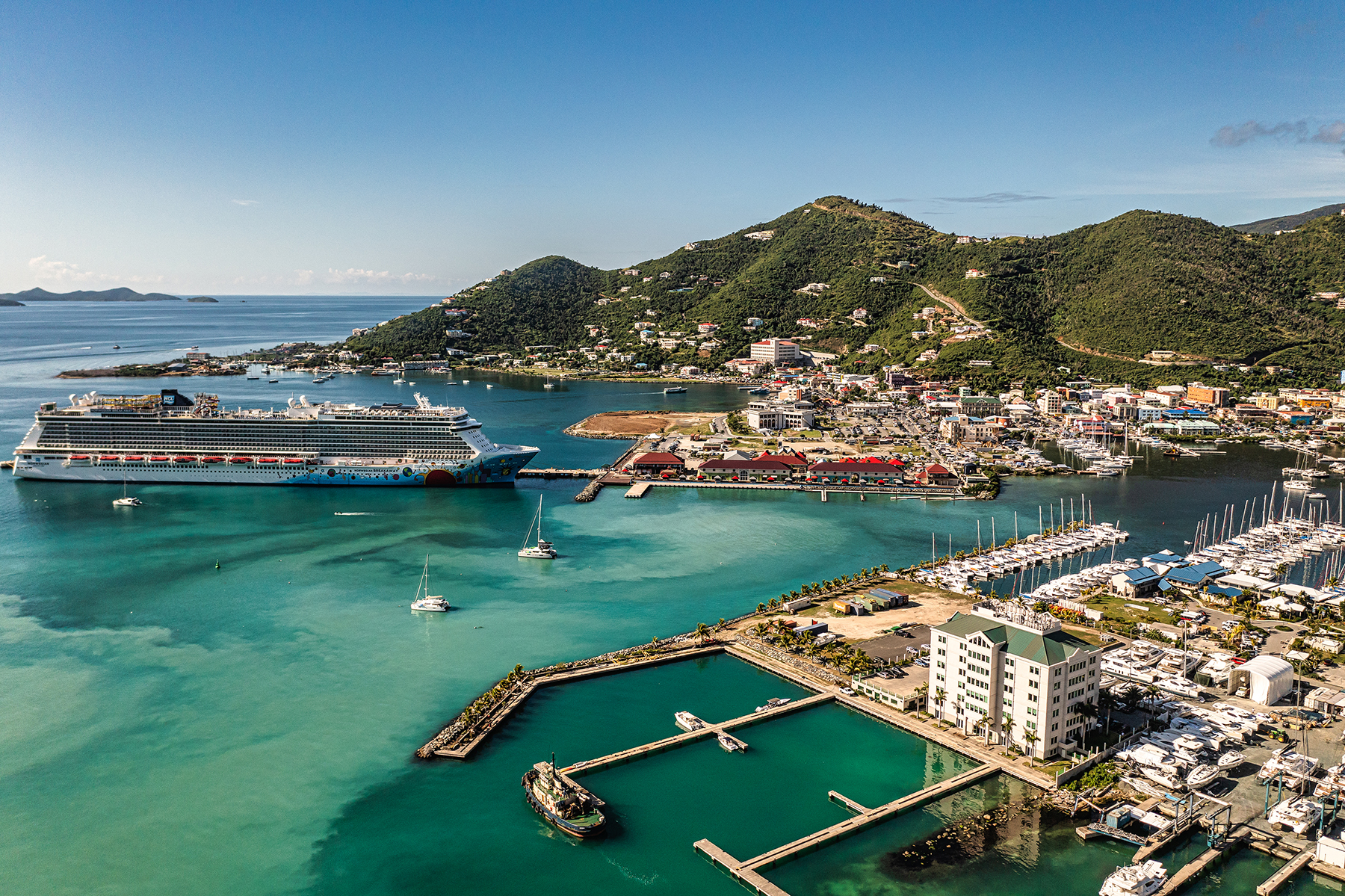
The BVI is a popular Caribbean cruise destination with main island Tortola and sister islands Virgin Gorda and Jost Van Dyke top places for tourists.
In 2020, just three years after the hurricanes Irma and Maria, the tourism revenue in the Caribbean dramatically declined as a result of the coronavirus disease (COVID-19) pandemic.
In the BVI, tourist arrivals fell from 894,991 visitors in 2019 to 305,356 visitors in 2020; and dropped further to 133,715 visitors in 2021.
But with strategic marketing measures, repairing of the damaged infrastructure, and the removal of international travel restrictions, the territory’s tourism sector saw a steady upward climb in 2022, moving from 28,224 visitors in August 2021 to 325,753 visitors.
Additionally, cruisers and day-trippers increased from 2,641 by the end of August 2021 to 204,330 for the same period in 2022, a 7,637 percent growth; while, overnighters, which stood at 27,604 by August 2021, reached 123,445 for the same period in 2022 – a 347 percent increase.
The FCCA Chairman stressed that the goals of the expanded agreement is to find “ways to convert cruise guests to land-based vacationers, increasing summer cruising to the destination, working in tandem with cruise agents and creating a destination service needs assessment that can pinpoint the BVI’s strengths as well as identify areas that need shoring up.”
Cruise ship passengers have spent a total of $9.8 million in the BVI during a single tourist season in the BVI.
The BVI Tourist Board is anticipating a solid 2022/2023 season with total arrivals of around 703,000, of which 59 percent or 411,000 visitors are expected to be cruise passengers and day-trippers, and the remaining 41 percent, about 292,000, would be overnight visitors.








Premier Dr. the Hon. Natalio D. Wheatley has reported stronger-than-expected government revenues for 2024 and projected continued growth in 2025, crediting fiscal discipline, improved tax systems, and ongoing investment in infrastructure and public service reform.
Speaking during the Twelfth Sitting of the Second Session of the Fifth House of Assembly, Dr. Wheatley said the Virgin Islands economy demonstrated “remarkable resilience and strength” despite global inflationary pressures and other external challenges.
Preliminary estimates show that total revenue collections reached $414.61 million in 2024, surpassing the original budget by 6.9 percent. More than 90 percent of this total came from tax revenue, with the strongest growth in taxes on goods and services, payroll, and international trade.
For 2025, total revenue is projected to increase to $425.44 million, a 2.6 percent rise over 2024. The financial services sector remains the largest single source of government revenue, contributing $258.04 million.
The Premier also pointed to the implementation of the SIGTAS 3.0 tax system, which is expected to improve efficiency and accountability within the tax administration. “This reform is projected to drive a significant 13.5 percent increase in payroll tax collections,” Dr. Wheatley said, noting that the recent minimum wage increase and salary adjustments for public officers will further boost revenue performance.
On expenditure, the government has projected $393.29 million in recurrent spending for 2025 — 8.7 percent below the revised 2024 budget — signaling what the Premier described as a “considered and responsibly managed approach to spending.”
Employee compensation has been allocated $182.35 million, representing a 13.4 percent increase over 2024 actuals. Dr. Wheatley said this increase underscores the government’s commitment to public sector welfare and the implementation of key reforms recommended by the Commission of Inquiry, CFATF Mutual Evaluation, and law enforcement review reports.
Meanwhile, the goods and services expenditure category has been set at $105.84 million in the revised 2025 budget, an increase of about $11.26 million. This adjustment will support essential national needs, including expanded resources for housing and repatriation of immigration detainees, the creation of a dedicated Meteorology Department, and enhanced administrative technology systems.
Looking ahead, the Premier said the government will place greater emphasis on capital expenditure as part of the National Sustainable Development Plan, focusing on sustainable infrastructure, job creation, and economic growth.
Dr. Wheatley reaffirmed his administration’s commitment to maintaining low public debt, which stood at $163.54 million at the end of 2024 — a 5.5 percent reduction from the previous year. Debt is projected to reach $170.94 million by the end of 2025, guided by a three-year Medium-Term Debt Strategy.
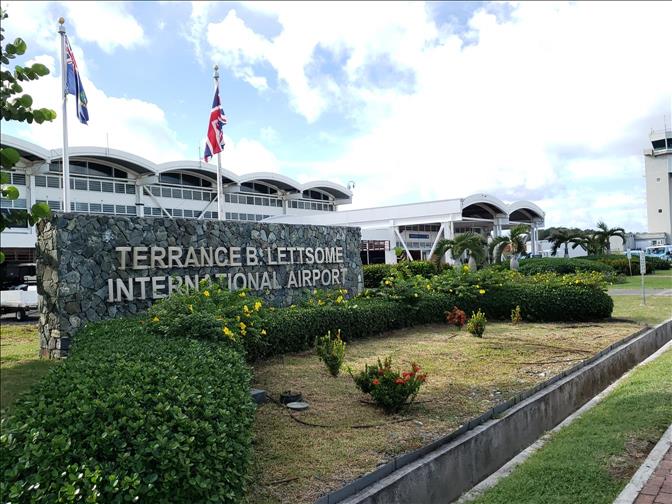
Premier Hon. Dr. Natalio D. Wheatley has reaffirmed his government’s commitment to the Terrance B. Lettsome International Airport expansion, describing the project as a strategic investment essential to the Virgin Islands’ economic future.
Speaking in the House of Assembly on November 6, during the presentation of the 2025 Budget Estimates, Hon. Wheatley emphasised that the expansion should not be viewed as traditional borrowing under the existing financial management protocols but rather as a developmental investment that will deliver lasting social and economic benefits to the territory.
“The airport expansion is not merely an infrastructure upgrade,” the Premier stated. “It is a strategic investment in the territory’s future that will yield significant social and economic transformation of the Virgin Islands.”

The proposed expansion is a central component of the government’s broader growth strategy, which seeks to enhance the Virgin Islands’ global connectivity, attract higher visitor arrivals, and create new business opportunities for local entrepreneurs.
According to Hon. Wheatley, discussions with the United Kingdom continue regarding adjustments to the Protocols for Effective Financial Management, to ensure the project can move forward under a framework that recognizes its developmental importance. He noted that the expansion aligns with the National Sustainable Development Plan, particularly the goal of building modern and resilient infrastructure to support long-term economic growth.
The Premier said that improved air access will help strengthen key industries such as tourism and financial services, while also creating jobs during and after construction. “This project will expand opportunities for Virgin Islanders and position the BVI as a more competitive destination in the region,” he said.
Hon. Wheatley added that his administration remains committed to fiscal responsibility even as it pursues major projects that will drive future growth. “Our aim is to balance sound financial management with strategic investment,” he said. “The airport expansion represents exactly that balance — progress built on prudence.”
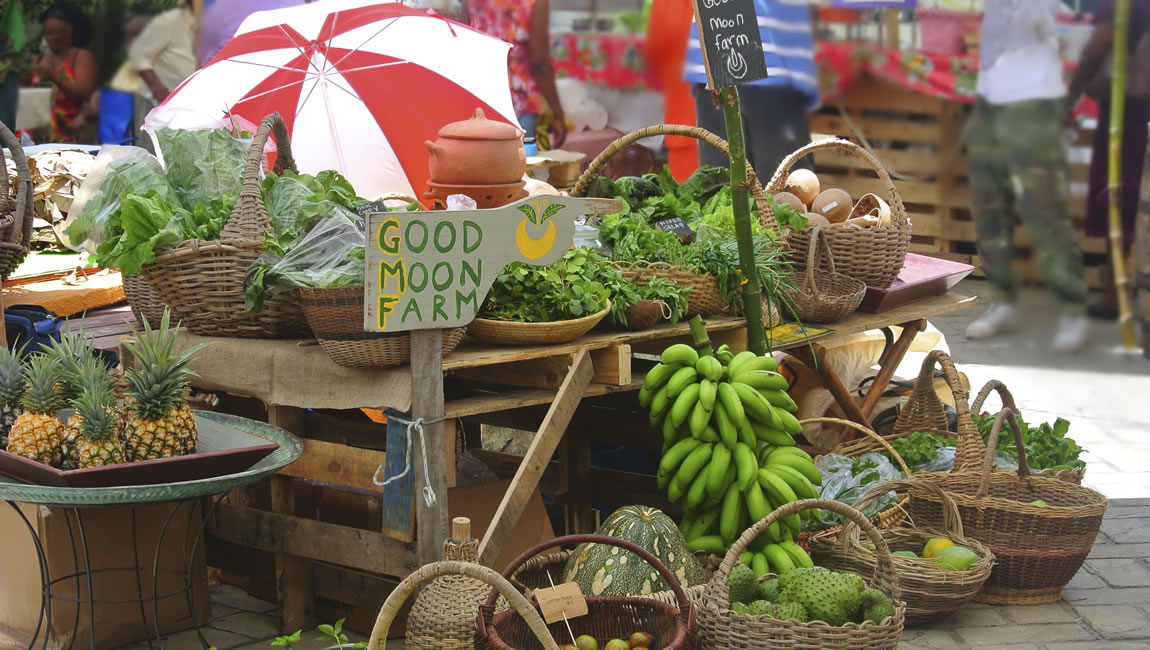
Premier Dr. the Hon. Natalio D. Wheatley announced that the government expects to approve and begin disbursing grants under the new Agriculture and Fisheries Grant Policy by the end of the year. The policy, which is currently before Cabinet, aims to provide direct financial support to local farmers and fishers across the territory.
Dr. Wheatley made the announcement during the Twelfth Sitting of the Second Session of the Fifth House of Assembly on Thursday, November 6, emphasising that the initiative is part of a broader effort to modernise and sustain food production in the Virgin Islands.
“Significant efforts have been directed towards enhancing agricultural infrastructure to better support local farmers,” he told the House. “The designs for an agricultural complex and a reservoir in Paraquita Bay, intended to provide a reliable water source, are nearing completion.”
He added that the policy will not only assist farmers and fishers financially but will also strengthen the long-term sustainability of local food systems. “Throughout the year, capacity-building initiatives targeting farmers and fishers have been introduced, focusing on essential business management, safety, and sustainability practices,” he said.
Dr. Wheatley noted that the Agriculture and Fisheries Grant Policy represents a key step in achieving food security and reducing dependence on imports. “We are committed to supporting those who grow and harvest the food that sustains our people,” he said. “By investing in our farmers and fishers, we are investing in the resilience of our Virgin Islands economy.”

Governor’s Office Delivers Trauma Risk Management Training to Frontline Officers in Virgin Islands

Maya Marcellin Departs for Teen Universe International Pageant in Nicaragua

Andrea Wilson brings Caribbean colour to the NYFW debut