Business
Government Cuts Port Fees to Ease Pressure on Businesses and Consumers
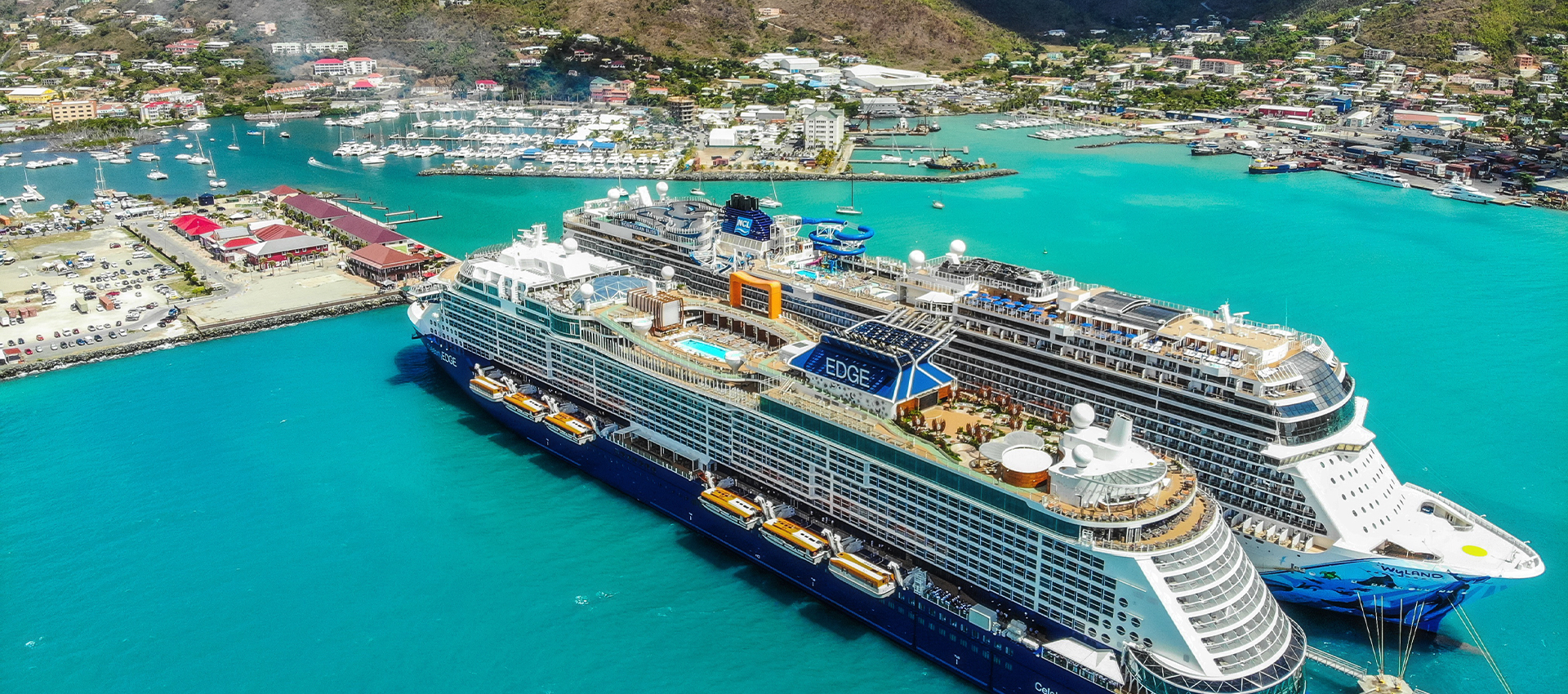
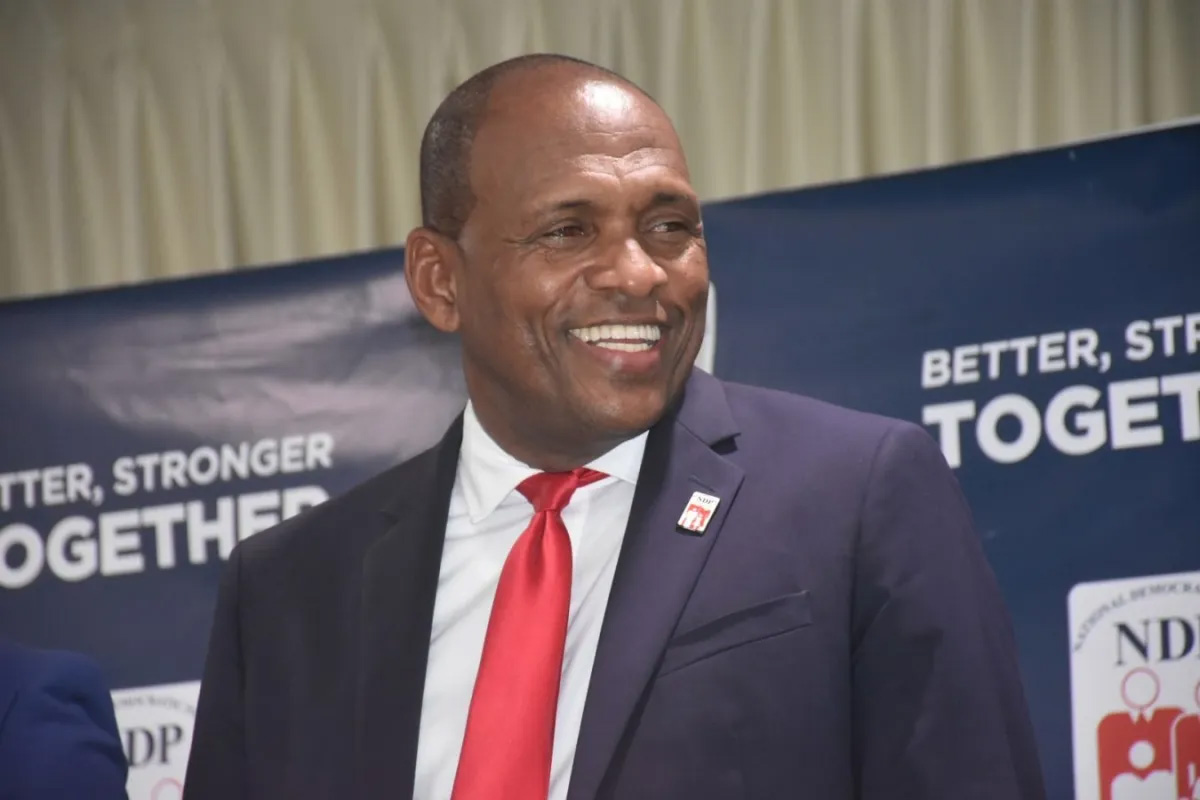
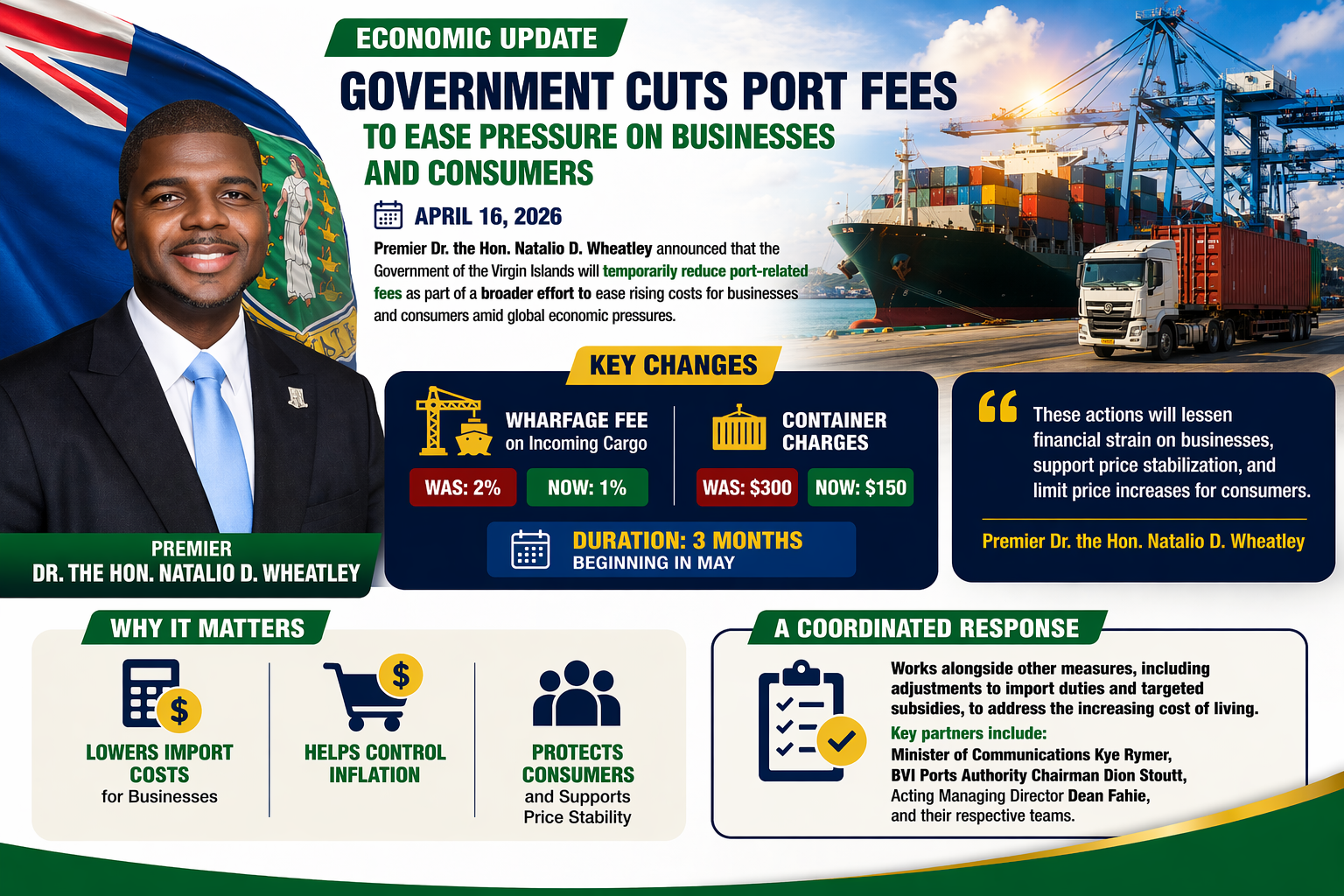
Premier Dr. the Hon. Natalio D. Wheatley announced that the Government of the Virgin Islands will temporarily reduce port-related fees as part of a broader effort to ease rising costs for businesses and consumers amid global economic pressures.
Speaking during a national address on April 16, Wheatley said the government will reduce the wharfage fee on incoming cargo from 2 percent to 1 percent and cut container charges from $300 to $150 for a three-month period beginning in May.
The measures are intended to lower the cost of importing goods into the territory, as global fuel price increases and supply chain disruptions continue to drive up shipping expenses.
Officials said the reductions are designed to relieve financial pressure on businesses and help limit the extent to which higher import costs are passed on to consumers, contributing to broader efforts to control inflation.
“These actions will lessen financial strain on businesses, support price stabilization, and limit price increases for consumers,” Wheatley said.
The announcement comes as small island economies such as the Virgin Islands face heightened vulnerability to external economic shocks due to their reliance on imported goods. Rising transportation and freight costs have been a key driver of inflation across the region in recent months.
The government said the port fee reductions will work alongside other measures, including adjustments to import duties and targeted subsidies, to create a coordinated response to the increasing cost of living.
Wheatley also acknowledged the role of key agencies in implementing the initiative, including Minister of Communications Kye Rymer, Chairman of the BVI Ports Authority Dion Stoutt, and Acting Managing Director Dean Fahie, along with their respective teams.
The concessions are expected to take effect in May, pending administrative and procedural arrangements.
Officials said the temporary reductions will be closely monitored, with the possibility of further adjustments depending on global economic conditions and their impact on the territory.
ADVERTISEMENT:


Business
Bank of Asia Deposit Remains Under Scrutiny as Auditor General Investigation Continues
The controversial $5 million government deposit into Bank of Asia remains under scrutiny as Governor Daniel Pruce confirmed Thursday that he has reviewed an internal audit report on the matter, but will withhold further comment until the Auditor General completes an independent investigation.
Mr. Pruce made the remarks during a May 7, press conference at Government House after being questioned by members of the media about the status of the investigation and whether disciplinary or criminal proceedings could follow.
“I’ve seen the internal audit report,” Mr. Pruce said. “No request has been put to me to look into this matter further. We are, of course, still in the position where the Auditor General is conducting her own investigation into this matter, and like others, I await that report.”
The deposit has remained under public scrutiny since questions emerged over how $5 million in public funds came to be placed in the now-collapsed financial institution. The issue has prompted calls for greater transparency and accountability regarding the handling of public money.

Governor Daniel Pruce
During the press conference, when asked whether the internal audit report concluded that former Accountant General Arnold Ainsley acted improperly or outside the law in authorizing the transaction. Mr. Pruce declined to discuss the contents of the report, saying it fell under the responsibility of the Ministry of Finance and Premier and Minister of Finance Dr. The Honourable Natalio D. Wheatley.
“I’m not going to go down into the detail of the report,” Mr. Pruce said. “I’ll await the Auditor General’s report and then be able to take a view thereafter.”
The governor also said it would be inappropriate to anticipate the findings of the Auditor General before the investigation is completed and formally published.
The Auditor General’s review is expected to examine the circumstances surrounding the deposit, the decision-making process involved and whether established financial procedures were followed.
Business
House of Assembly Passes Measures to Reduce Cost of Essential Goods
The Virgin Islands approved a set of targeted cost-of-living relief measures in the House of Assembly on April 30, with the provisions taking effect on May 1.
The measures, introduced in response to a global fuel crisis by Premier and Minister of Finance Natalio D. Wheatley, are intended to reduce the cost of essential goods and ease financial pressure on households and businesses. The approved and gazetted measures include the Customs Management and Duties (Amendment of Schedule 4) Order, 2026; the British Virgin Islands Ports Authority (Amendment) Regulations, 2026; and the Statutory Rates, Fees and Charges (Amendment of Schedule) Order, 2026.
A central component of the initiative is the establishment of a Protected Basket of Goods, comprising essential food, hygiene, household and medical items. Duties on these goods have been reduced, with some items set at zero percent to support affordability and stabilize prices.
The measures also revise the method for calculating customs duties, shifting to a Free-on-Board value that excludes freight and insurance costs. This adjustment is expected to reduce the total duty applied to imported goods.
In addition, the Government reduced port-related charges, including wharfage and container handling fees. Officials said the reductions are expected to lower operating costs for businesses and contribute to more stable pricing in the marketplace.
The measures will remain in effect through July 31, 2026.
“The passage of these measures represents a decisive and responsible step by the Government to protect consumers, support businesses, and maintain economic stability across the Virgin Islands,” Premier Wheatley said.
He added that the Government will continue to monitor the impact of the measures and take further action if necessary to safeguard economic conditions in the territory.
Business
Spirit Airlines Shutdown Drives Up Travel Costs for Virgin Islands Travelers
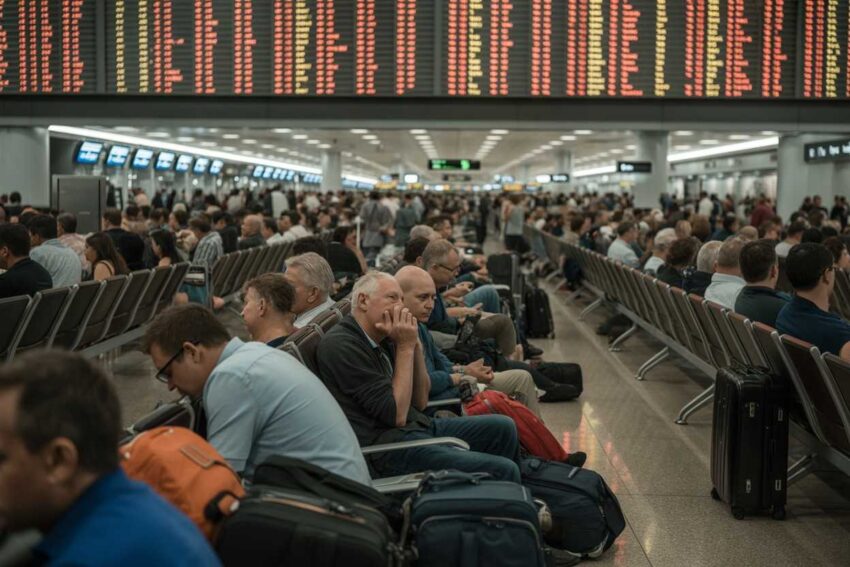
The abrupt shutdown of Spirit Airlines on May 2 has led to sharp increases in airfares for travelers in the Virgin Islands, where many residents rely on flights out of St. Thomas for affordable travel to the United States.
Spirit Airlines ceased operations “effective immediately” after failing to secure a $500 million bailout, canceling all flights and leaving passengers stranded across the United States and Caribbean.
The impact has been immediate in the Virgin Islands, particularly for travelers returning from Carnival activities, who have reported significantly higher costs to leave St. Thomas. Some passengers said they were forced to pay as much as “$900 for one-way tickets” after scrambling to rebook flights on other airlines.
Others described the situation as chaotic, with flights canceled with little notice. One traveler said her flight was canceled “only eight hours prior” to departure, forcing last-minute arrangements at elevated prices.
For residents of the British Virgin Islands, the disruption is compounded by long-standing travel patterns. Many BVI residents routinely travel by ferry to St. Thomas to access lower-cost flights, particularly on Spirit Airlines, which historically offered some of the cheapest routes to destinations such as Fort Lauderdale.
With the airline’s exit, those options have disappeared, and competing carriers have struggled to meet demand. While some airlines introduced reduced or capped “rescue fares,” availability has been limited, and prices remain significantly higher than Spirit’s typical rates.
Industry analysts say the loss of Spirit, known for its ultra-low fares, is expected to drive up ticket prices. “Any time you have a reduction in capacity and demand increases, airfares have nowhere to go but up,” said CBS News travel editor Peter Greenberg.
Across the region, travelers have also turned to social media to express frustration, with some reporting they had to seek financial help to afford replacement flights after cancellations.
Spirit’s closure follows years of financial instability, rising fuel costs and failed merger attempts, culminating in the airline grounding its fleet after 34 years of operations.
For the Virgin Islands, the loss of a major low-cost carrier is expected to have longer-term implications, particularly for budget-conscious travelers and those who depend on St. Thomas as a gateway to international travel.
-
Local News1 week agoPreparedness Central to Protecting Virgin Islands, Premier Says
-
Entertainment1 week agoMystiq Flax Charles Lands International Modeling Representation After Title Win
-
International1 week agoBVI Delegation Engages CARICOM Ambassadors in Taiwan to Strengthen Regional Ties
-
Health1 week ago
Healthcare System Faces Strain Amid Staffing Shortages and Leadership Vacancies
-
Local News1 week ago
Skelton Cline Says Fahie Fallout Still Affecting Virgin Islands
-
Crime/Police6 days agoGovernor Rejects PSC Recommendation for Police Commissioner, Orders New Recruitment Process
-
Local News1 week agoMotorists Advised of Delays as Sea Cow’s Bay Works Continue
-
Entertainment6 days ago“He Wants It”: Jason Gardener Backs Mystiq for Global Fashion Career