
The Government of the Virgin Islands is moving to activate long-delayed consumer protection legislation as part of a broader response to rising living costs, with officials signaling increased oversight to address potential price gouging and unfair business practices.
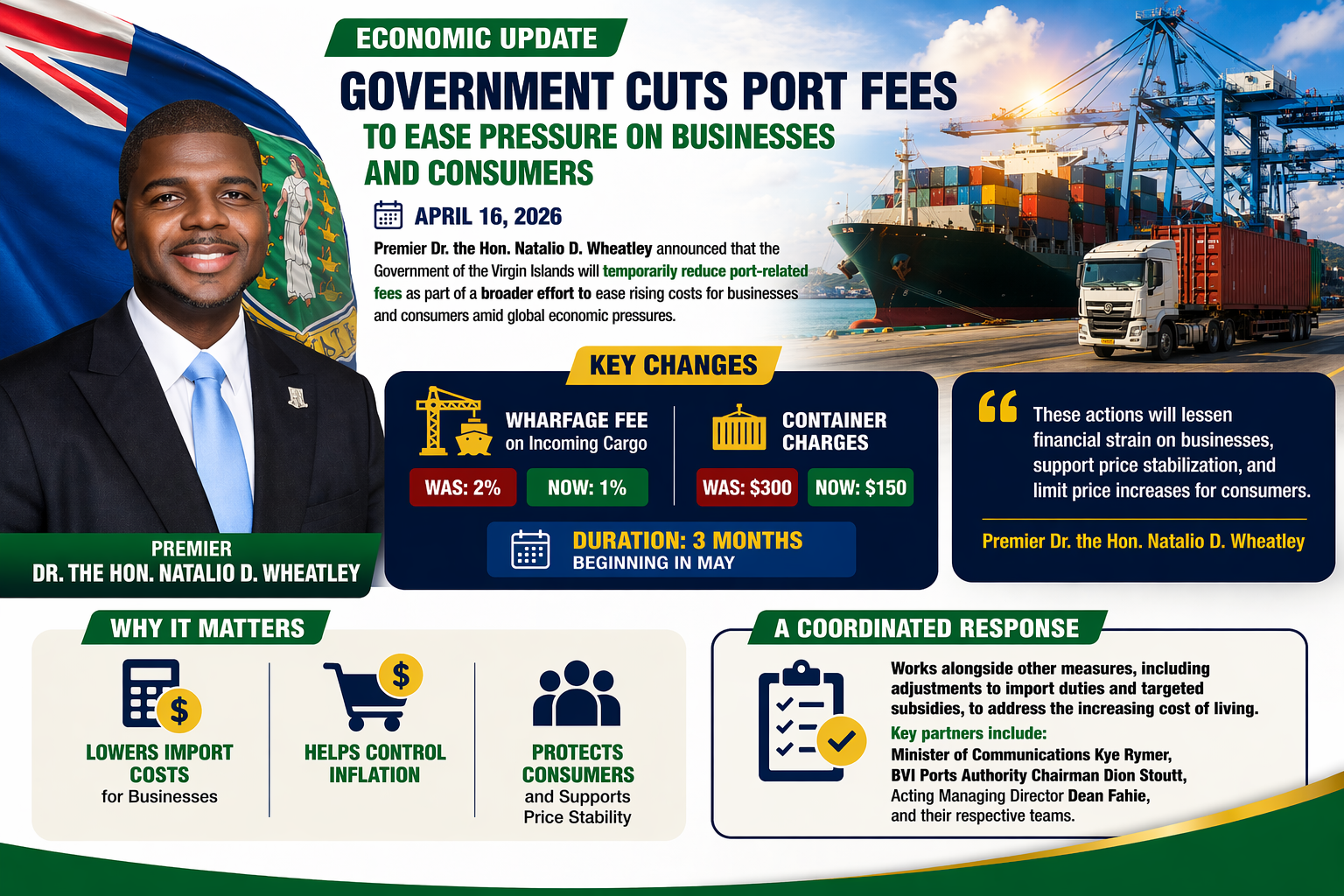
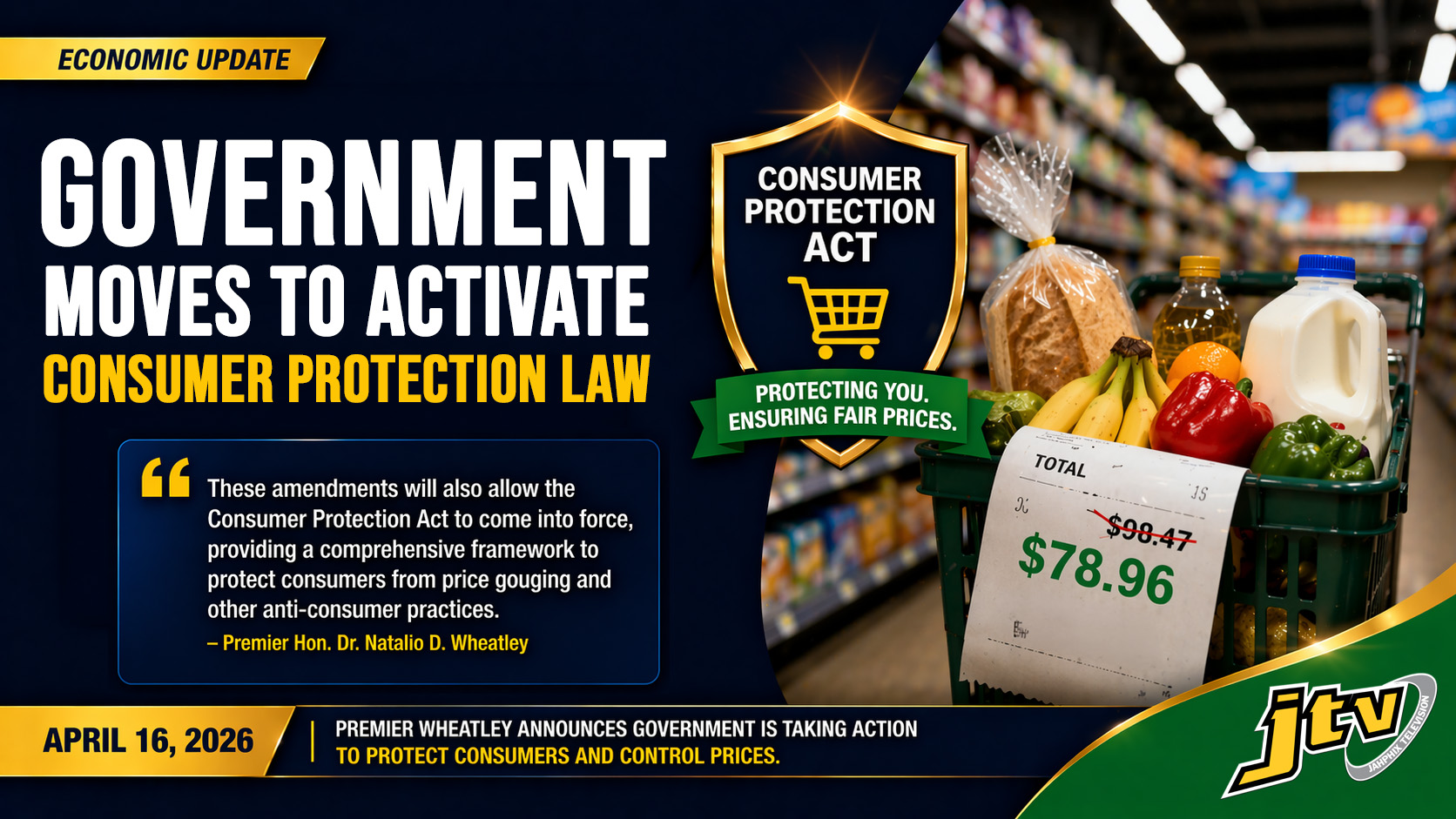
Premier Dr. Hon. Natalio D. Wheatley announced during a national address on April 16 that legislative amendments are being prepared to bring the Consumer Protection Act into force, alongside new regulations aimed at monitoring and controlling prices on essential goods.
The move comes as global disruptions to energy markets and supply chains continue to drive up the cost of imported goods, placing additional strain on households and raising concerns about pricing practices within the local market.
“These amendments will also allow the Consumer Protection Act to come into force, providing a comprehensive framework to protect consumers from price gouging and other anti-consumer practices,” Wheatley said.

The planned measures are expected to introduce formal mechanisms for price regulation, particularly tied to the government’s proposed “basket of goods” initiative, which targets essential food and household items. Officials said the framework will allow authorities to intervene where necessary to prevent excessive markups and ensure that relief measures translate into actual savings for consumers.
Consumer protection legislation has been under discussion in the territory for several years but has not been fully implemented. The renewed push reflects growing urgency as inflationary pressures intensify and the cost of basic goods continues to rise.
Economists note that small island economies such as the Virgin Islands are especially vulnerable to price shocks due to their reliance on imports, limited market size and exposure to global supply chain disruptions. In such environments, regulatory oversight is often used to prevent market distortions and protect consumers during periods of economic volatility.
The government’s approach also places responsibility on the private sector to align with broader economic relief efforts. Wheatley urged businesses to pass on savings from reduced duties and fees to consumers, warning that the effectiveness of government intervention depends in part on cooperation from retailers and suppliers.
The activation of the Consumer Protection Act is expected to strengthen enforcement capabilities, including the ability to investigate complaints, regulate pricing practices and impose penalties for violations.
Officials said the measures will require Cabinet approval and legislative action, with implementation expected in the coming weeks.
The government indicated that additional policies may be introduced as conditions evolve, with continued monitoring of global economic developments and their impact on the territory.