



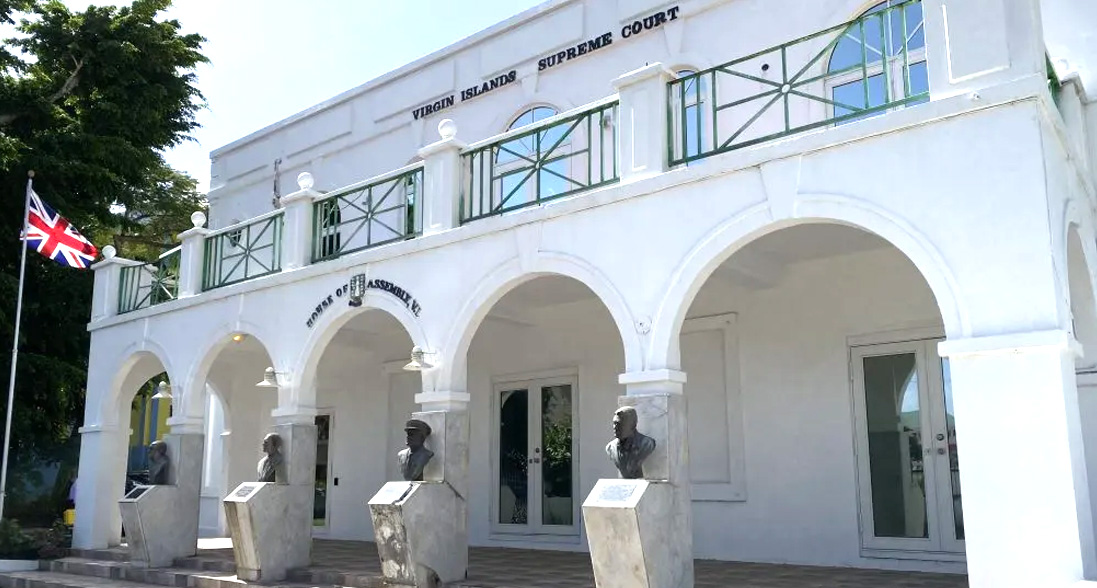
Concerns are being raised about how decisions are being made within the House of Assembly, with criticism focusing on the absence of data, limited public transparency and questions about whether sufficient expert guidance is being used in shaping national policies.
During the April 14 broadcast of Honestly Speaking on ZBVI Radio, host Claude Skelton Cline questioned the basis on which key national decisions are being taken, particularly in relation to ongoing constitutional discussions. “What measurements are being used?” he asked, pointing to what he described as a lack of data-driven decision-making.
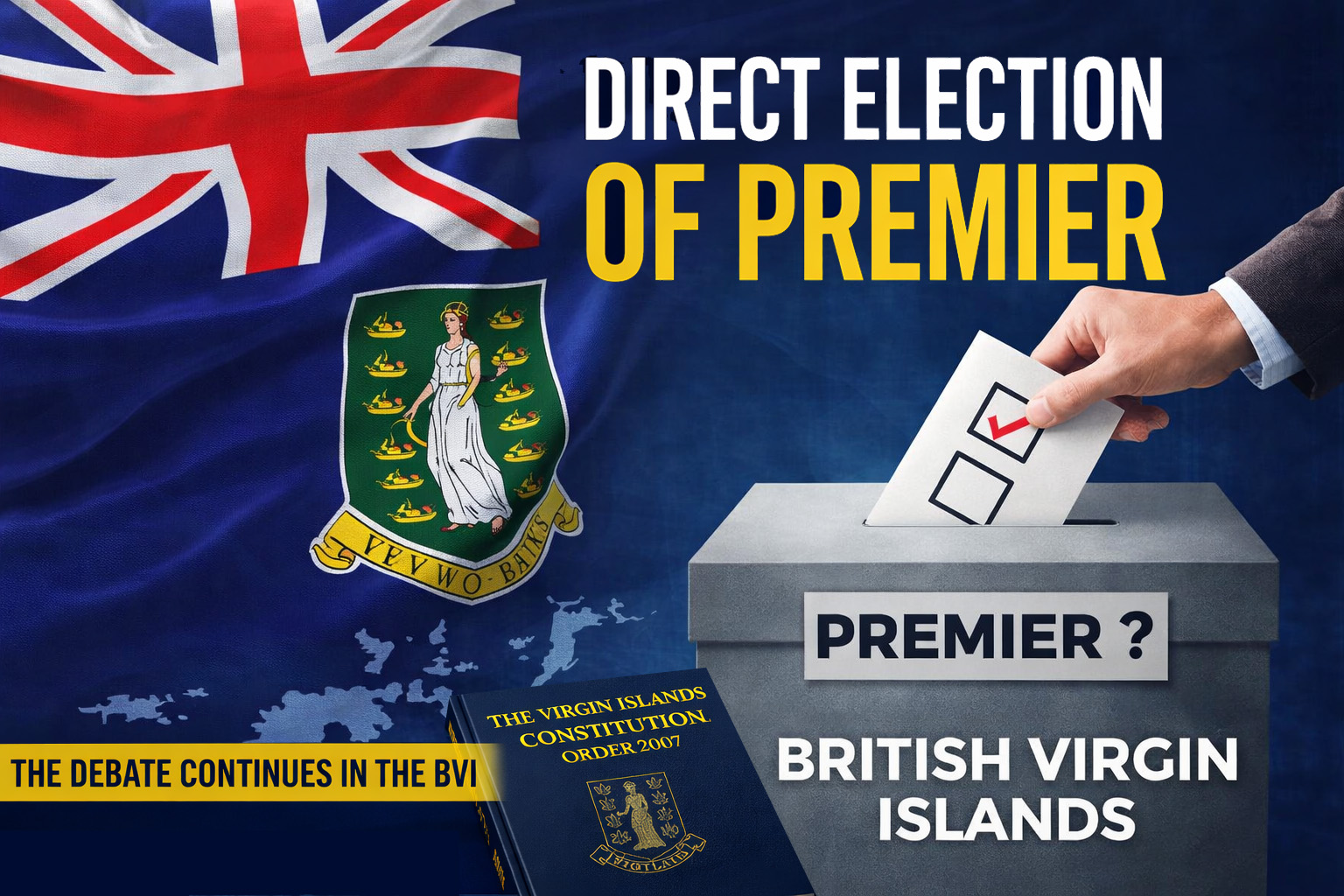
The House of Assembly is the territory’s legislative body, responsible for making laws, approving budgets and overseeing government actions. It operates within the framework of the Virgin Islands Constitution Order, 2007, which outlines governance structures, including the role of elected members and the appointment of the Premier.
Skelton Cline said that while major policy decisions are being discussed, including constitutional reform, there is little public evidence that those decisions are being guided by comprehensive data such as census information or national assessments. “We don’t even know how many people are in the country,” he said, questioning how planning decisions can be made without current population data.
He also raised concerns about whether constitutional expertise is being sufficiently utilized. “Which constitutional lawyer… sat with you through this exercise?” he asked, referring to the ongoing review of governance structures.
Under the current system, the House of Assembly consists of 15 members, including 13 elected representatives, and serves as the primary law-making body in the territory. The body is also responsible for debating and shaping policies that affect national development, including constitutional reforms that may require approval from the United Kingdom.
Skelton Cline said decisions of this scale require a higher level of technical input and evidence-based planning, particularly given the long-term implications. He compared the process to making decisions without proper measurements, stating that policies should be informed by verifiable data rather than assumptions.
“Imagine… making decisions based on what you feel, what you think, what you’re guessing,” he said.
The comments come amid ongoing public discussion surrounding governance and constitutional reform in the Virgin Islands, including calls for greater accountability and transparency in decision-making. While the territory maintains internal self-governance, significant structural changes to its political system must align with the existing constitutional framework and, in some cases, receive approval from the United Kingdom.
Skelton Cline urged both officials and the public to seek clarity on how decisions are being made and what information is being used to support them, emphasizing the need for accountability in governance.
































 is the #1 BVI news source: British Virgin Islands television, breaking news, politics, entertainment, sports, business)