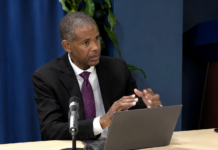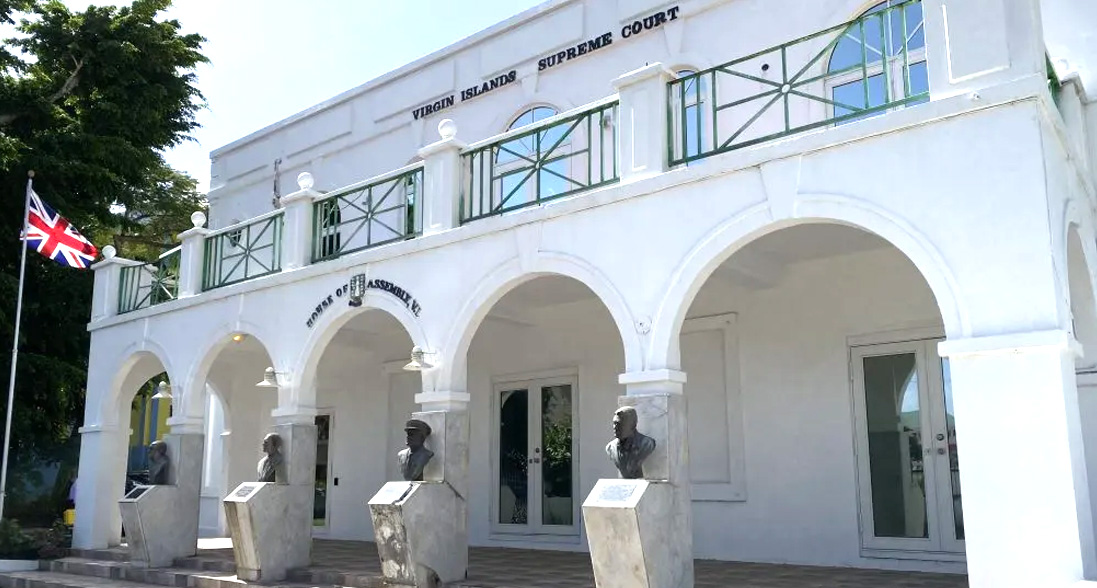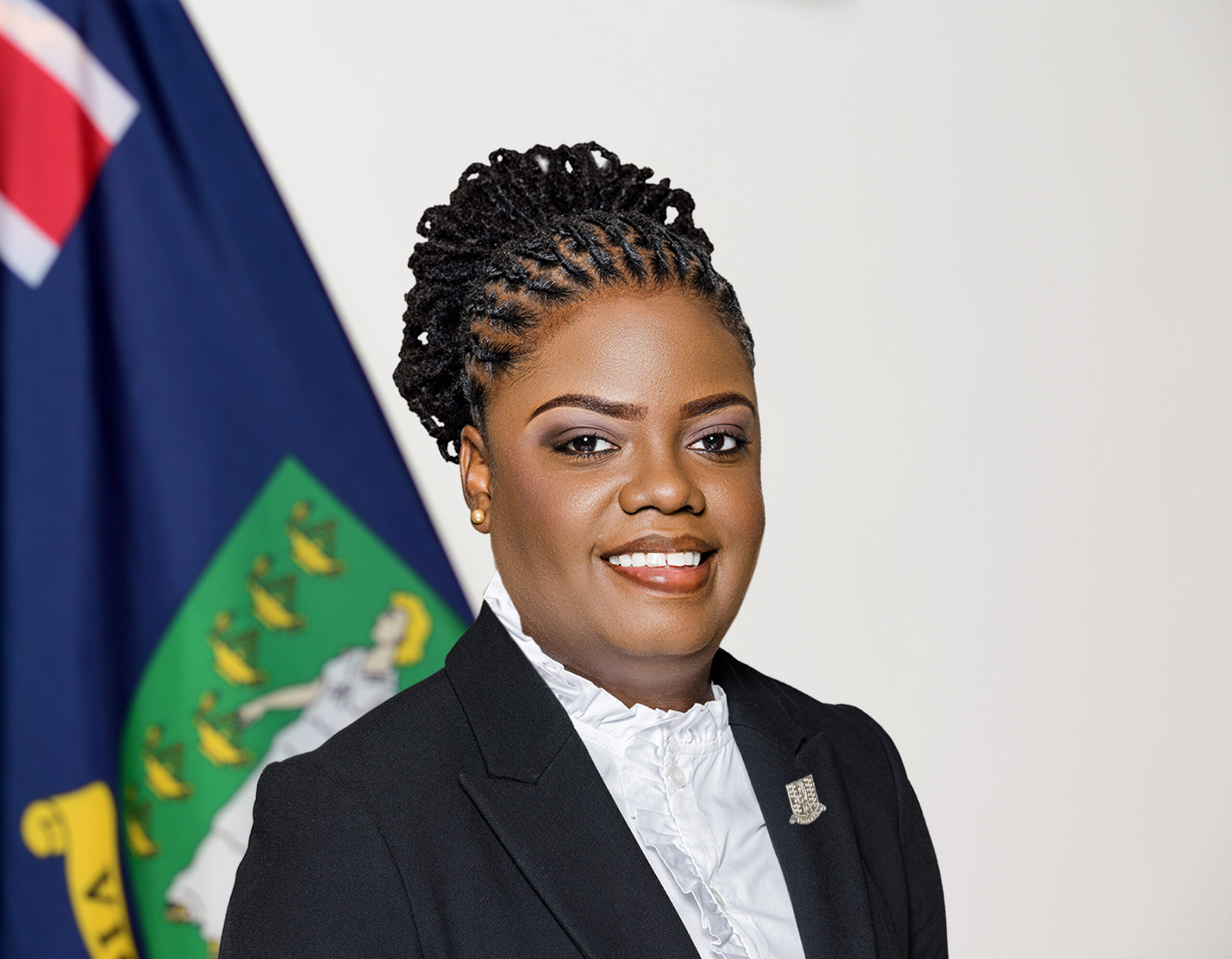

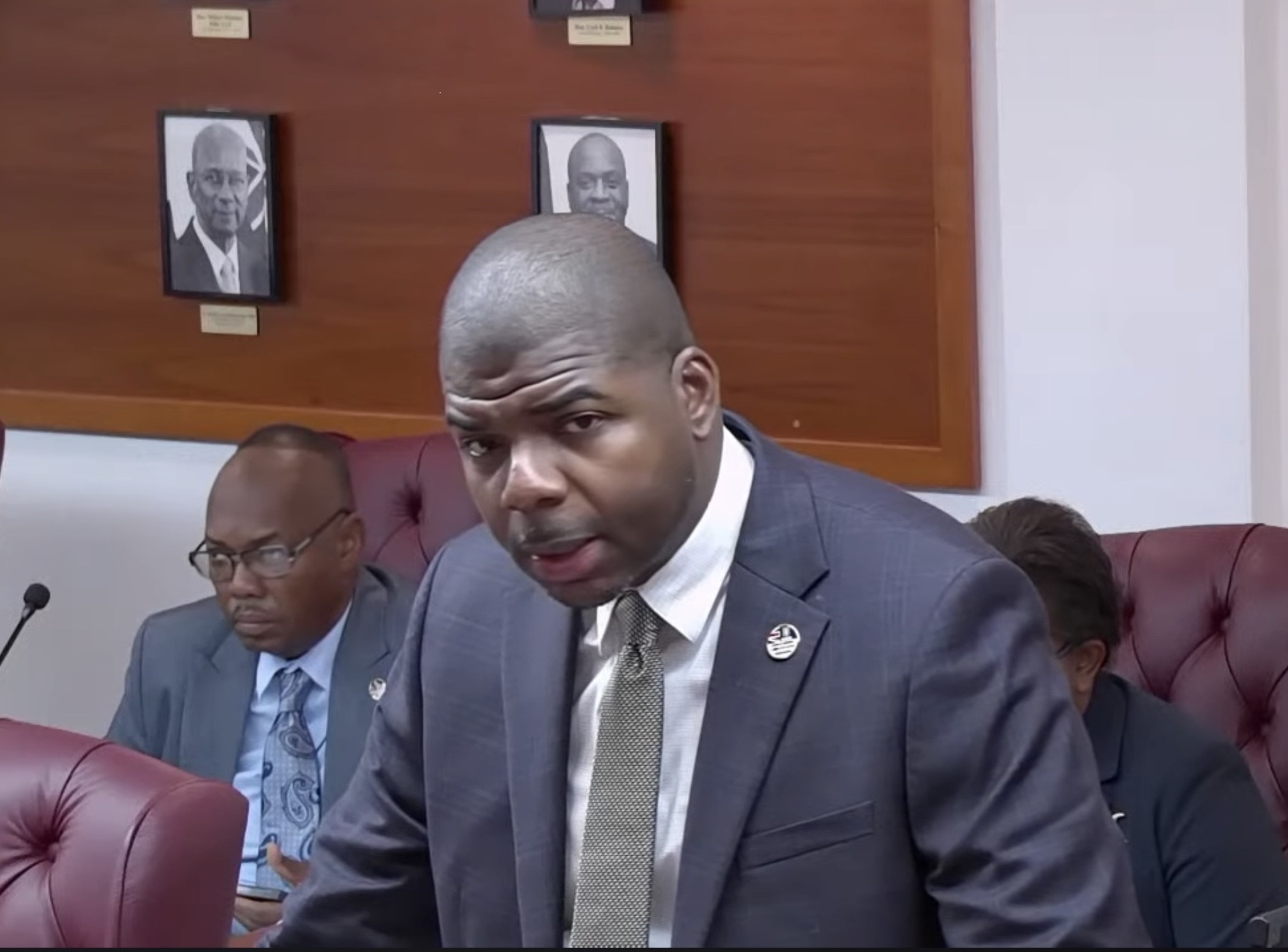
A bill proposing wide-ranging changes to the Virgin Islands’ electoral system was introduced in the House of Assembly today, Tuesday, April 22, by Premier and Minister of Finance, Honourable Dr. Natalio D. Wheatley.
The proposed Elections (Amendment) Act, 2026, is based on consultations with stakeholders and recommendations from observer missions, as well as input from the Deputy Governor’s Office and the Office of the Supervisor of Elections.
“This is the Elections Amendment Act 2026, following extensive deliberations with a number of entities, including a committee of the House who looked at recommendations of various observer missions that came to The Virgin Islands,” Hon. Wheatley said during the continuation of the Second Sitting of the Third Session of the Fifth House of Assembly.
He said the bill also builds on work undertaken by the previous House of Assembly. “Also, the last House of Assembly looked at a number of recommendations that were forwarded through the Deputy Governor’s Office and the Office of the Supervisor of Elections,” he said.
Hon. Wheatley said the proposed amendments were developed through discussions on changes to the Elections Act. “We had very extensive discussions about amendments to the Elections Act, and of course, those recommendations were used to make this Amendment Act. This received its first reading some time ago, and now we are here to debate this Elections Act, so that it can therefore become law,” he said.
The bill introduces several reforms to the electoral framework, including expanded access to voting through mobile and curbside options for individuals with physical limitations and the formal use of assistive technologies for voters with disabilities.
It also provides for the establishment of a Department of Elections and an Elections Advisory Committee to oversee voter registration and election administration.
Additional provisions include a formal Code of Conduct for political parties and candidates, along with new rules governing campaign donations and political financing.
The legislation also proposes restrictions on the announcement of major public grants or projects shortly before an election, aimed at addressing potential incumbency advantages.
The bill has already received its first reading and is expected to be referred to a committee when the House of Assembly resumes on April 30, 2026, at 10 a.m., where it will undergo further review as part of the legislative process.