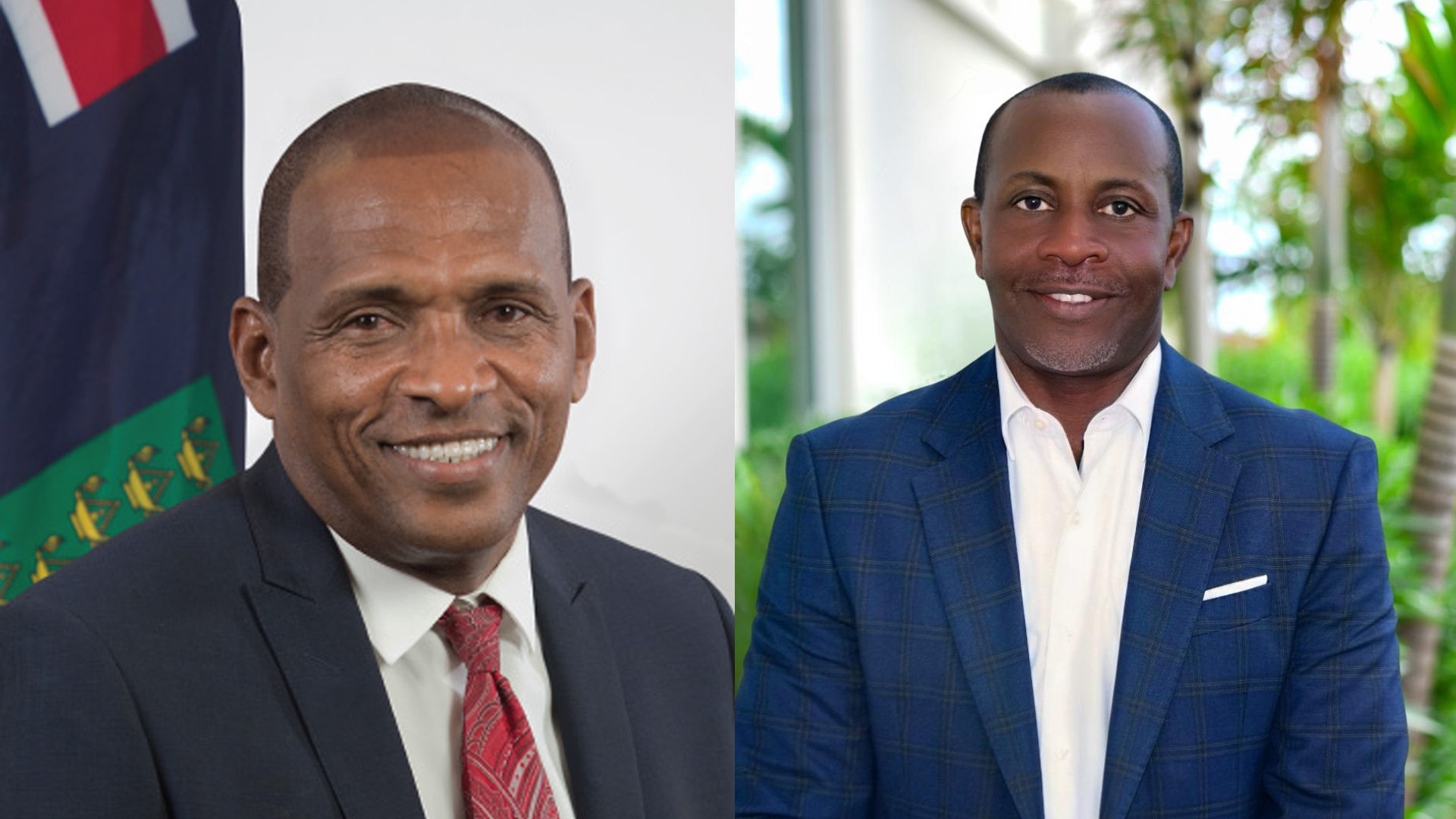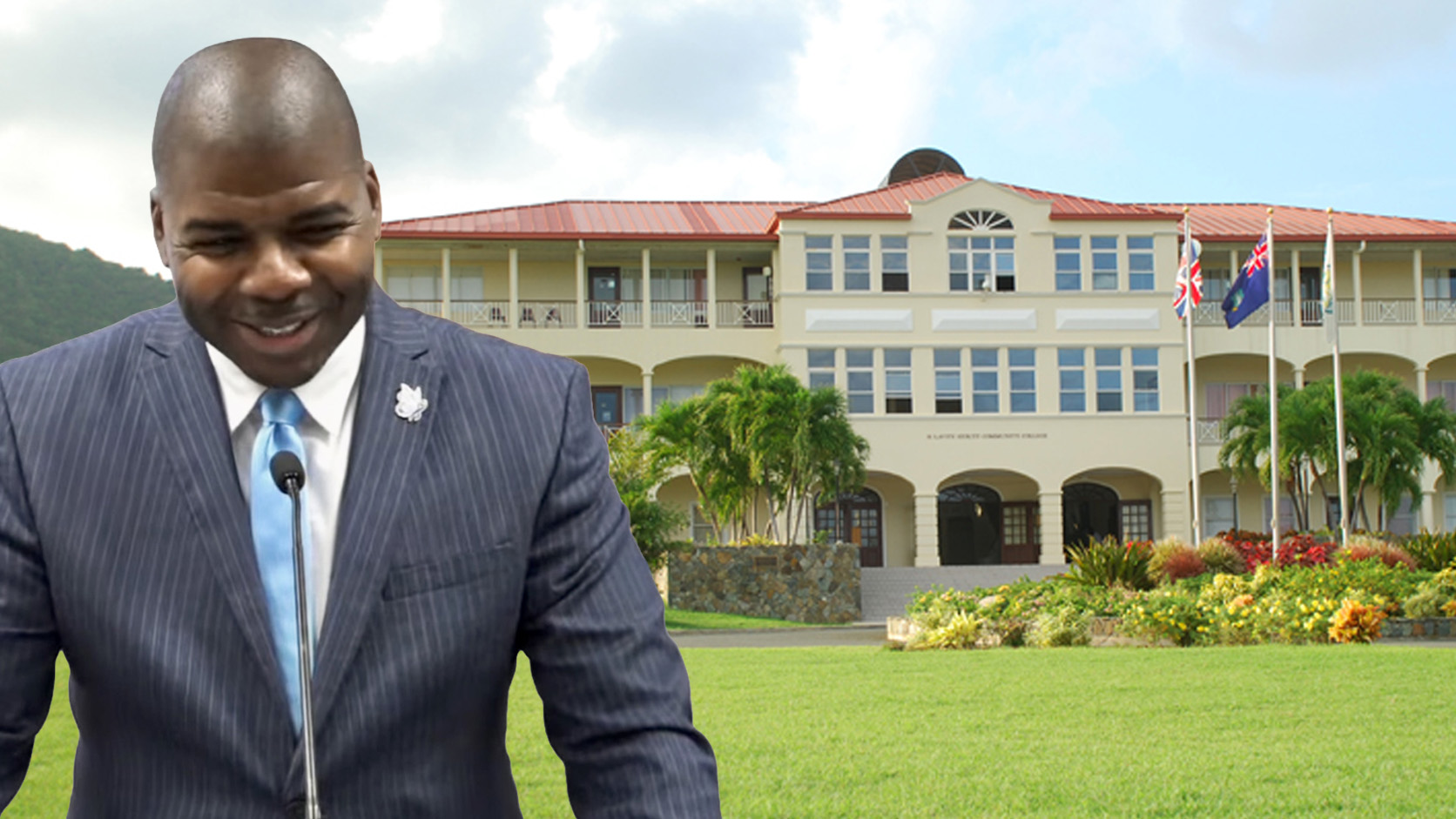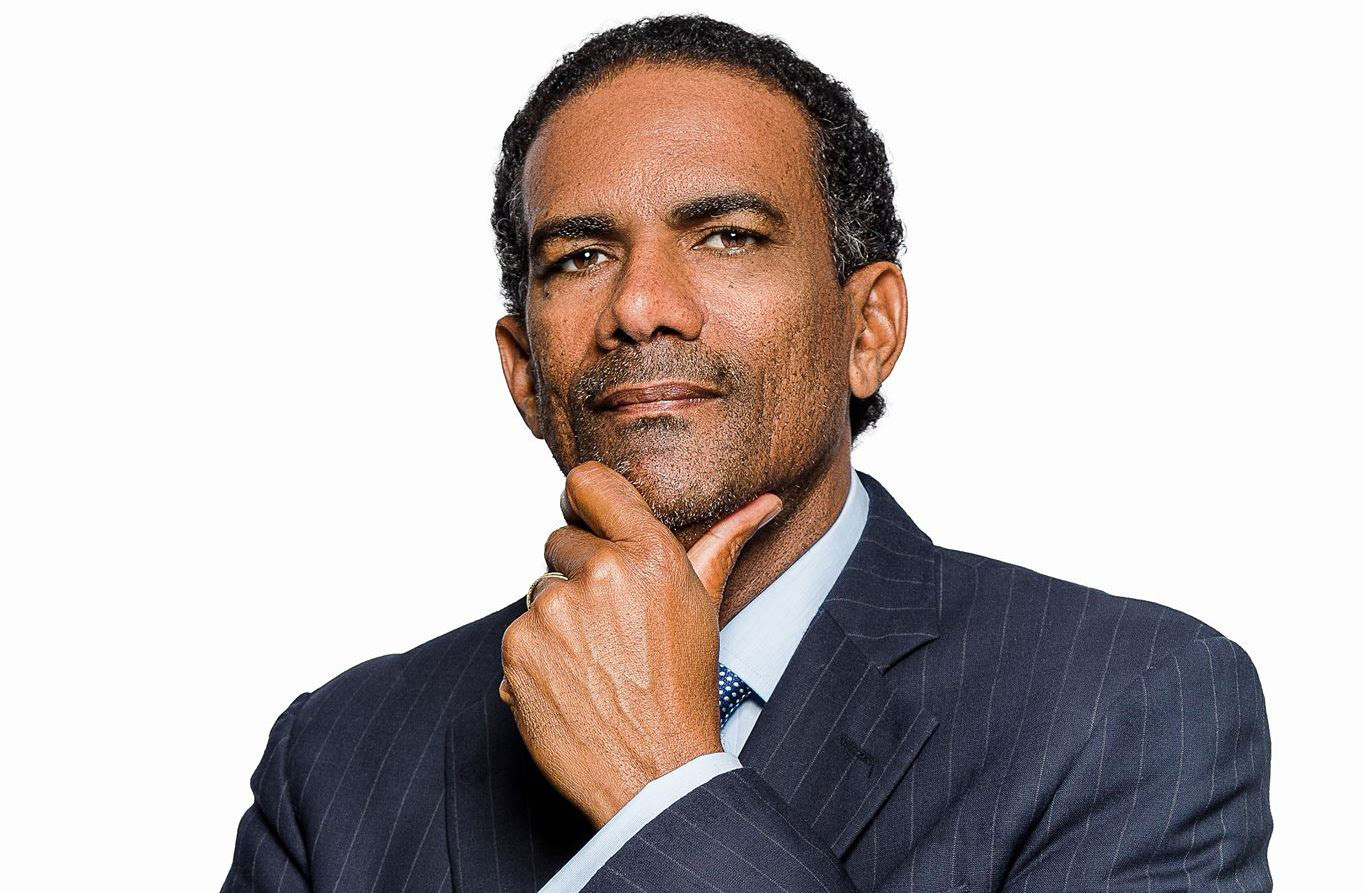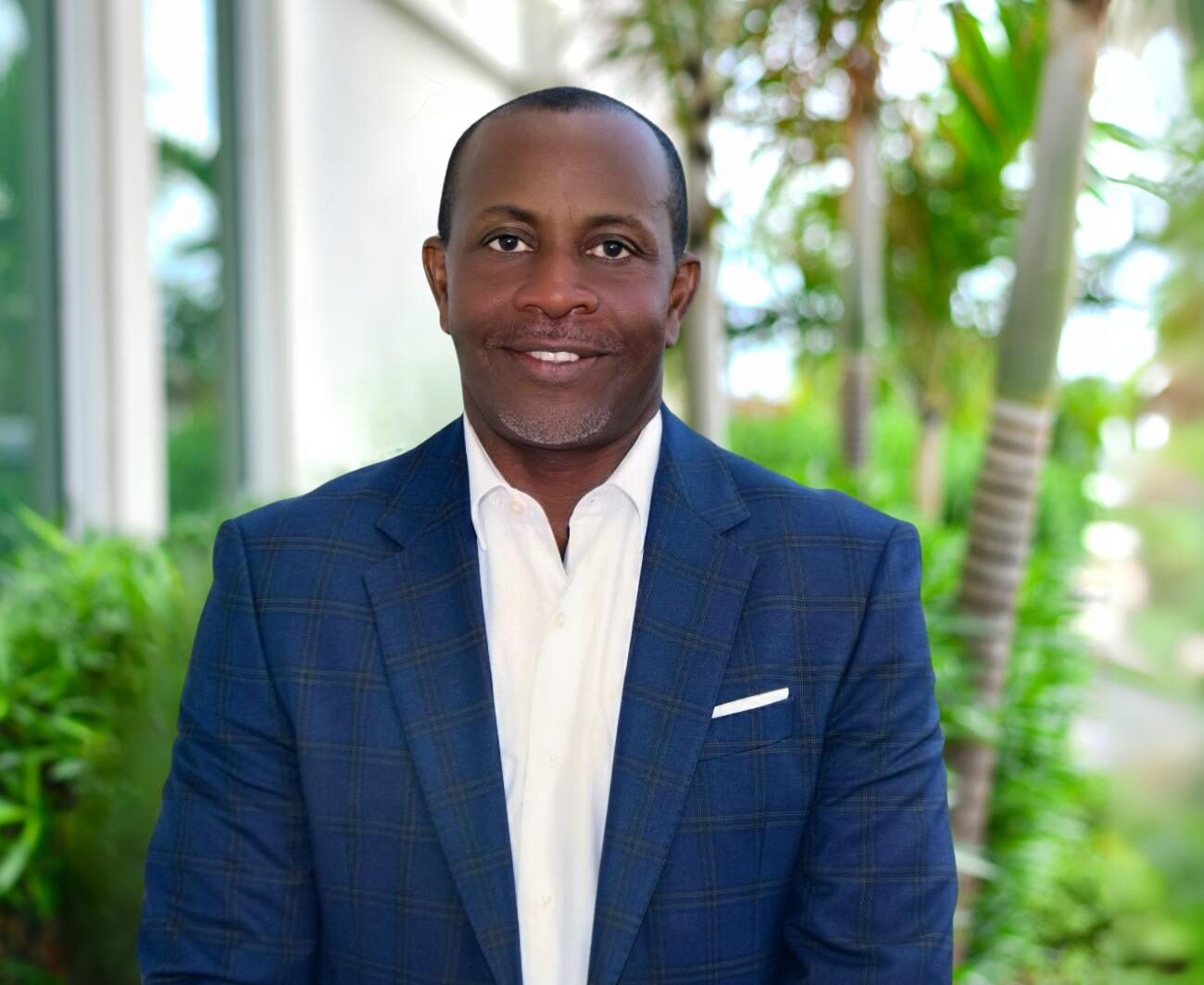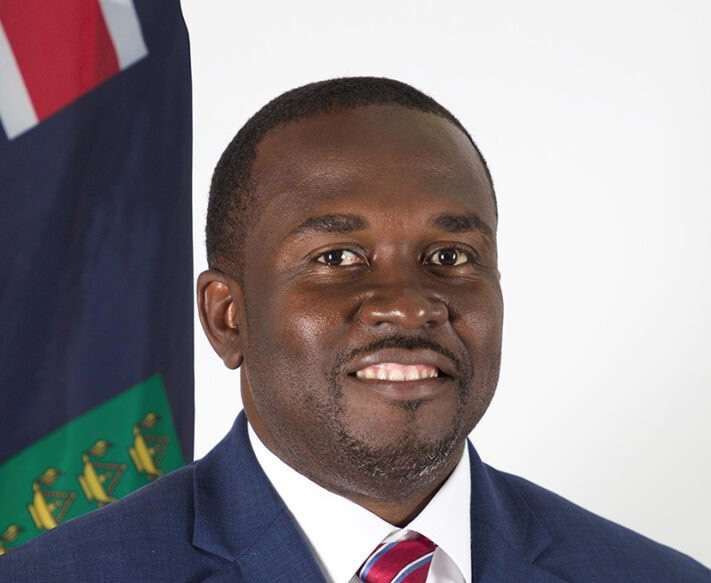

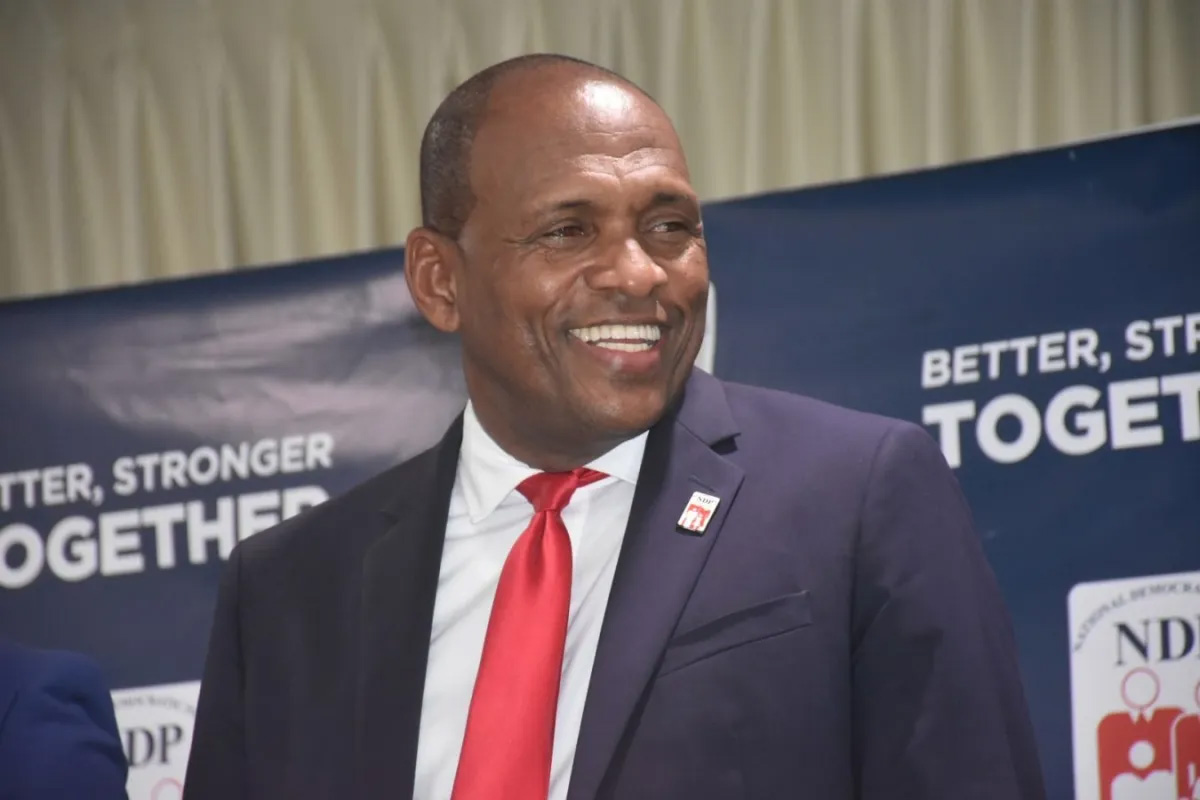
Former government minister Mark Vanterpool is positioning himself for a return to frontline politics as the National Democratic Party (NDP) prepares for internal elections and a broader reorganisation ahead of the next general election.
Interim President of the NDP, Bishop John Ivan Cline, confirmed the development on April 9 during an interview with Cathy Richards of JTV.
“Mark is back, and he is vying for a seat,” Cline said. “It is my understanding that he also is vying for the leadership of the party in terms of chairmanship, but until I see the nomination form, I cannot confirm that.”
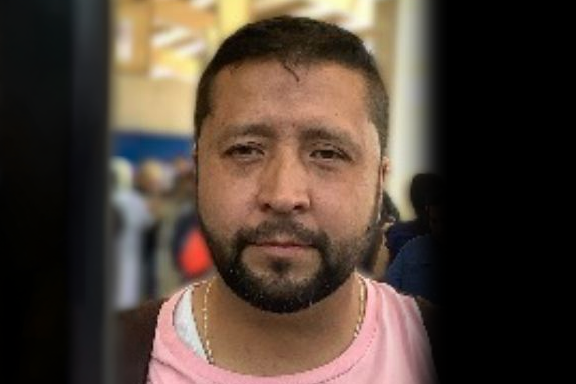
There have been weeks of speculation about Mark Vanterpool’s possible return to frontline politics, but this marks the first public statement from within the NDP that he is seeking to re-enter the political arena.
Vanterpool, who previously held senior ministerial roles including Minister of Communications and Works, is seeking to re-enter the political arena as an at-large candidate.
However, his candidacy has not yet been formally confirmed.
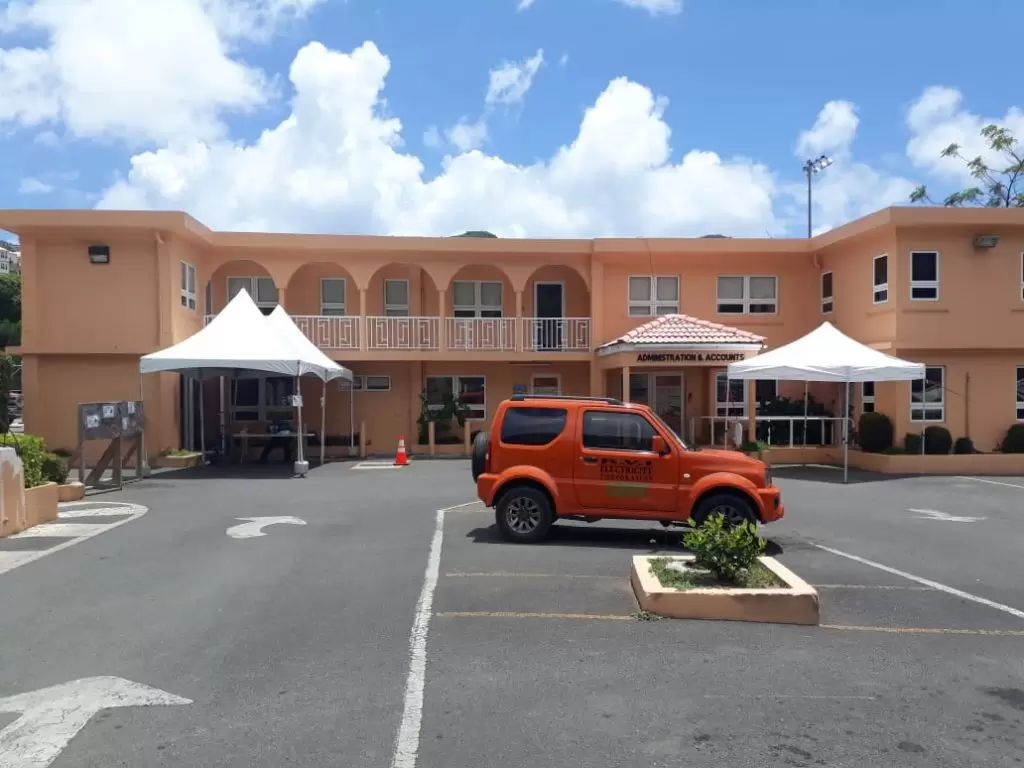
Adding to indications of his political return, a fully wrapped vehicle bearing National Democratic Party (NDP) branding and promoting his at-large candidacy has been seen driving around Tortola.

Cline said indications suggest Vanterpool may also pursue a leadership role within the party. His potential return comes as the political landscape remains shaped by the last general election, in which the Virgin Islands Party (VIP), led by Dr Natalio Wheatley, won six of the 13 seats in the House of Assembly. NDP at-large winner Lorna Smith later crossed the floor, giving the VIP the additional support needed to form a coalition government.
Vanterpool retired from politics in March 2019, eight days after winning the Fourth District seat in the general election. He entered politics in 1999 and won the district five times.
In a public statement issued on March 5, 2019, Vanterpool informed the Clerk of the House of Assembly that he would not take his seat and apologised to constituents for the unexpected decision.
His resignation shocked both supporters and political opponents, particularly given his long tenure in public office, which began in 1999 and included multiple terms as Minister for Communications and Works.
Days later, however, Vanterpool reversed course. On March 14, 2019, he withdrew his resignation, arguing that it was invalid because it had not been properly addressed to the Speaker of the House as required under the Constitution.
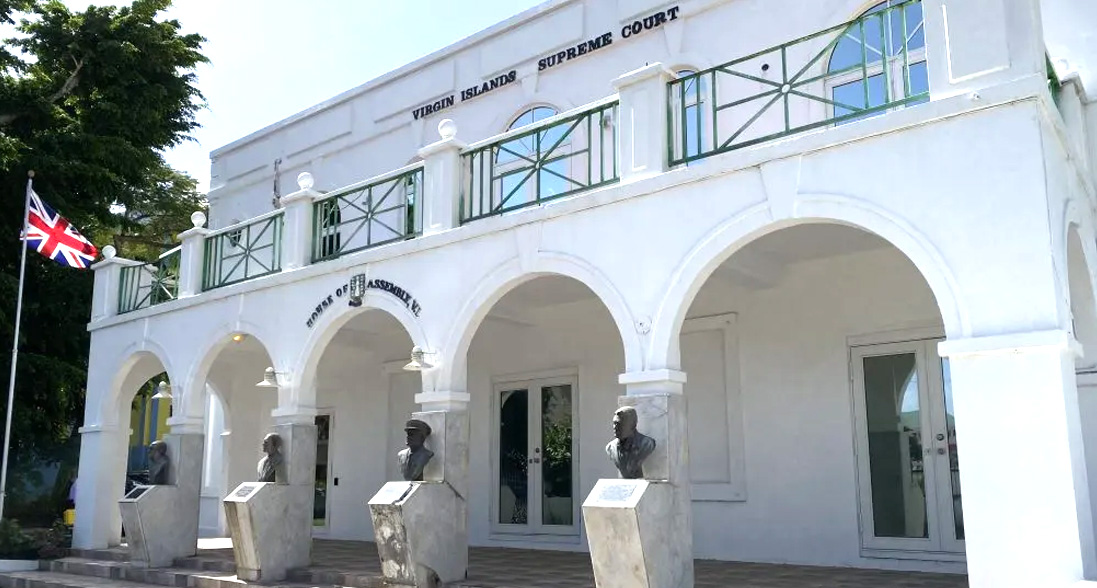
The reversal triggered a constitutional and legal dispute over whether his seat was vacant. The Speaker of the House maintained that the resignation stood, while Vanterpool challenged that position in court.
On March 26, 2019, then Governor Augustus Jaspert said the resignation was legally invalid, citing advice that an elected member could not resign before being sworn in.
The matter ultimately proceeded to the courts, where Vanterpool prevailed, securing his right to take up the seat despite the earlier resignation attempt.
The businessman’s anticipated return follows a period of political fragmentation within the opposition, including the formation and subsequent dissolution of the Progressive Virgin Islands Movement (PVIM), which had drawn key figures away from the NDP. The recent reunification of factions within the party has reopened space for experienced political figures to re-emerge.
The last time the NDP won a general election was in 2015 under the leadership of Dr Orlando Smith, who retired from politics in 2018.
Cline suggested that Vanterpool remains a significant figure within the political landscape, citing his prior experience in government.

“He is one of the persons that would be considered strong during his time as a minister,” Klein said, noting that his re-entry could influence both leadership contests and candidate selection.
Under the NDP’s internal process, prospective at-large candidates must first be approved by a territorial committee, which selects individuals it believes can secure public support in a general election. Klein said the process is competitive and limited in scope.
“There are more persons than available positions,” he said. “Whether Mark comes out in the mix is yet to be seen, because it is the committee that makes that decision.”
Vanterpool’s possible bid for party leadership introduces an additional layer of competition within the NDP, where multiple candidates are expected to contest key positions. Party rules prohibit individuals from running for more than one executive role, meaning any leadership bid would require a focused campaign within the party’s internal structure.
While Cline stopped short of confirming Vanterpool’s final intentions, he acknowledged that all indications point to a renewed political role.
“From all indication, that is probably the case,” Cline said.
The outcome of the upcoming convention and candidate selection process is expected to clarify Vanterpool’s position within the party and his prospects for returning to elected office.
ADVERTISEMENT: