
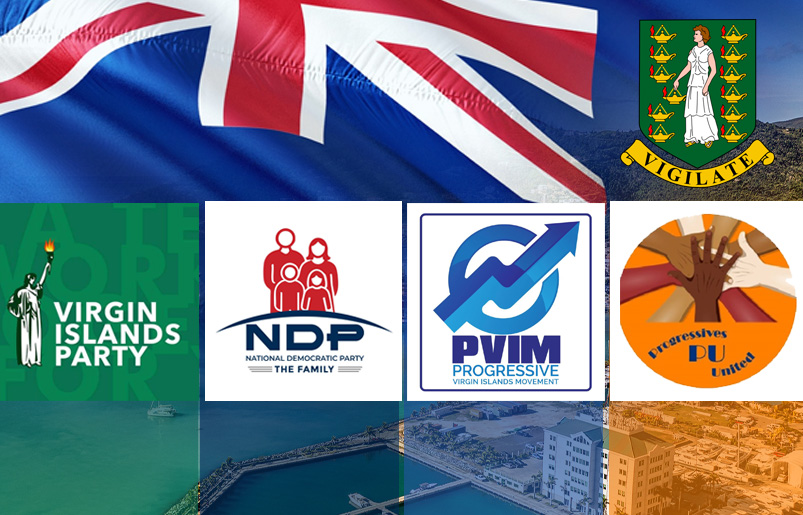
Discussions about the possible formation of a new political party have surfaced in the Virgin Islands, adding to a political landscape already shaped by shifting alliances among the National Democratic Party (NDP), the Virgin Islands Party (VIP) and smaller political movements.
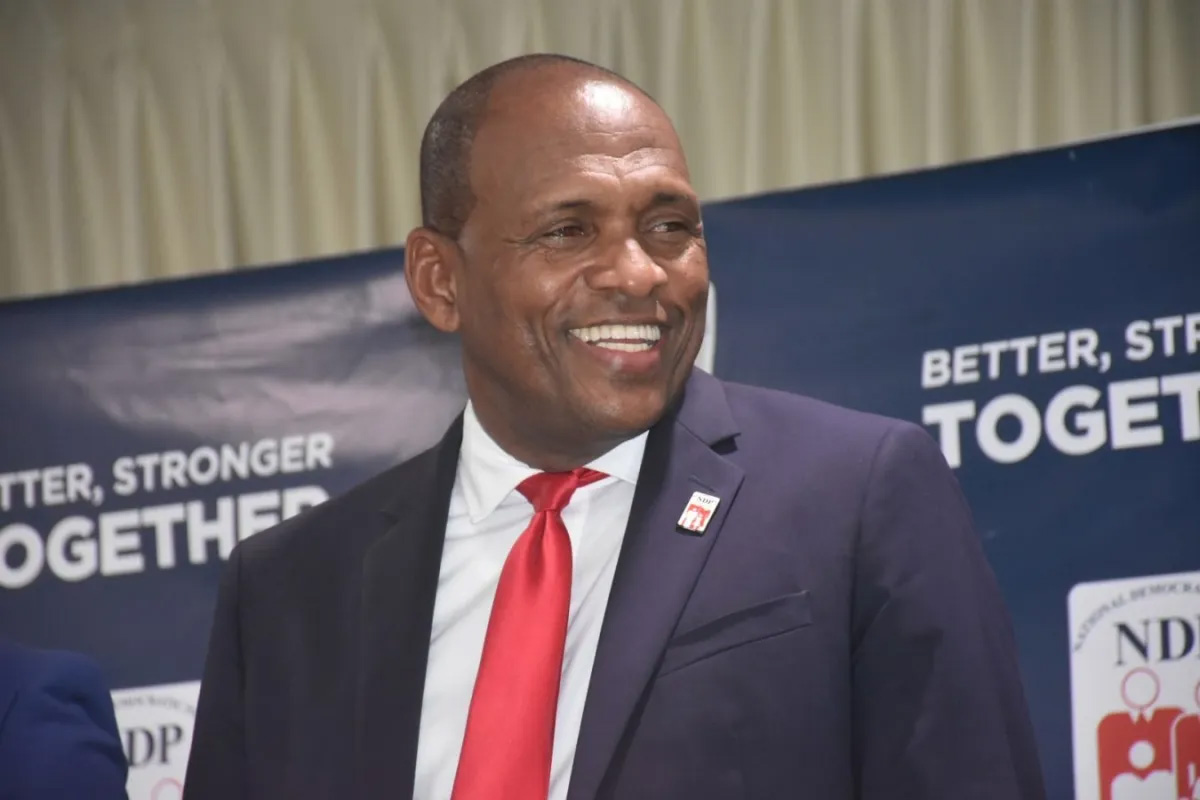
Bishop John I. Cline, interim president of the NDP, said he is aware of conversations surrounding the emergence of a new political group but noted that details remain unclear and no formal structure has been confirmed.
“I heard that there is something in the making,” Bishop Cline said during an interview with Cathy Richards of JTV. “Whether they’re making traction or not, I have no idea.”
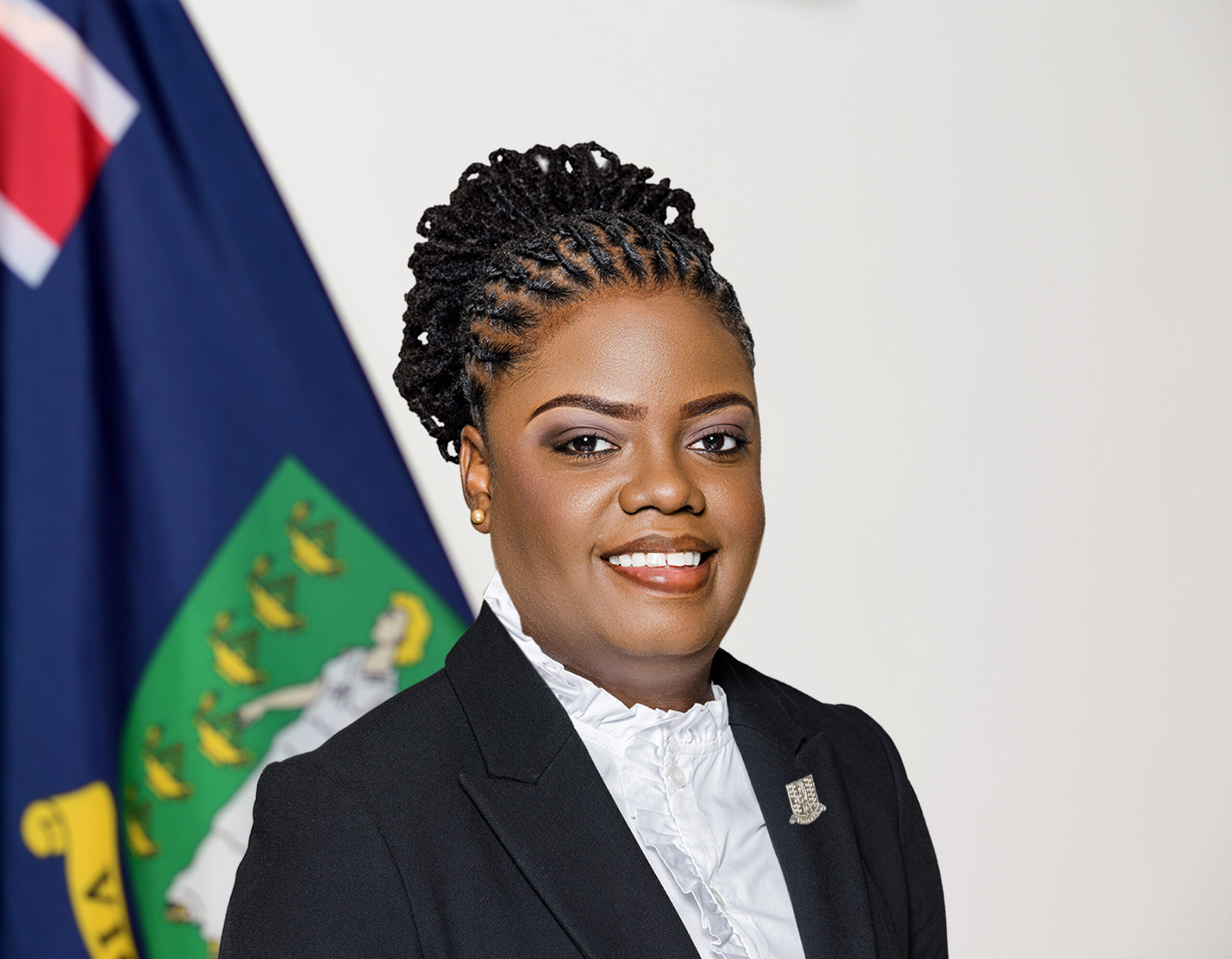
The development comes at a time when the territory’s political system continues to be dominated by two major parties — the Virgin Islands Party, led by Premier Natalio Wheatley, and the National Democratic Party, currently the main opposition.
Historically, attempts to establish alternative political movements in the territory have faced challenges in securing long-term electoral success. The system has largely favored the two dominant parties, with smaller or newer groups struggling to maintain representation in the House of Assembly.
Recent political developments have reflected this pattern. The Progressive Virgin Islands Movement (PVIM), formed in 2018 after a split from the NDP, emerged as a third force and secured seats in the 2023 general election before entering coalition discussions with other parties.
The 2023 election resulted in a hung parliament, with the VIP securing six seats, while the NDP and PVIM each won three seats, prompting negotiations that ultimately led to a coalition arrangement to form the government.
Political realignment has remained a feature of the territory’s governance. Notably, Hon. Lorna Smith, who contested the 2023 election with the NDP, joined the VIP shortly after the election to help form the government, underscoring the fluid nature of party affiliation.
Bishop Cline said such developments illustrate the challenges faced by independent or emerging political groups.
“Independent or third-party efforts historically face challenges without strong organizational backing,” he said.
He added that while new political initiatives may arise, the structure of the territory’s political system makes it difficult for such groups to compete effectively without established support networks.
The emergence of another political entity, if formalized, would add to ongoing efforts by opposition figures to reorganize ahead of the next general election, as parties continue to reposition in response to voter sentiment and recent electoral outcomes.
ADVERTISEMENT: