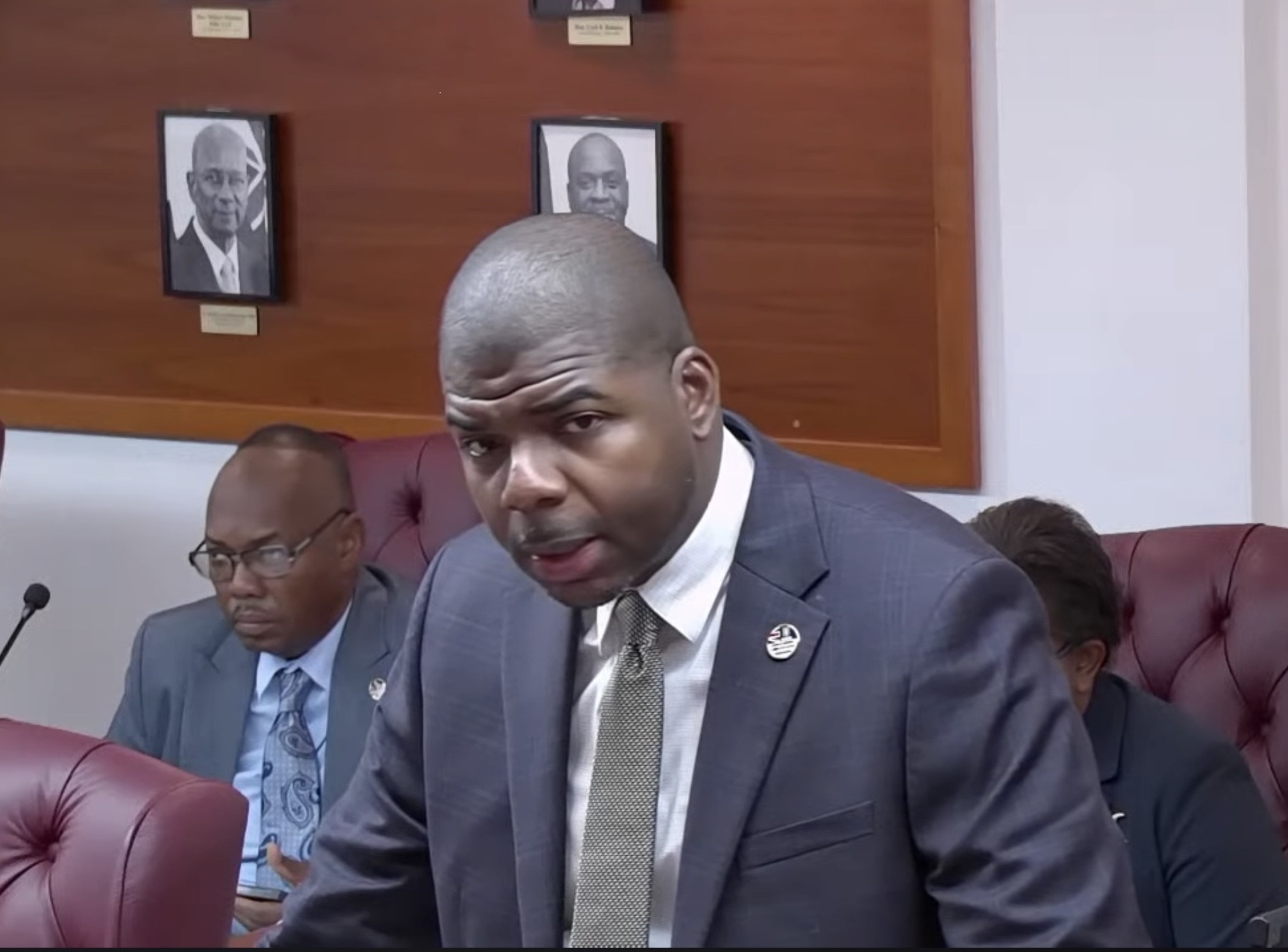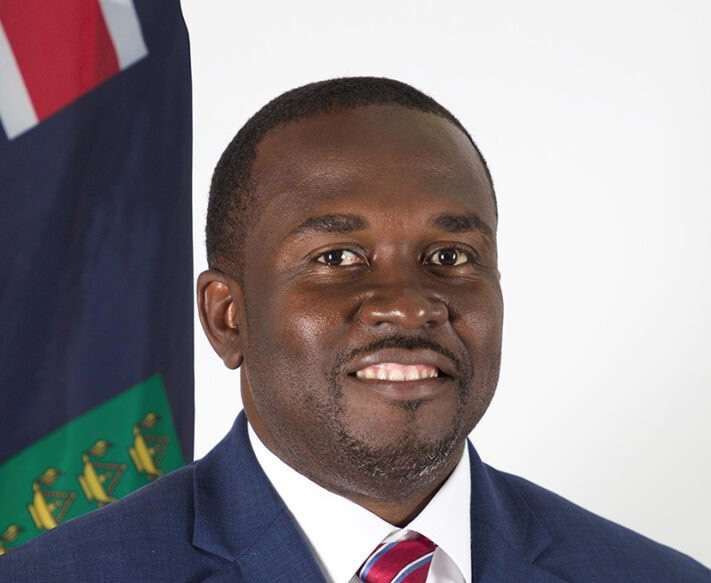


Premier Hon. Dr. Natalio D. Wheatley has announced a series of temporary economic relief measures as rising global fuel prices and supply chain disruptions linked to conflict in the Middle East drive up the cost of living in the Virgin Islands.
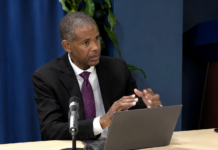
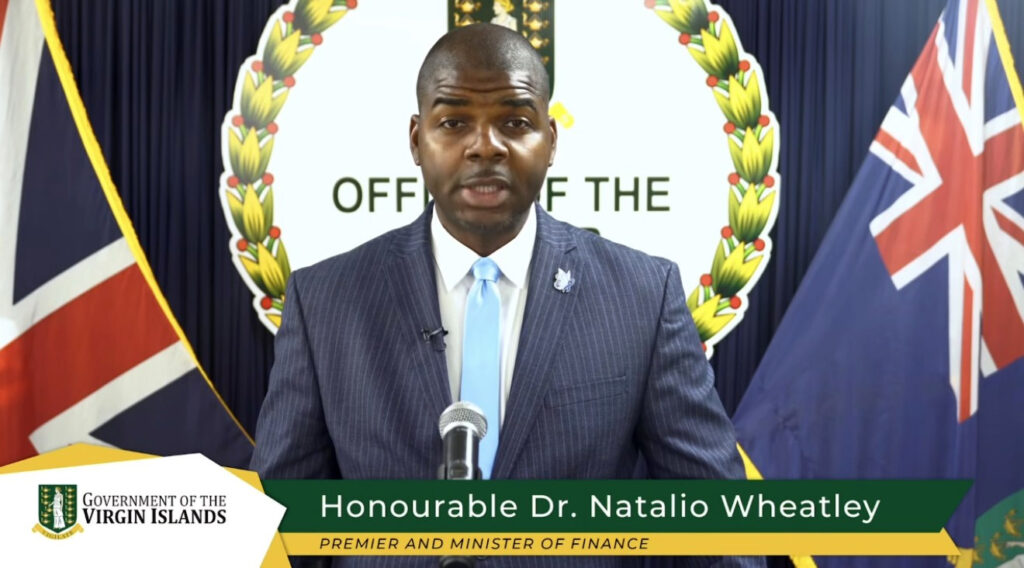
The measures were outlined during a national address on Thursday, April 16, at 9 a.m., where the Premier detailed the Government’s response to what he described as escalating global pressures affecting the Territory’s economy.
Wheatley said increasing fuel prices, freight costs and the price of essential goods are already affecting households and businesses across the Virgin Islands. The measures, he said, are intended to stabilize prices, reduce financial pressure and protect vulnerable residents.
“Although we cannot control these external shocks, their repercussions are felt by every household and business in our Territory,” Wheatley said.
Global energy markets have experienced volatility in recent months, particularly due to geopolitical tensions affecting key shipping routes such as the Strait of Hormuz, a critical corridor for global oil supply. These disruptions have contributed to higher fuel and transportation costs worldwide, with small island economies like the Virgin Islands particularly vulnerable due to their reliance on imports.
In response, the Government established a technical working group shortly after the escalation of the conflict in late February. The group, led by the Ministry of Financial Services, Economic Development and Digital Transformation, includes representatives from the Ministry of Finance, Ministry of Tourism, HM Customs, the BVI Ports Authority, the BVI Electricity Corporation and the Central Statistical Office.
According to Wheatley, the group has been tasked with monitoring developments, engaging stakeholders and recommending policy responses to mitigate the impact of rising costs.
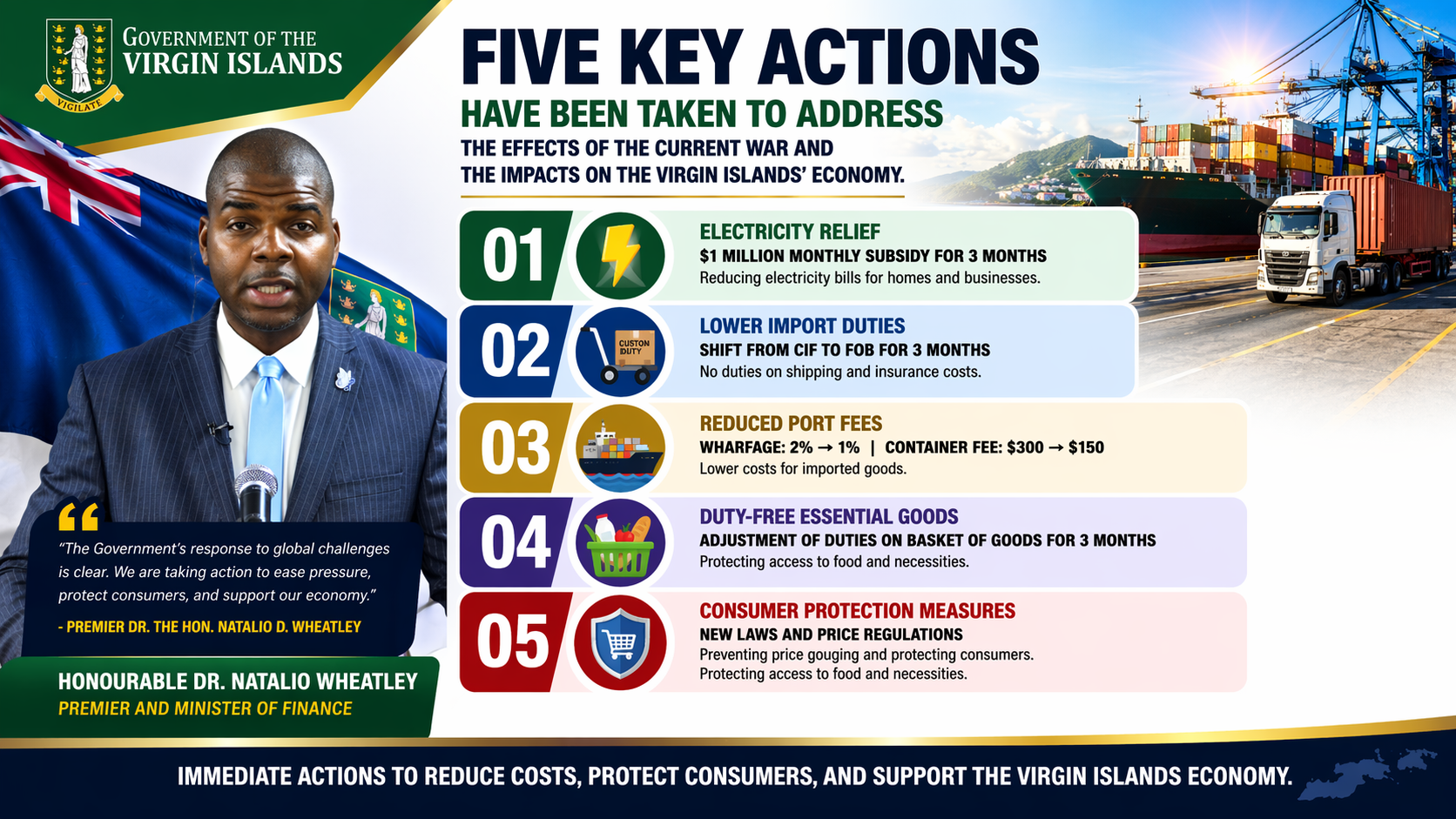
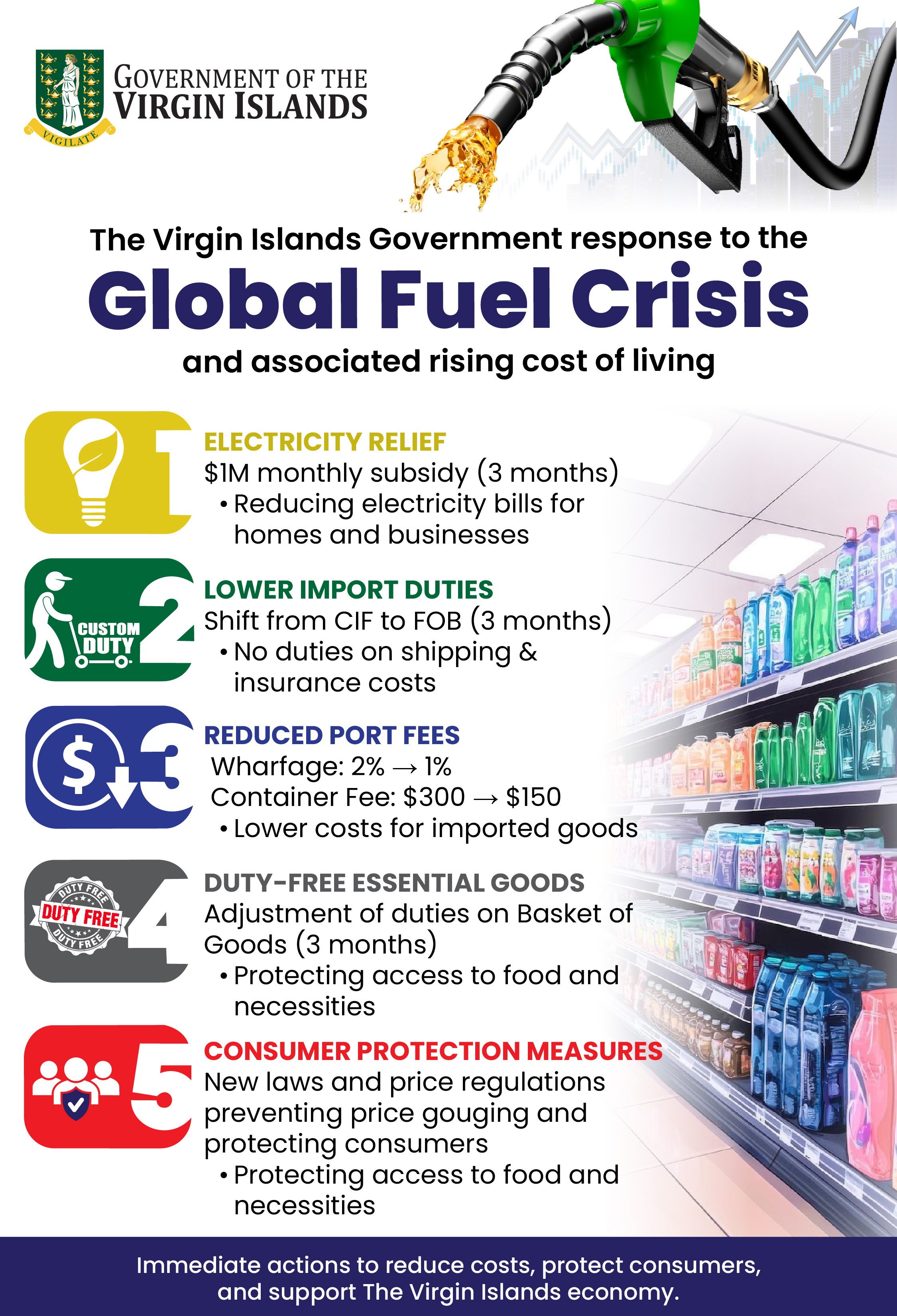
Among the measures announced is a $1 million monthly subsidy for electricity over a three-month period. The Premier said that without intervention, electricity bills could have increased by as much as 50 percent on average.
“This step is designed to lower electricity costs for both households and businesses right away,” he said.
The Government will also adjust how import duties are calculated by shifting from a Cost, Insurance and Freight (CIF) model to a Free-on-Board (FOB) system for three months beginning in May. Under the revised approach, duties will apply only to the value of goods, excluding shipping and insurance costs.
Officials said the change is expected to reduce the landed cost of imported goods and help stabilize prices, particularly for essential items.
Additional measures include a reduction in port-related fees, with wharfage on incoming cargo lowered from 2 percent to 1 percent and container charges reduced from $300 to $150 for the same three-month period. The Government said these steps are intended to ease pressure on businesses and limit the extent to which increased costs are passed on to consumers.
Wheatley also announced the introduction of a “basket of goods” initiative, which will provide further duty reductions on essential items to ensure continued access to basic necessities, particularly for vulnerable groups.
To strengthen consumer protections, the Government plans to introduce amendments to the Consumer Protection Act and implement regulations to address price gouging and other anti-consumer practices.
The Premier said the Government has engaged with the business community, including a recent meeting to gather feedback and secure cooperation in implementing the measures.
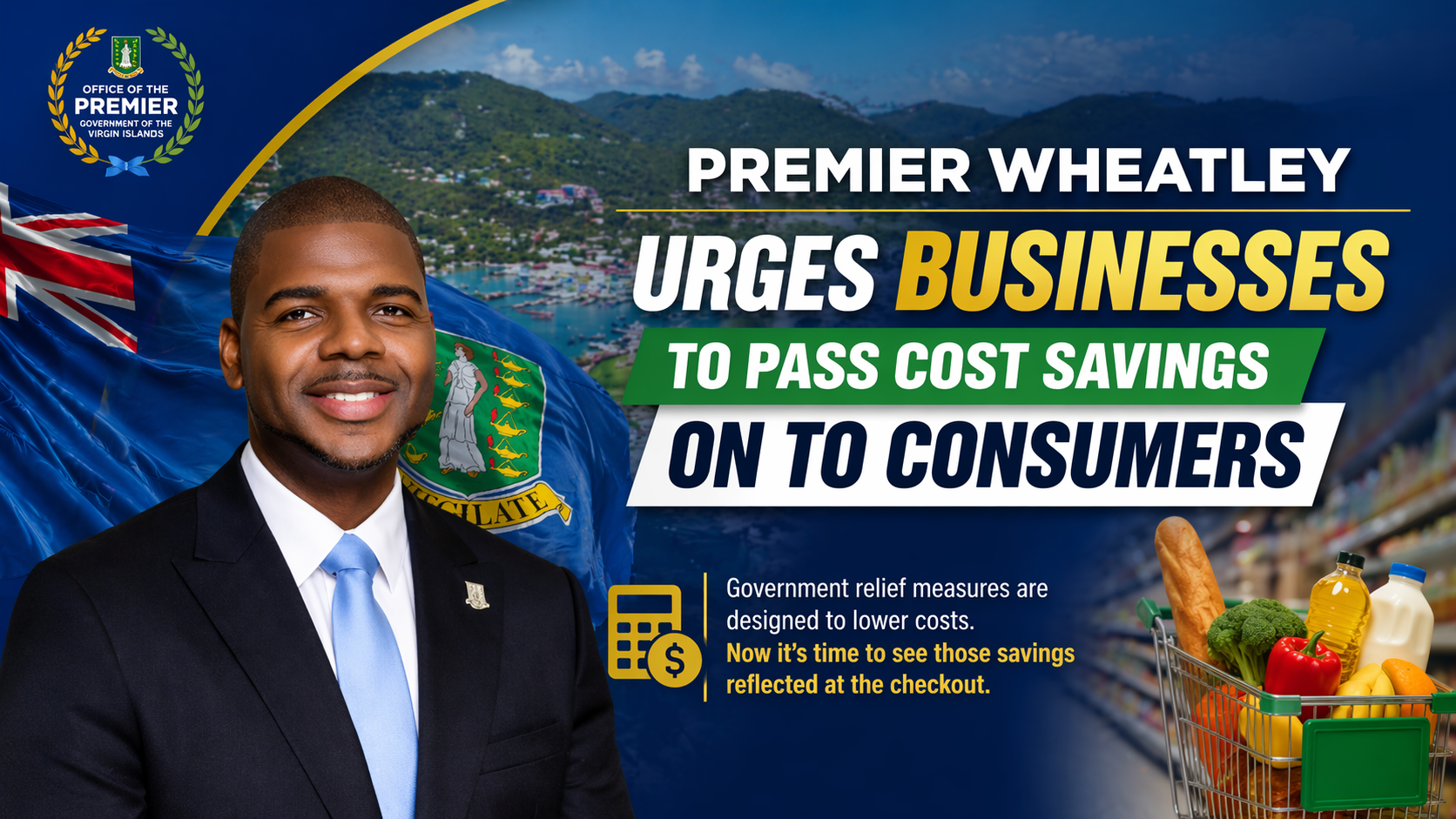
“We encourage businesses to pass on these savings to consumers,” he said.
In addition to immediate interventions, the Government is advancing longer-term strategies to improve food security and reduce reliance on imports. These include a proposed memorandum of understanding with the Dominican Republic, increased support for local agriculture and fisheries, and efforts to expand domestic food production capacity.
The measures remain subject to Cabinet approval and legislative processes, with implementation expected to begin in May. The Government also indicated that supplementary budget adjustments may be required.
“We will keep monitoring international developments and adjust our plans as needed,” Wheatley said.
ADVERTISEMENT: